· 9 min read
Can Dogs Eat Tuna Salad? A Pet Parent’s Guide to Safe Snacking
Picture this: You’re sitting down to lunch, savoring a creamy tuna salad sandwich. Your dog trots over, tail thumping, nose twitching at the scent. Those puppy eyes lock onto yours, and suddenly, you’re asking the question: Can dogs eat tuna salad?
It’s a common scenario for pet parents—we love sharing our meals, but we also want to keep our furry friends safe. Tuna salad is a staple in many households, but is it a safe treat for dogs? Let’s break down the facts, from the benefits of tuna to the hidden risks in the “salad” mix, and how to make smart choices for your pup.
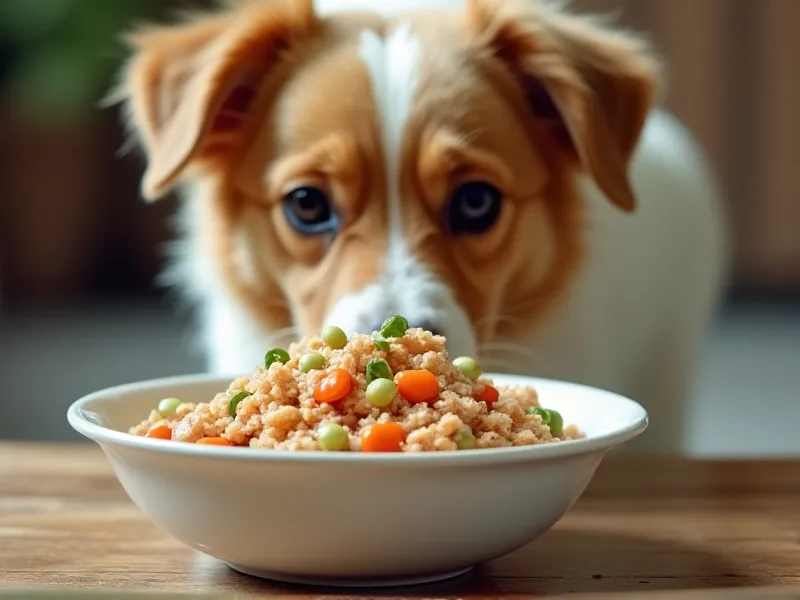
Table of Contents
- Can Dogs Eat Tuna Salad? The Short Answer
- The Benefits of Tuna for Dogs (Yes, Tuna Itself Has Perks!)
- The Risks of Tuna Salad: Why the “Salad” Part Matters
- How Much Tuna Salad Is Safe for Dogs? Guidelines to Follow
- Healthier Alternatives to Tuna Salad for Dogs
- Frequently Asked Questions (FAQ) About Dogs and Tuna Salad
- Final Thoughts: Moderation and Consulting Your Vet
- References
1. Can Dogs Eat Tuna Salad? The Short Answer
No, dogs should not eat tuna salad regularly, and only in very small, carefully prepared amounts on rare occasions.
Here’s why: Tuna itself is not toxic to dogs—in fact, plain, cooked tuna can be a healthy treat. But tuna salad? That’s a different story. Most tuna salads include ingredients like onions, garlic, mayonnaise, salt, or celery, which can be harmful (or even toxic) to dogs. Even “simple” tuna salad often has hidden risks, making it a poor choice for regular snacking.
Think of it this way: Tuna is the star, but the “salad” is the sidekick that might spoil the party. Let’s dig deeper into the good, the bad, and the ugly of tuna salad for dogs.
2. The Benefits of Tuna for Dogs (Yes, Tuna Itself Has Perks!)
Before we panic about the salad, let’s talk about tuna alone. Tuna is a nutrient-dense fish that, when prepared safely, can offer some health benefits to dogs. Here’s why it’s not all bad:
Protein: A Building Block for Strong Muscles
Tuna is packed with high-quality protein, which is essential for dogs’ muscle growth, repair, and overall energy. Protein also supports healthy skin, coat, and immune function—key for active pups!
Omega-3 Fatty Acids: For a Shiny Coat and Brain Health
Tuna is rich in omega-3 fatty acids (like EPA and DHA), which are famous for promoting healthy skin and a glossy coat. They also support brain function (great for puppies and senior dogs) and may reduce inflammation, helping with conditions like arthritis.
Selenium: A Powerful Antioxidant
Selenium is a mineral found in tuna that acts as an antioxidant, protecting cells from damage and supporting thyroid health. A healthy thyroid helps regulate your dog’s metabolism, energy levels, and mood.
B Vitamins: Energy and Vitality
Tuna contains B vitamins (B12, niacin, riboflavin), which help convert food into energy, support nerve function, and keep your dog’s coat and skin in top shape.
3. The Risks of Tuna Salad: Why the “Salad” Part Matters
Now, here’s the catch: Tuna salad isn’t just tuna. It’s tuna mixed with other ingredients—many of which are risky or even toxic to dogs. Let’s break down the most common culprits:
Onions and Garlic: Toxic to Dogs (Even in Small Amounts)
Onions, garlic, scallions, and chives are members of the Allium family, and they’re highly toxic to dogs. They contain compounds that damage red blood cells, leading to anemia (a condition where the body can’t carry enough oxygen). Symptoms include weakness, lethargy, pale gums, and even collapse.
Unfortunately, many tuna salads include onions or garlic for flavor. Even a tiny amount (like a sprinkle of onion powder) can harm small dogs. Always check the label or recipe—if onions or garlic are present, skip sharing!
Mayonnaise: High Fat = Pancreatitis Risk
Mayonnaise is the creamy base of most tuna salads, but it’s loaded with fat and calories. Dogs’ bodies aren’t designed to handle large amounts of fat, which can trigger pancreatitis—a painful, potentially life-threatening inflammation of the pancreas. Symptoms include vomiting, diarrhea, abdominal pain, and loss of appetite.
Even “light” mayo is high in fat compared to what dogs need. A spoonful might seem harmless, but over time (or in one big bite), it can add up to trouble.
Salt: Too Much Sodium = Kidney Strain
Many tuna salads are seasoned with salt, or they use canned tuna packed in saltwater (instead of water or oil). Dogs need very little sodium—excess salt can lead to dehydration, electrolyte imbalances, or even kidney damage. Symptoms of salt toxicity include excessive thirst, urination, vomiting, or seizures.
Celery: A Choking Hazard (or Worse)
Some tuna salads add celery for crunch. While celery itself isn’t toxic, its stringy texture can pose a choking hazard, especially for small dogs. If swallowed whole, it could also cause an intestinal blockage—expensive and dangerous to treat.
Other Add-Ins: Grapes, Raisins, or Pickles
Occasionally, tuna salad might include grapes, raisins, or pickles. Grapes and raisins are toxic to dogs (even a few can cause kidney failure), while pickles are high in salt and vinegar (irritating to the stomach). Always avoid these!
Bonus Risk: Mercury in Tuna
Even plain tuna has a hidden risk: mercury. Tuna (especially larger species like albacore) can accumulate mercury, a heavy metal that’s toxic in high doses. Dogs are smaller than humans, so they’re more sensitive to mercury buildup over time.
The good news? Canned light tuna (made from smaller fish like skipjack) has lower mercury levels than albacore (white tuna). But even light tuna shouldn’t be fed daily—more on portion control later!
4. How Much Tuna Salad Is Safe for Dogs? Guidelines to Follow
If your tuna salad is plain (no onions, garlic, mayo, salt, or celery), is it safe to share? Maybe a tiny bite. But let’s be real: Most tuna salads aren’t “plain.” So, here’s how to proceed:
Rule #1: Avoid Tuna Salad with Toxic Ingredients
If your tuna salad has onions, garlic, grapes, raisins, or pickles—don’t share it. Even a small amount could make your dog sick. When in doubt, skip it.
Rule #2: If It’s “Safe” (Plain Tuna + Minimal Mayo), Keep Portions Tiny
If you’ve made a super simple tuna salad (just tuna, a dollop of mayo, and no toxic add-ins), you might consider a tiny treat. But:
- Small dogs (under 20 lbs): 1–2 teaspoons, max.
- Medium dogs (20–50 lbs): 1–2 tablespoons, max.
- Large dogs (50+ lbs): 2–3 tablespoons, max.
This should be a once-in-a-blue-moon treat, not a regular snack.
Rule #3: Never Replace a Meal with Tuna Salad
Tuna salad isn’t nutritionally balanced for dogs. It lacks essential nutrients like calcium, fiber, and vitamins that dogs get from their regular food. Stick to their dog food for meals—tuna salad is just for fun!
5. Healthier Alternatives to Tuna Salad for Dogs
Instead of risking tuna salad, try these safer, nutrient-packed alternatives that let your dog enjoy the perks of tuna without the risks:
1. Plain, Cooked Tuna (No Additives)
The simplest option: Drain a can of canned light tuna in water (no salt, oil, or seasoning). Mash a small amount and mix it into your dog’s regular food, or serve it alone as a treat.
2. Tuna + Dog-Safe Veggies
Mix plain tuna with chopped, dog-friendly veggies like:
- Carrots (crunchy and full of vitamin A)
- Green beans (low-calorie and high in fiber)
- Cucumber (hydrating and mild)
- Sweet potato (cooked, for fiber and vitamins)
This adds crunch and nutrients without the mayo or onions!
3. Tuna and Rice
For a more filling treat, mix plain tuna with a spoonful of cooked, plain rice. Rice is gentle on the stomach and pairs well with tuna’s flavor.
4. Commercial Tuna-Flavored Dog Treats
Many dog treat brands make tuna-flavored snacks (like freeze-dried tuna bits or soft chews) that are formulated to be safe and balanced. Look for options with no added salt, preservatives, or toxic ingredients.
6. Frequently Asked Questions (FAQ) About Dogs and Tuna Salad
Q: Can dogs eat tuna salad with mayo?
A: Mayo is high in fat, which can cause pancreatitis in dogs. Even a small amount isn’t ideal. Skip the mayo-laden salad and opt for plain tuna instead.
Q: My dog ate a lot of tuna salad—what should I do?
A: If the salad had onions, garlic, grapes, or raisins, call your vet immediately—these can be life-threatening. If it was just tuna and mayo, watch for symptoms like vomiting, diarrhea, or lethargy. If symptoms appear, contact your vet.
Q: Is canned tuna in water or oil better for dogs?
A: Water is better! Oil (even olive oil) adds unnecessary fat, which can upset your dog’s stomach or lead to pancreatitis. Always drain the water first, too.
Q: Can puppies eat tuna salad?
A: Puppies have sensitive stomachs and developing organs, so they’re more at risk for food-related issues. It’s best to avoid tuna salad altogether—stick to puppy-safe treats instead.
Q: How often can I give my dog plain tuna?
A: Once a week, at most. Even plain tuna has mercury, so limit it to small portions (1–3 tablespoons, depending on size) and avoid daily feeding.
7. Final Thoughts: Moderation and Consulting Your Vet
At the end of the day, tuna salad is a human food, not a dog food. While plain tuna can be a healthy, occasional treat, the “salad” part (onions, mayo, salt, etc.) makes it risky.
When in doubt, ask yourself: Is this worth making my dog sick? For most tuna salads, the answer is no. Instead, opt for plain tuna mixed with dog-safe veggies, or commercial treats made for pups.
And remember: Every dog is different. If your dog has health issues (like kidney disease, pancreatitis, or allergies), even plain tuna might not be safe. Always check with your vet before introducing new foods.
Your dog’s health is worth the extra caution. So next time they beg for a bite of your tuna salad, give them a pat instead—and save the treat for something safer. They’ll wag their tail just as hard, we promise!
8. References
- American Society for the Prevention of Cruelty to Animals (ASPCA). “People Foods to Avoid Feeding Your Pets.” aspca.org
- PetMD. “Can Dogs Eat Tuna?” petmd.com
- American Kennel Club (AKC). “Can Dogs Eat Fish?” akc.org
- U.S. Food and Drug Administration (FDA). “Mercury in Fish: Advice for Pregnant Women and Parents.” fda.gov
- VCA Hospitals. “Onion Toxicity in Dogs.” vcahospitals.com