· 8 min read
Can Dogs Eat Tuna Fish in Oil? Benefits, Risks, and Safe Guidelines for Pet Parents
Picture this: You’re unwrapping a can of tuna, the salty-savory aroma filling the kitchen, when your dog trots over, nose twitching. Their big, hopeful eyes lock onto yours, and suddenly you’re wondering—is it okay to share a little tuna fish in oil with my pup?
Tuna is a pantry staple for many of us, but when it comes to our four-legged friends, not all human foods are created equal. As pet parents, we want to treat our dogs without accidentally harming them. So, can dogs eat tuna fish in oil? The short answer is… it’s complicated. While tuna isn’t toxic to dogs, the oil, sodium, and other factors make it a snack that requires caution.
In this guide, we’ll break down the benefits, risks, safe serving sizes, and healthier alternatives to help you make informed choices for your pup. Let’s dive in!
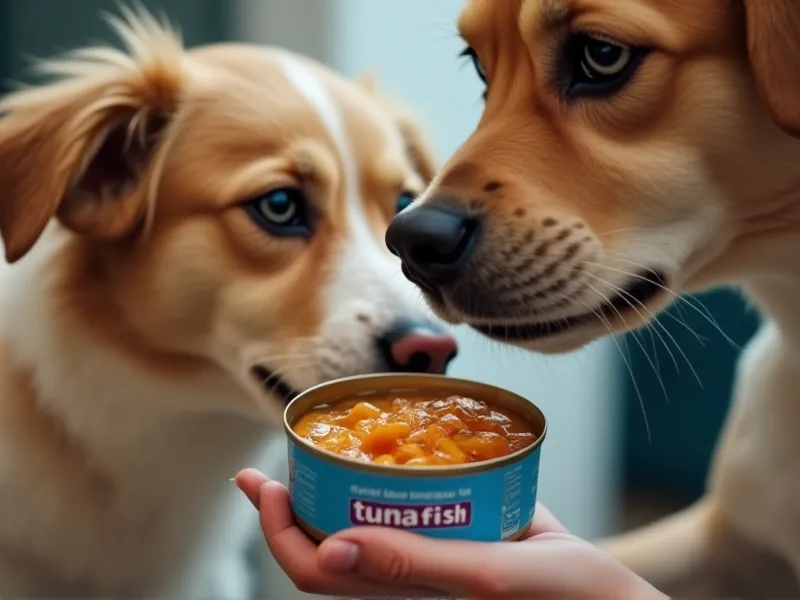
Table of Contents
- Can Dogs Eat Tuna Fish in Oil? The Short Answer
- The Potential Benefits of Tuna for Dogs
- The Risks of Feeding Tuna Fish in Oil to Dogs
- How Much Tuna Fish in Oil Is Safe for Dogs?
- Healthier Alternatives to Tuna in Oil for Dogs
- FAQ: Your Tuna and Dog Questions Answered
- Conclusion: Moderation Is Key
Can Dogs Eat Tuna Fish in Oil? The Short Answer
Yes, dogs can eat small amounts of tuna fish in oil occasionally, but it’s not ideal. Tuna itself is a good source of protein and nutrients, but the oil, added salt, and potential mercury content make it a risky choice for regular or large servings. For most dogs, the risks of tuna in oil (like pancreatitis or sodium overload) outweigh the benefits—especially when healthier alternatives exist.
The Potential Benefits of Tuna for Dogs
Before we dive into the risks, let’s acknowledge why tuna might seem tempting as a treat. Tuna (the fish itself, not the oil) offers some nutritional perks for dogs when served carefully:
1. High-Quality Protein
Tuna is packed with lean protein, which supports muscle growth, repair, and overall energy. Protein is essential for dogs of all ages, from playful puppies to senior pups.
2. Omega-3 Fatty Acids
Tuna contains omega-3s (like EPA and DHA), which are great for your dog’s skin, coat, joint health, and even brain function. A shiny coat and reduced inflammation? Sign us up!
3. Essential Vitamins and Minerals
Tuna is rich in:
- Vitamin B12: Supports nerve function and red blood cell production.
- Vitamin D: Aids in calcium absorption for strong bones.
- Selenium: An antioxidant that boosts the immune system.
- Potassium: Helps regulate heart and muscle function.
But here’s the catch: These benefits come from the tuna meat, not the oil. The oil in canned tuna is typically added for flavor (for humans) and adds little nutritional value for dogs—just extra fat and calories.
The Risks of Feeding Tuna Fish in Oil to Dogs
While tuna has upsides, the “in oil” part (and other factors) introduces some serious risks. Let’s break them down:
1. High Fat Content = Pancreatitis Risk
Tuna packed in oil is high in fat. Dogs’ bodies aren’t designed to handle large amounts of fat, especially sudden, rich treats. Excess fat can trigger pancreatitis—a painful, potentially life-threatening condition where the pancreas becomes inflamed. Symptoms include vomiting, diarrhea, lethargy, and loss of appetite.
Small dogs, overweight dogs, and breeds prone to pancreatitis (like Miniature Schnauzers or Cocker Spaniels) are at even higher risk.
2. Sodium Overload
Most canned tuna (in oil or water) contains added salt to preserve flavor. Dogs need only tiny amounts of sodium (about 100mg per 100 calories of food), and excess salt can lead to:
- Dehydration
- Increased thirst/urination
- Kidney damage (over time)
- Hypertension (high blood pressure)
- In severe cases, salt toxicity (symptoms: seizures, tremors, coma).
3. Mercury Buildup
Tuna is a predatory fish, and larger species (like albacore or “white” tuna) accumulate mercury over time. Mercury is a heavy metal that’s toxic to dogs (and humans!) in high doses.
Chronic mercury exposure can cause:
- Neurological issues (tremors, difficulty walking)
- Kidney damage
- Gastrointestinal problems (vomiting, diarrhea)
Small dogs and puppies are more vulnerable because their bodies can’t process mercury as efficiently as larger dogs.
4. Empty Calories = Weight Gain
The oil in tuna adds extra calories with no nutritional payoff. Feeding your dog tuna in oil regularly can lead to weight gain, which increases the risk of diabetes, joint pain, and heart disease.
5. Choking Hazards (Rare but Possible)
Most canned tuna is boneless, but double-check! If there are tiny bones (even accidental ones), they could pose a choking risk or damage your dog’s throat or intestines.
How Much Tuna Fish in Oil Is Safe for Dogs?
If you must share tuna in oil with your dog (we get it—those puppy eyes are persuasive!), follow these strict guidelines:
Stick to “Light” Tuna, Not Albacore
Choose “light” tuna (made from smaller fish like skipjack) instead of albacore (“white” tuna). Light tuna has far less mercury than albacore.
Drain the Oil (and Rinse if Possible)
Drain the oil thoroughly to reduce fat content. For extra safety, rinse the tuna with water to remove excess salt.
Serving Size: Tiny and Rare
- Small dogs (under 20 lbs): 1–2 teaspoons of drained tuna, once a week at most.
- Medium dogs (20–50 lbs): 1–2 tablespoons, once a week at most.
- Large dogs (over 50 lbs): 2–3 tablespoons, once a week at most.
Never make tuna in oil a regular part of their diet. It should be an occasional treat, not a meal replacement.
Avoid These Dogs Altogether
Skip tuna in oil if your dog:
- Has pancreatitis (or a history of it)
- Is overweight or obese
- Has kidney disease
- Is a puppy (under 6 months) or senior (over 10 years)
- Is on a low-sodium diet
Healthier Alternatives to Tuna in Oil for Dogs
Why risk the oil and salt when there are safer, more nutritious options? Here are our top picks for tuna alternatives:
1. Tuna in Water (Low-Sodium)
If you still want to share tuna, opt for canned tuna in water (not oil) with no added salt. Drain and rinse it to reduce sodium further. It has the same protein and omega-3s as tuna in oil but with less fat and salt.
2. Cooked Salmon
Salmon is a superior source of omega-3s and has lower mercury than tuna. Serve it cooked (no bones!) and plain (no butter, salt, or seasonings). Bonus: It’s a hit with most dogs!
3. Sardines (Canned in Water)
Sardines are small, low-mercury fish packed with protein, omega-3s, and calcium (from their tiny, edible bones!). Look for low-sodium, water-packed sardines—your dog’s joints (and teeth!) will thank you.
4. Lean Cooked Meat
Chicken, turkey, or lean beef (cooked, no bones, no seasoning) is a safe, protein-rich treat. It’s low in fat, easy to digest, and most dogs go crazy for it.
5. Plain Pumpkin
Canned pumpkin (not pie filling!) is high in fiber, great for digestion, and low in calories. It’s a gentle treat for dogs with sensitive stomachs.
6. Greek Yogurt (Plain, Unsweetened)
Plain Greek yogurt is packed with protein and probiotics to support gut health. Just avoid flavors with xylitol (toxic to dogs!) and opt for low-fat versions if your pup is watching calories.
FAQ: Your Tuna and Dog Questions Answered
Q: Is tuna in oil worse than tuna in water for dogs?
A: Yes. Tuna in oil has more fat (pancreatitis risk) and often the same (or more) sodium as tuna in water. Tuna in water is the safer choice, but still limit portions.
Q: Can puppies eat tuna in oil?
A: It’s best to avoid it. Puppies have sensitive digestive systems, and the high fat/salt in tuna oil can cause stomach upset or long-term health issues. Stick to puppy-safe treats like plain cooked chicken.
Q: My dog ate a whole can of tuna in oil! What should I do?
A: Stay calm, but monitor them closely. Symptoms of trouble include vomiting, diarrhea, lethargy, or loss of appetite. If you notice any of these, contact your vet immediately—especially if your dog is small, overweight, or has health issues.
Q: Can dogs with kidney disease eat tuna in oil?
A: No. Tuna (even in water) is high in phosphorus, which is hard on kidneys. Dogs with kidney disease need low-phosphorus diets, so skip the tuna entirely.
Q: Is tuna salad safe for dogs?
A: No! Tuna salad often contains onions, garlic, celery, mayo, or salt—all dangerous for dogs. Onions and garlic are toxic (they damage red blood cells), and mayo is high in fat. Keep the tuna salad for yourself!
Q: How do I know if my dog has mercury poisoning from tuna?
A: Mercury poisoning is rare from occasional treats but can happen with regular, large amounts of high-mercury fish (like albacore). Symptoms include:
- Lethargy
- Loss of appetite
- Tremors or difficulty walking
- Vomiting/diarrhea
If you suspect mercury poisoning, contact your vet right away.
Conclusion: Moderation Is Key
So, can dogs eat tuna fish in oil? Technically, yes—but it’s not recommended. The risks (fat, salt, mercury) often outweigh the benefits, especially when healthier alternatives exist.
If you do share tuna in oil, keep it to tiny, occasional portions (drained and rinsed!), and never make it a habit. For regular treats, opt for safer options like salmon, sardines, or lean meat.
As always, when in doubt, consult your vet. They know your dog’s unique health needs and can help you choose the best treats for their diet.
Your pup’s health and happiness are worth the extra care—now go give them a safe, tail-wagging treat (we bet they’ll love that cooked salmon!).
References
- American Veterinary Medical Association (AVMA). “Pet Nutrition: What’s Right for Your Pet.”
- ASPCA. “Toxic and Non-Toxic Foods for Dogs.”
- PetMD. “Mercury in Fish: Is It Safe for Pets?”
- Cummings School of Veterinary Medicine at Tufts University. “Pancreatitis in Dogs: Symptoms, Causes, and Treatment.”