· 7 min read
Can Dogs Eat Canned Tuna? A Pet Parent’s Guide to Safe Snacking
You’re standing at the kitchen counter, can opener in hand, ready to make a quick tuna sandwich. Suddenly, a wet nose nudges your hand, and a pair of puppy eyes locks onto the can. “Just a tiny bite?” you think. After all, tuna is packed with protein—surely it’s good for your dog, right?
If you’ve ever wondered whether canned tuna is safe for your furry friend, you’re not alone. Tuna is a pantry staple for many humans, but when it comes to our dogs, the answer isn’t as simple as “yes” or “no.” In this guide, we’ll break down the benefits, risks, and guidelines for feeding canned tuna to dogs, so you can make informed choices that keep your pup happy and healthy.
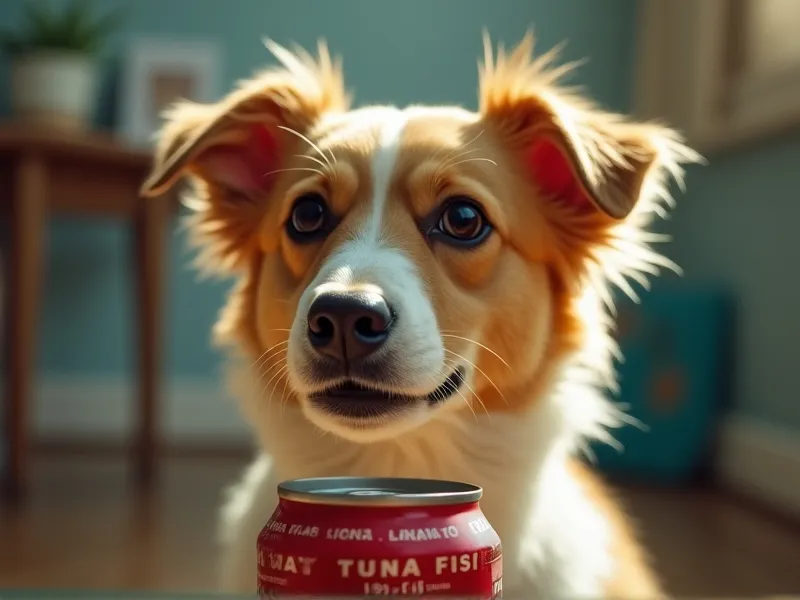
Table of Contents
- Can Dogs Eat Canned Tuna? The Short Answer
- The Potential Benefits of Canned Tuna for Dogs
- The Risks: Why Tuna Shouldn’t Be a Staple
- How Much Canned Tuna Is Safe for Dogs?
- Healthier Alternatives to Canned Tuna
- FAQ: Your Tuna Questions Answered
- Conclusion: Moderation is Key
Can Dogs Eat Canned Tuna? The Short Answer
Yes, dogs can eat small amounts of canned tuna occasionally—but it’s not a meal replacement, and there are important caveats.
Tuna is not toxic to dogs, but it lacks the balanced nutrition they need for daily health. Plus, factors like mercury, sodium, and added ingredients in canned tuna can pose risks if fed too often or in large quantities. Think of it as a special treat, not a staple.
The Potential Benefits of Canned Tuna for Dogs
While canned tuna shouldn’t be part of your dog’s regular diet, it does offer some nutritional perks when served carefully:
1. High-Quality Protein
Tuna is rich in lean protein, which is essential for building and repairing muscles, supporting healthy skin and hair, and maintaining energy levels. Protein also provides amino acids, the “building blocks” of your dog’s body, which help with everything from immune function to hormone production.
2. Omega-3 Fatty Acids
Tuna contains omega-3 fatty acids (EPA and DHA), which are famous for their anti-inflammatory properties. These healthy fats can:
- Improve coat shine and reduce dry, itchy skin.
- Support joint health, especially in older dogs or those with arthritis.
- Boost brain function and cognitive health (great for senior pups!).
- Reduce inflammation linked to allergies or chronic conditions.
3. Vitamins and Minerals
Canned tuna is a source of:
- Vitamin D: Important for bone health and calcium absorption.
- Vitamin B12: Supports nerve function and red blood cell production.
- Selenium: An antioxidant that helps protect cells from damage.
The Risks: Why Tuna Shouldn’t Be a Staple
Despite its benefits, canned tuna comes with significant risks that make it unsafe as a regular food. Let’s break them down:
1. Mercury Poisoning
Mercury is a heavy metal found in many fish, including tuna. Larger, longer-lived fish (like albacore tuna) accumulate more mercury than smaller, shorter-lived ones (like skipjack, used in “light” tuna).
Dogs are smaller than humans, so even small amounts of mercury can build up in their bodies over time, leading to mercury poisoning. Symptoms include:
- Loss of coordination
- Blindness
- Seizures
- Kidney damage
The FDA advises that humans limit albacore tuna to 6 ounces per week; for dogs, that amount is far too much. Stick to “light” tuna (skipjack) if you must feed tuna, as it has lower mercury levels.
2. High Sodium Content
Most canned tuna is packed in water or oil with added salt to enhance flavor and extend shelf life. A single 3-ounce can of tuna can contain 300–400 mg of sodium—more than half the daily recommended sodium intake for a 33-pound dog (which is about 500 mg/day, according to the Pet Food Institute).
Excess sodium can cause:
- Thirst and excessive urination
- Sodium ion poisoning (symptoms: vomiting, diarrhea, tremors, seizures)
- Long-term kidney damage, especially in dogs with preexisting kidney disease
Always choose no-salt-added, water-packed tuna to minimize sodium risks.
3. Toxic Additives
Some canned tuna includes ingredients that are harmful to dogs, such as:
- Garlic or onion powder: These contain thiosulfate, which destroys red blood cells in dogs, leading to anemia.
- Spices or herbs: Ingredients like chives, paprika, or chili powder can irritate your dog’s stomach.
- Oil packing: Tuna packed in oil (e.g., vegetable or soybean oil) is high in fat, which can trigger pancreatitis in dogs (especially small breeds or those prone to the condition).
4. Nutritional Imbalance
Tuna is low in critical nutrients dogs need, like calcium, phosphorus, and certain vitamins. Feeding it regularly can lead to deficiencies over time. For example, a diet lacking calcium can weaken bones and teeth, while insufficient phosphorus impairs energy production.
How Much Canned Tuna Is Safe for Dogs?
If you want to share tuna with your pup, follow these guidelines to keep it safe:
Portion Size (Per Week)
- Small dogs (10–20 lbs): 1–2 tablespoons
- Medium dogs (30–50 lbs): 2–3 tablespoons
- Large dogs (60+ lbs): 3–4 tablespoons
Key Rules
- Occasional only: No more than once per week.
- Plain and simple: Choose water-packed, no-salt-added, light tuna (skipjack). Avoid oil-packed, albacore, or flavored varieties.
- Drain thoroughly: Rinse the tuna to remove excess sodium and any residual oil.
- Mix, don’t replace: Add tuna as a topper to your dog’s regular kibble or wet food, not as a standalone meal.
Healthier Alternatives to Canned Tuna
If you want to treat your dog to fish (or other protein-rich snacks) without the risks of tuna, try these safer options:
1. Fresh Salmon (Cooked)
Salmon is low in mercury, high in omega-3s, and packed with protein. Cook it thoroughly (no raw fish!) and remove all bones to avoid choking hazards.
2. Sardines
Sardines are tiny, low-mercury fish that are loaded with omega-3s, calcium (from edible bones), and vitamin D. Look for canned sardines in water, no salt added.
3. Herring
Like sardines, herring is small and low in mercury. It’s a great source of protein and B vitamins.
4. Cooked Chicken or Turkey
Lean, unseasoned chicken or turkey is a safe, balanced protein source. It’s low in fat, easy to digest, and most dogs love it.
5. Commercial Dog Treats
Opt for vet-approved fish-based treats (e.g., salmon jerky) that are formulated to meet your dog’s nutritional needs without added salt or toxins.
FAQ: Your Tuna Questions Answered
Q: Can dogs eat tuna in oil?
A: It’s best to avoid oil-packed tuna. The extra fat can cause stomach upset or pancreatitis, especially in small dogs or those with sensitive tummies. If you only have oil-packed, drain and rinse it thoroughly to remove excess oil.
Q: Is tuna water safe for dogs?
A: A tiny sip is probably fine, but tuna water is high in sodium. Too much can lead to dehydration or sodium ion poisoning. Stick to plain water for hydration!
Q: What if my dog ate a whole can of tuna?
A: Monitor for symptoms of sodium overload: vomiting, diarrhea, excessive thirst, or restlessness. If you notice these, contact your vet immediately. A single can is unlikely to be fatal, but it’s better to err on the side of caution.
Q: Can puppies eat tuna?
A: Puppies have sensitive digestive systems and higher nutrient needs. It’s best to wait until they’re fully grown (12–18 months, depending on breed) before offering tuna. Stick to puppy-formulated food for balanced nutrition.
Q: Is canned tuna good for dogs with allergies?
A: Some dogs with food allergies (e.g., to chicken or beef) may tolerate fish, but tuna isn’t the best choice due to mercury and sodium. Talk to your vet about hypoallergenic diets or safer fish options like salmon.
Conclusion: Moderation is Key
Canned tuna can be a tasty occasional treat for your dog, but it’s not a substitute for a balanced diet. The risks of mercury, sodium, and additives far outweigh the benefits when fed regularly.
When in doubt, consult your vet—especially if your dog has health issues like kidney disease, high blood pressure, or pancreatitis, which make them more sensitive to sodium or fat.
At the end of the day, the best way to show your pup love is with a diet that keeps them healthy and happy. So next time you crack open that tuna can, save most for your sandwich—and share just a tiny bite with your patient pup. They’ll wag their tail either way!
Sources
- American Society for the Prevention of Cruelty to Animals (ASPCA). “People Foods to Avoid Feeding Your Pets.”
- U.S. Food and Drug Administration (FDA). “Advice About Eating Fish.”
- American Kennel Club (AKC). “Can Dogs Eat Tuna?”
- Pet Food Institute. “Nutritional Needs of Dogs.”
- VCA Hospitals. “Sodium Ion Poisoning in Dogs.”