· 8 min read
Can Dogs Eat Tuna and Rice? A Pet Parent’s Guide to Safe Feeding
It’s a quiet weeknight, and you’re savoring a simple meal of tuna and rice. Across the table, your dog sits, tail thumping, eyes locked on your plate. “Just a tiny bite won’t hurt, right?” you think. But before you cave to those puppy-dog eyes, let’s get the facts straight: Can dogs safely eat tuna and rice? Spoiler: The answer is yes—but with some big “buts.” Let’s dive into what you need to know to keep your furry friend happy and healthy.
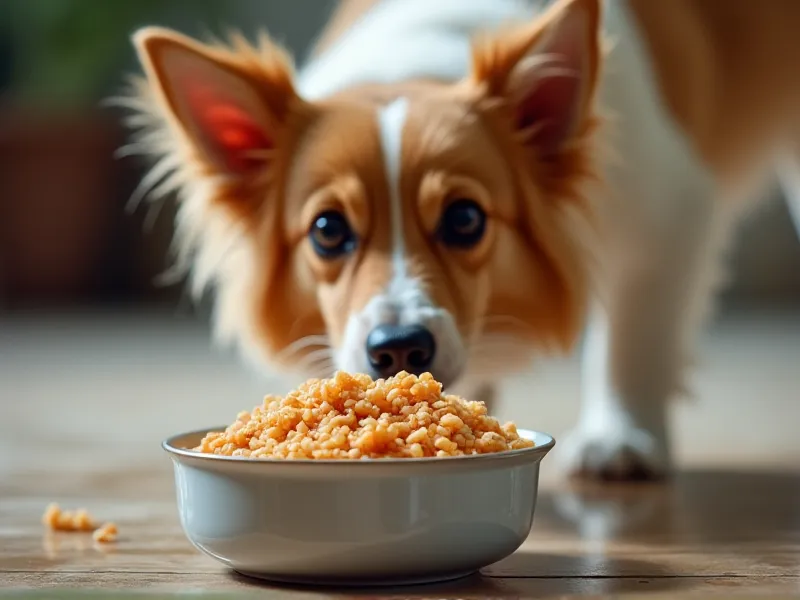
Table of Contents
- Can Dogs Eat Tuna and Rice? The Short Answer
- The Benefits of Tuna for Dogs
- The Benefits of Rice for Dogs
- The Risks of Tuna for Dogs
- The Risks of Rice for Dogs
- How Much Tuna and Rice Can Dogs Eat?
- Healthier Alternatives to Tuna and Rice
- FAQ: Your Tuna and Rice Questions Answered
- Conclusion: Moderation is Key
1. Can Dogs Eat Tuna and Rice? The Short Answer
Yes, dogs can eat tuna and rice in moderation, but it’s not a one-size-fits-all “yes.” Think of it as a special treat or occasional meal, not a daily staple. Tuna offers protein and healthy fats, while rice provides easy-to-digest carbs—together, they can even soothe an upset stomach (more on that later!). But there are risks, like mercury in tuna or excess carbs from rice, that pet parents need to navigate. Let’s break down the good, the bad, and the “proceed with caution.”
2. The Benefits of Tuna for Dogs
Tuna isn’t just a human favorite—it’s packed with nutrients that can benefit your dog, too. Here’s why it might make a (carefully portioned) addition to their diet:
High-Quality Protein
Tuna is rich in lean protein, which is essential for dogs. Protein supports muscle growth, repairs tissues, and keeps their energy levels steady. For active dogs or those recovering from illness, a little tuna can be a tasty protein boost.
Omega-3 Fatty Acids
Tuna (especially fatty fish like albacore) contains omega-3s, which are superheroes for your dog’s health. These fats reduce inflammation, support a shiny coat and healthy skin, and may even boost brain and eye development in puppies.
Vitamins and Minerals
Tuna is a good source of:
- Vitamin D: Important for bone health and immune function.
- Vitamin B12: Supports nerve function and red blood cell production.
- Selenium: An antioxidant that protects cells from damage.
- Potassium: Helps regulate blood pressure and muscle function.
3. The Benefits of Rice for Dogs
Rice is a pantry staple for a reason—it’s gentle, versatile, and offers its own set of perks for dogs:
Easy to Digest
Rice (especially white rice) is bland and low in fiber, making it a go-to for dogs with upset stomachs. Vets often recommend boiled white rice mixed with lean protein (like chicken) to soothe diarrhea or vomiting. It’s gentle on the digestive tract and helps bind stool.
Energy-Boosting Carbs
Carbohydrates are a dog’s primary source of energy, and rice delivers them in a digestible form. This is great for active dogs or those needing a quick energy pick-me-up.
Nutrient Add-Ons
While white rice is mostly carbs, brown rice (a whole grain) adds extra nutrients:
- Fiber: Supports healthy digestion and keeps your dog feeling full.
- Magnesium: Aids muscle and nerve function.
- B Vitamins: Help convert food into energy.
4. The Risks of Tuna for Dogs
Tuna isn’t all sunshine and omega-3s. Here are the risks to watch for:
Mercury Poisoning
Mercury is a heavy metal found in many fish, and tuna (especially large, predatory species like albacore or bigeye) can accumulate high levels. Over time, mercury buildup can damage your dog’s kidneys, nervous system, and brain. Small dogs and puppies are extra vulnerable because their bodies can’t process mercury as efficiently.
Sodium Overload
Canned tuna often contains added salt (to preserve flavor). Dogs need very little sodium—too much can lead to dehydration, high blood pressure, or even salt toxicity (symptoms: vomiting, diarrhea, seizures). Always choose unsalted, water-packed tuna over oil-packed or flavored varieties.
Bones and Choking Hazards
Fresh tuna may contain small, sharp bones that can get stuck in your dog’s throat, esophagus, or intestines. Even tiny bones can cause tears or blockages, which require emergency vet care. Always check tuna thoroughly for bones before feeding.
Raw Tuna Risks
Raw or undercooked tuna can harbor parasites (like anisakis) or bacteria (like Salmonella), which can make your dog sick. Stick to cooked tuna to avoid these risks.
5. The Risks of Rice for Dogs
Rice is generally safe, but overdoing it or choosing the wrong type can cause issues:
Excess Carbohydrates
Dogs don’t need as many carbs as humans do. Feeding too much rice can lead to weight gain, obesity, or even diabetes (especially in dogs predisposed to the condition). It should never replace protein-rich dog food in their diet.
White Rice vs. Brown Rice: Fiber Matters
White rice is low in fiber, which is why it’s great for upset tummies—but it’s also low in nutrients. Brown rice has more fiber, but too much can cause gas or diarrhea, especially in dogs unused to high-fiber foods.
Flavored or Seasoned Rice
Avoid rice cooked with garlic, onions, salt, or spices. Garlic and onions are toxic to dogs (they damage red blood cells), while excess salt can lead to sodium poisoning. Stick to plain, unseasoned rice.
6. How Much Tuna and Rice Can Dogs Eat?
Moderation is the golden rule here. Tuna and rice should be an occasional treat, not a daily meal. Here’s a general guide based on your dog’s size:
| Dog Size | Tuna Portion (Cooked, Unsalted) | Rice Portion (Cooked, Plain) | Frequency |
|---|---|---|---|
| Small (5-20 lbs) | 1-2 tablespoons | 2-3 tablespoons | Once every 1-2 weeks |
| Medium (20-50 lbs) | 2-4 tablespoons | 1/4 cup | Once every 1-2 weeks |
| Large (50+ lbs) | 1/4 cup | 1/3 cup | Once every 1-2 weeks |
Pro Tips:
- Always cook tuna thoroughly (no raw!) and remove any bones.
- Use water-packed tuna, not oil-packed (oil can cause pancreatitis in sensitive dogs).
- Mix tuna and rice with your dog’s regular food, or serve as a standalone treat—never as a replacement for balanced dog food.
- Introduce new foods slowly. Start with a tiny portion and watch for signs of upset (vomiting, diarrhea, lethargy).
7. Healthier Alternatives to Tuna and Rice
If you’re concerned about mercury in tuna or want more variety, here are safer, nutrient-dense alternatives:
For Tuna:
- Salmon: Lower in mercury than tuna, rich in omega-3s, and safe in moderation.
- Sardines: Small, low-mercury fish packed with calcium (from edible bones!) and omega-3s.
- Chicken or Turkey: Lean, protein-rich, and easy to digest—vets often recommend these for sensitive tummies.
For Rice:
- Oats: A whole grain with fiber and iron (cook plain, no sugar).
- Quinoa: A complete protein with amino acids, fiber, and iron (cook thoroughly).
- Sweet Potatoes: Cooked, plain sweet potatoes are packed with fiber, vitamins A and C, and antioxidants.
8. FAQ: Your Tuna and Rice Questions Answered
Q: Can dogs eat canned tuna?
A: Yes, but only unsalted, water-packed canned tuna (no oil, salt, or added flavors). Avoid “light” tuna (which may have more mercury than albacore in small amounts—confusing, we know!) and stick to small portions.
Q: Is brown rice better than white rice for dogs?
A: It depends! White rice is better for upset stomachs (gentler on digestion), while brown rice has more fiber and nutrients for healthy dogs. Start with small amounts of brown rice to avoid gas.
Q: Can puppies eat tuna and rice?
A: Puppies can have small portions, but their main diet should be puppy-formulated food (rich in DHA and protein for growth). Consult your vet first, as puppies have sensitive tummies.
Q: What if my dog ate too much tuna and rice?
A: Watch for symptoms like vomiting, diarrhea, or lethargy. If they ate a large amount (or seasoned rice), contact your vet—especially if you notice signs of mercury poisoning (tremors, loss of coordination, excessive drooling).
9. Conclusion: Moderation is Key
So, can dogs eat tuna and rice? Yes—in small, occasional portions, with plain, cooked ingredients and no added salt or seasonings. It can be a tasty treat, a stomach-soothing meal, or a way to mix up their diet. But remember: Tuna and rice should never replace a balanced, vet-approved dog food.
Every dog is different, so always consult your vet before introducing new foods—especially if your dog has health issues (like kidney disease, allergies, or diabetes). And when in doubt, err on the side of caution: Those puppy eyes are hard to resist, but your dog’s health is worth the wait.
Final thought: The best part of sharing food with your dog is the love—but the safest way is to stick to treats made just for them. When in doubt, opt for a dog-friendly snack, and save the tuna and rice for your own plate (with a side of guilt-free snuggles for your pup!).
References
- American Kennel Club (AKC). “Can Dogs Eat Tuna?” akc.org
- PetMD. “Human Foods Dogs Can and Can’t Eat.” petmd.com
- U.S. Food and Drug Administration (FDA). “Mercury Levels in Commercial Fish and Shellfish.” fda.gov
- Cummings School of Veterinary Medicine at Tufts University. “Feeding Your Dog: What’s Safe, What’s Not.” tuftscvm.org