· 9 min read
Can Dogs Eat Tums for an Upset Stomach? A Pet Parent’s Guide to Safe Relief
It’s 2 a.m., and your normally energetic pup, Luna, is acting off. She’s pacing the living room, licking her lips excessively, and just vomited a small puddle of clear liquid. Your heart sinks—she must have an upset stomach. Scrambling to the medicine cabinet, you spot a bottle of Tums: your go-to for heartburn. But wait… can dogs eat Tums? Is this a safe fix for Luna, or could it make things worse?
If you’ve ever found yourself in this scenario, you’re not alone. As pet parents, we hate seeing our fur babies uncomfortable, and it’s natural to want to reach for quick solutions. But when it comes to human medications, “safe for me” doesn’t always mean “safe for my dog.”
In this guide, we’ll break down everything you need to know about Tums and dogs: whether they’re safe, potential benefits, hidden risks, proper dosage, and healthier alternatives. Let’s help your pup feel better—safely.
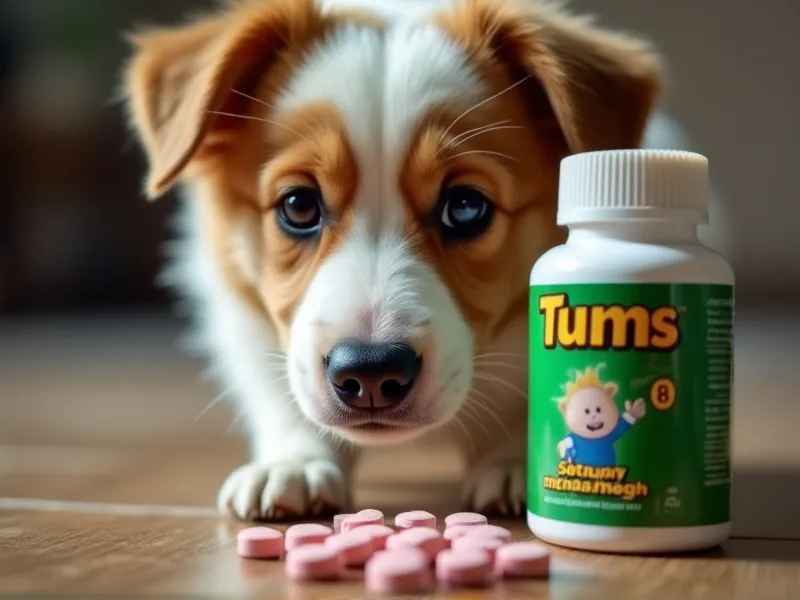
Table of Contents
- Can Dogs Eat Tums? The Short Answer
- What Are Tums, Anyway?
- Potential Benefits of Tums for Dogs (When Used Cautiously)
- The Risks: Why Tums Aren’t a “One-Size-Fits-All” Solution
- Safe Dosage Guidelines: How Much Tums Can Dogs Have?
- Healthier Alternatives to Tums for Upset Stomachs
- When to Worry: Signs Your Dog Needs a Vet (Not Just Tums)
- FAQ: Your Most Pressing Tums & Dog Stomach Questions Answered
- Conclusion: Tums as a Temporary Fix, Not a Long-Term Solution
1. Can Dogs Eat Tums? The Short Answer
Yes, dogs can eat Tums in small, occasional doses to缓解 mild stomach upset—but they are not a cure-all, and there are important risks to consider.
Tums are an over-the-counter antacid designed to neutralize stomach acid in humans, and their main active ingredient—calcium carbonate—can have a similar effect in dogs. However, Tums are not FDA-approved for veterinary use, and they come with potential downsides (like sugar, artificial additives, or calcium overload) that make them a “last resort” rather than a first-line treatment.
Think of Tums as a temporary band-aid for occasional issues (e.g., your dog stole a spicy chip and has mild heartburn) but never a substitute for consulting your vet—especially if symptoms persist.
2. What Are Tums, Anyway?
Before we dive into the “can dogs eat Tums” debate, let’s clarify what Tums actually are. Tums is a brand of antacid tablets primarily used by humans to relieve heartburn, indigestion, or sour stomach. Their key ingredient is calcium carbonate, a mineral that works by neutralizing excess stomach acid (HCl), which reduces irritation in the esophagus and stomach lining.
Most Tums tablets also contain inactive ingredients like sugar, flavorings (e.g., cherry, peppermint), and binders to hold the tablet together. Some formulations are labeled “extra strength” or “sugar-free,” which may include higher doses of calcium carbonate or alternative sweeteners (more on that later).
3. Potential Benefits of Tums for Dogs
While Tums aren’t a miracle cure, they can offer temporary relief in specific situations. Here’s how they might help your pup:
Temporary Relief for Mild Acid Upset
If your dog has a mild case of acid reflux (e.g., after eating something greasy or spicy) or occasional indigestion, the calcium carbonate in Tums can neutralize stomach acid, easing symptoms like:
- Excessive licking of lips
- Gulping or swallowing air
- Mild vomiting (e.g., bile in the morning)
- Discomfort or restlessness
This is most effective for short-term issues—not chronic conditions like gastritis or inflammatory bowel disease (IBD).
A Small Calcium Boost (But Not a Supplement)
Calcium is an essential mineral for dogs, supporting bone health, muscle function, and nerve transmission. Tums contain calcium carbonate, so a small dose might technically add a tiny amount of calcium to your dog’s diet. However, Tums should never be used as a calcium supplement. Most high-quality dog foods already contain balanced calcium levels, and excess calcium (from Tums or other sources) can lead to serious health problems (more on that in the risks section).
4. The Risks: Why Tums Aren’t Always Safe
While Tums can help in a pinch, they’re not risk-free. Here are the biggest concerns pet parents should watch for:
Sugar and Artificial Additives
Most Tums tablets are loaded with sugar to make them palatable for humans. A single regular-strength Tums tablet can contain 2-3 grams of sugar—doesn’t sound like much, but for a small dog (e.g., a 10-pound Chihuahua), that’s a significant portion of their daily calorie intake. Over time, excess sugar can lead to:
- Obesity
- Dental decay
- Pancreatitis (a painful, potentially life-threatening inflammation of the pancreas)
- Exacerbated diabetes (in dogs with the condition)
Some “sugar-free” Tums use artificial sweeteners like sorbitol or mannitol, which can cause diarrhea or gas in dogs. Worse, never give your dog Tums (or any product) containing xylitol—a sugar substitute toxic to dogs that causes a dangerous drop in blood sugar and liver failure. Always check the label: if “xylitol” is listed, keep it far from your pup!
Calcium Overload (Hypercalcemia)
While calcium is essential, too much can be harmful. Dogs with kidney disease, parathyroid issues, or a history of bladder stones are especially at risk, but even healthy dogs can develop hypercalcemia (high blood calcium levels) if given Tums too often or in large doses. Symptoms of hypercalcemia include:
- Lethargy
- Loss of appetite
- Increased thirst/urination
- Constipation
- Kidney stones (calcium oxalate)
- In severe cases: abnormal heart rhythms or organ damage
Choking Hazard
Tums tablets are relatively large and hard, which can pose a choking risk—especially for small dogs or those who gulp their food without chewing. If you do give Tums, consider crushing the tablet and mixing it with a small amount of wet food to reduce this risk.
Masking Underlying Health Issues
The biggest danger of relying on Tums? They might hide symptoms of a more serious problem. If your dog has frequent stomach upset, it could signal:
- Food allergies or intolerances
- Infections (e.g., parasites, bacterial overgrowth)
- Ulcers or gastritis
- Pancreatitis
- Cancer (rare, but possible)
Using Tums to “treat” these issues delays proper diagnosis and treatment, which could worsen your dog’s condition.
5. Safe Dosage Guidelines: How Much Tums Can Dogs Have?
If you decide to give Tums to your dog (after ruling out red flags like xylitol or chronic symptoms), dosage depends on your dog’s weight and the Tums formulation. Always use the regular-strength version (not “extra strength”) and avoid flavored varieties with added sugar or additives when possible.
Here’s a general guideline (always consult your vet first!):
| Dog’s Weight | Regular-Strength Tums (300-400mg calcium carbonate) |
|---|---|
| Small (under 20 lbs) | ¼ to ½ tablet, once per day maximum |
| Medium (20-50 lbs) | ½ to 1 tablet, once per day maximum |
| Large (50-100 lbs) | 1 to 2 tablets, once per day maximum |
| Extra-large (100+ lbs) | 2 tablets, once per day maximum |
Important notes:
- Only use Tums occasionally (no more than once every few weeks). Daily use increases the risk of calcium overload.
- If your dog vomits after taking Tums, stop immediately and contact your vet.
- Never give Tums to puppies under 6 months old, as their calcium needs are carefully balanced by their diet.
6. Healthier Alternatives to Tums for Upset Stomachs
Tums should be a last resort. For most cases of mild stomach upset, these natural or vet-approved alternatives are safer and more effective:
Plain Canned Pumpkin (No Sugar/Spices)
Pumpkin is a pet parent favorite for good reason! It’s rich in fiber, which soothes the digestive tract and regulates bowel movements (helping with both diarrhea and constipation). Give 1-4 tablespoons (depending on size) mixed with food.
Plain Greek Yogurt (No Sugar/Additives)
Yogurt with live probiotics supports healthy gut bacteria, which can ease indigestion and boost immunity. Opt for unsweetened, lactose-free yogurt if your dog is lactose intolerant (common in some breeds). Start with 1-2 teaspoons for small dogs, up to ¼ cup for large dogs.
Slippery Elm Bark
Slippery elm is a natural herb that forms a gel-like coating in the stomach, reducing inflammation and irritation. It’s available as a powder (mix ¼-1 teaspoon with water) or capsules (check dosage with your vet).
Ginger (Small Amounts)
Ginger has anti-nausea properties and can ease mild stomach upset. Grate a tiny piece (1/8-¼ teaspoon for small dogs, up to 1 teaspoon for large dogs) and mix with food. Avoid ginger ale, which is high in sugar!
Vet-Prescribed Antacids
For chronic acid reflux or gastritis, your vet may recommend safer, longer-term options like:
- Famotidine (Pepcid AC): Reduces stomach acid production (safer than Tums for regular use).
- Omeprazole (Prilosec): A proton pump inhibitor for more severe cases.
7. When to Worry: Signs Your Dog Needs Veterinary Care
Tums are only for mild, occasional upset. Contact your vet immediately if your dog shows any of these symptoms:
- Vomiting or diarrhea lasting more than 24 hours
- Blood in vomit or stool (red or black, tarry stools)
- Lethargy, weakness, or collapse
- Loss of appetite for more than 12 hours
- Abdominal pain (hunched back, growling when touched)
- Excessive thirst/urination
- Weight loss
These could signal a serious condition like pancreatitis, infection, or obstruction—all of which require urgent treatment.
8. FAQ: Your Tums and Dog Stomach Questions Answered
Q: Can Tums help my dog with acid reflux?
A: Tums may temporarily neutralize acid, easing mild reflux symptoms (e.g., occasional vomiting of bile). However, chronic reflux (common in brachycephalic breeds like Bulldogs) needs vet care—your vet may prescribe famotidine or a special diet instead.
Q: My dog ate a whole bottle of Tums! What should I do?
A: Call your vet or the Pet Poison Helpline (855-764-7661) immediately. A large dose of calcium carbonate can cause hypercalcemia, kidney damage, or constipation. Bring the Tums bottle to the vet to confirm the calcium dose.
Q: Are sugar-free Tums safe for dogs?
A: It depends on the sweetener. Avoid any with xylitol (toxic!). Sugar-free Tums with sorbitol or mannitol may cause diarrhea but are not toxic in small amounts. Always check the label first.
Q: How often can I give my dog Tums?
A: Only occasionally—no more than once every 1-2 weeks. If your dog needs Tums more often, they likely have an underlying issue that needs vet attention.
9. Conclusion: Tums as a Temporary Fix, Not a Solution
When your dog is uncomfortable, it’s natural to want to reach for a quick fix like Tums. And in small, occasional doses, they can safely ease mild stomach upset. But remember: Tums are not a substitute for veterinary care.
Always check the label for xylitol or excess sugar, stick to weight-based dosages, and never use them for chronic symptoms. When in doubt, call your vet—they can help identify the root cause of your dog’s upset stomach and recommend safer, more effective treatments (like pumpkin, probiotics, or prescription meds).
Your pup’s belly health is too important to guesswork. With a little caution and a lot of love, you’ll have them back to wagging tails and zoomies in no time!
References:
- American Kennel Club (AKC). “Can Dogs Take Antacids?” akc.org
- PetMD. “Antacids for Dogs: When Are They Safe?” petmd.com
- VCA Hospitals. “Gastroenteritis in Dogs.” vcahospitals.com
- Pet Poison Helpline. “Xylitol Toxicity in Dogs.” petpoisonhelpline.com