· 9 min read
Can Dogs Eat Tums? A Pet Parent’s Guide to Antacids and Your Pup’s Health
It’s a familiar scene: You’re curled up on the couch, scrolling through your phone, when you notice your dog, Bella, acting… off. She’s pacing, licking her lips excessively, and letting out tiny, uncomfortable whimpers. You recall she scarfed down her dinner earlier, and now you’re wondering if she’s dealing with an upset stomach—maybe even heartburn, like you get after eating too much pizza. Your eyes drift to the medicine cabinet, where a bottle of Tums sits. Could this over-the-counter antacid help Bella feel better?
If you’ve ever asked yourself, “Can dogs eat Tums?” you’re not alone. Pet parents often turn to household remedies when their furry friends aren’t feeling well, but when it comes to our dogs’ health, “safe for humans” doesn’t always mean “safe for pups.” In this guide, we’ll break down everything you need to know about Tums and dogs—from potential benefits to hidden risks, how much (if any) is safe, and healthier alternatives to consider. Let’s dive in.
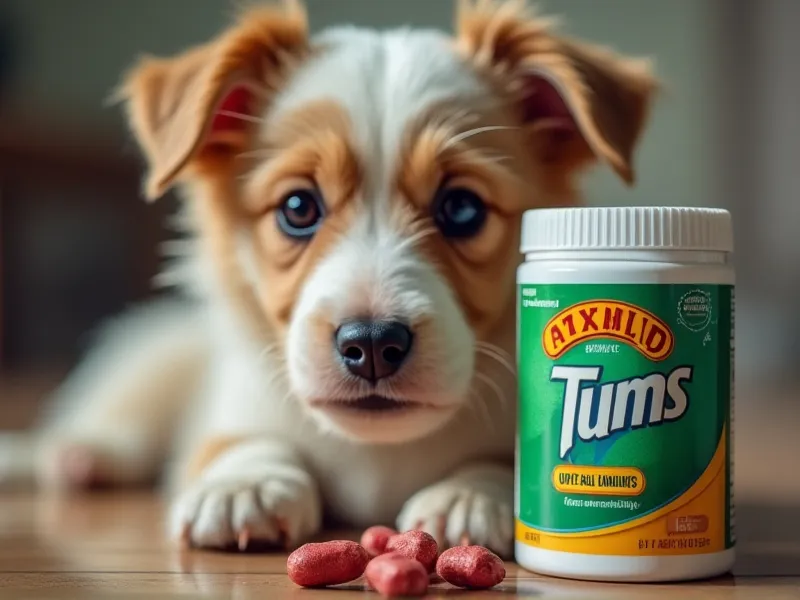
Table of Contents
- Can Dogs Eat Tums? The Short Answer
- What Are Tums, Anyway?
- Potential Benefits of Tums for Dogs (Spoiler: They’re Limited)
- Calcium: A Necessary Nutrient
- Temporary Relief for Mild Stomach Discomfort
- The Risks of Feeding Tums to Dogs (These Are Important!)
- Sugar and Artificial Additives: A Hidden Danger
- Xylitol: The Silent Threat in “Sugar-Free” Options
- Calcium Overload: Hypercalcemia and Kidney Risks
- Stomach Upset and Digestive Disturbances
- Guidelines: If (and When) Tums Might Be Safe for Dogs
- When to Consider Tums (Spoiler: Rarely, Without a Vet’s OK)
- How Much Tums Can Dogs Have? Dosage Matters
- What to Avoid: Flavors, Additives, and “Sugar-Free” Varieties
- Healthier Alternatives to Tums for Dog Stomach Upset
- Natural Remedies to Soothe Mild Discomfort
- When to See the Vet Instead
- FAQ: Your Tums and Dogs Questions, Answered
- Conclusion: When in Doubt, Call the Vet
Can Dogs Eat Tums? The Short Answer
No, dogs should not eat Tums regularly, and you should never give them Tums without first consulting your veterinarian.
While plain, unflavored Tums (calcium carbonate) are not immediately toxic to dogs in tiny, occasional doses, they come with significant risks—especially if given incorrectly or in excess. The “benefits” are minimal and often overshadowed by potential harm, including sugar overload, artificial additive reactions, and dangerous calcium buildup.
In short: Tums are not a safe, go-to remedy for your dog’s upset stomach. Always talk to your vet first.
What Are Tums, Anyway?
Tums are an over-the-counter antacid designed to neutralize stomach acid in humans, relieving symptoms like heartburn, indigestion, and acid reflux. The active ingredient is calcium carbonate, a mineral that works by lowering stomach acidity.
Most Tums products also include inactive ingredients to improve taste and texture, such as:
- Sugar (in flavored varieties like cherry, orange, or peppermint)
- Artificial flavors and colors
- Sweeteners (including sugar alcohols like sorbitol, or even xylitol in some “sugar-free” versions)
- Binders and fillers
Potential Benefits of Tums for Dogs (Spoiler: They’re Limited)
At first glance, calcium carbonate might seem harmless—after all, calcium is an essential nutrient for dogs. But the benefits of Tums for pups are few and far between, and they’re almost never worth the risks. Let’s break them down:
1. Calcium: A Necessary Nutrient (But Not From Tums)
Calcium is critical for dogs’ bone health, muscle function, and nerve transmission. However, dogs get all the calcium they need from a balanced, high-quality dog food. Adding Tums as a “calcium supplement” is unnecessary and risky—excess calcium can lead to serious health issues (more on that later).
2. Temporary Relief for Mild Stomach Discomfort (Maybe)
In theory, calcium carbonate could neutralize excess stomach acid in dogs, offering temporary relief from mild indigestion or heartburn. But here’s the catch: Dogs rarely experience “heartburn” like humans do. Their stomachs are designed to handle high acidity (necessary for digesting protein), and most “upset stomach” cases stem from underlying issues (e.g., dietary indiscretion, gastritis, or even kidney disease) that Tums won’t fix.
Even if your dog has mild acid reflux, Tums are not the best solution. Your vet can recommend safer, more effective options.
The Risks of Feeding Tums to Dogs (These Are Important!)
The risks of Tums for dogs far outweigh any potential benefits. Let’s unpack the biggest dangers:
1. Sugar and Artificial Additives: A Recipe for Upset
Most Tums are flavored (think: fruit, mint, or berry) and loaded with sugar to make them palatable for humans. Dogs don’t need added sugar, and excess sugar can lead to:
- Obesity and diabetes
- Dental decay
- Upset stomach, diarrhea, or vomiting (especially in sensitive dogs)
Artificial flavors, colors, and preservatives (like Red 40 or Yellow 5) can also trigger allergic reactions or digestive distress in some pups.
2. Xylitol: The Silent, Deadly Threat in “Sugar-Free” Tums
Here’s the scariest risk: Some “sugar-free” Tums contain xylitol, an artificial sweetener that is extremely toxic to dogs. Even small amounts of xylitol can cause a rapid insulin release, leading to life-threatening hypoglycemia (low blood sugar), seizures, liver failure, or death.
Always check the label! If a Tums product says “sugar-free,” assume it contains xylitol unless proven otherwise. Even a single sugar-free Tums could harm your dog.
3. Calcium Overload: Hypercalcemia and Kidney Damage
Calcium carbonate is a concentrated source of calcium. While a tiny dose (e.g., 1/4 of a plain Tums for a large dog) might not hurt, repeated or excessive use can lead to hypercalcemia (high blood calcium levels). Symptoms include:
- Lethargy and weakness
- Loss of appetite
- Increased thirst and urination
- Vomiting or constipation
- Kidney stones or kidney failure (over time)
Dogs with kidney disease, parathyroid issues, or cancer are especially vulnerable to hypercalcemia.
4. Stomach Upset and Digestive Disturbances
Even plain Tums can cause digestive issues in dogs. Calcium carbonate can bind to stomach acid, but it can also slow digestion, leading to:
- Constipation (common with excess calcium)
- Bloating or gas
- Nausea or vomiting (if given on an empty stomach)
Guidelines: If (and When) Tums Might Be Safe for Dogs
In very rare cases, your vet might recommend Tums as a short-term, low-dose solution for specific conditions (e.g., mild hyperacidity due to stress). But this is the exception, not the rule. If your vet gives the green light, follow these guidelines:
When to Consider Tums (Spoiler: Rarely, Without a Vet’s OK)
Only give Tums if your vet explicitly recommends it for a specific reason (e.g., temporary acid neutralization during recovery from an illness). Never use Tums for:
- Chronic upset stomach (this signals an underlying issue)
- “Preventative” use (e.g., after a rich meal)
- Puppies, senior dogs, or dogs with health conditions (kidney disease, diabetes, etc.)
How Much Tums Can Dogs Have? Dosage Matters
Never guess the dosage! Your vet will calculate a safe amount based on your dog’s weight, health status, and the reason for use. As a general, vet-approved guideline (do not use this without consulting your vet):
- Small dogs (under 20 lbs): 1/4 to 1/2 of a plain, unflavored Tums tablet
- Medium dogs (20–50 lbs): 1/2 to 1 plain Tums tablet
- Large dogs (50+ lbs): 1 to 2 plain Tums tablets
Tums should be given rarely (once or twice, at most) and only under vet supervision.
What to Avoid: Flavors, Additives, and “Sugar-Free” Varieties
Stick to plain, unflavored, sugar-free (but xylitol-free!) Tums if your vet approves. Avoid:
- Flavored Tums (sugar, artificial flavors)
- Sugar-free Tums (risk of xylitol)
- Tums with added vitamins or minerals (e.g., “extra strength” or “calcium + D”)
Healthier Alternatives to Tums for Dog Stomach Upset
Instead of Tums, try these safer, vet-recommended options for mild stomach discomfort:
1. Plain, Unsweetened Yogurt
Probiotics in plain yogurt can soothe an upset stomach by balancing gut bacteria. Choose yogurt with no added sugar and ensure it’s lactose-free (many dogs are lactose intolerant).
2. Pumpkin (Canned, Unsweetened)
Pumpkin is rich in fiber and can help firm up loose stools or ease constipation. Offer 1–2 tablespoons (depending on size) mixed into your dog’s food.
3. Slippery Elm Bark
Slippery elm is a natural demulcent that coats the stomach lining, relieving irritation. Ask your vet for a safe dosage (usually a powder mixed with water).
4. Fasting (for Mild Cases)
If your dog has a mild upset stomach from eating something they shouldn’t have, a 12–24 hour fast (with access to water) can help their gut reset. Follow up with a bland diet (boiled chicken and rice) for a day or two.
When to See the Vet Instead
Never use home remedies (including Tums) for:
- Severe symptoms (vomiting, diarrhea, lethargy, blood in stool)
- Chronic upset stomach (happening more than once a week)
- Underlying conditions (e.g., kidney disease, diabetes, or allergies)
FAQ: Your Tums and Dogs Questions, Answered
Q: Can puppies have Tums?
A: No. Puppies have sensitive digestive systems and developing organs, making them more vulnerable to calcium overload and sugar-related issues. Always ask your vet before giving any medication to a puppy.
Q: My dog ate a whole bottle of Tums! What should I do?
A: Call your vet or an emergency animal hospital immediately. Symptoms of calcium overdose (hypercalcemia) include vomiting, weakness, increased thirst, and kidney issues. If the Tums contained xylitol, it’s a medical emergency—seek help within 30 minutes.
Q: Are all Tums flavors unsafe?
A: Yes. Flavored Tums contain sugar and artificial additives that can upset your dog’s stomach. Stick to plain, unflavored varieties (only if vet-approved).
Q: Can Tums help with my dog’s acid reflux?
A: Maybe temporarily, but it’s not a solution. Acid reflux in dogs often signals an underlying issue (e.g., a hiatal hernia or kidney disease). Your vet can prescribe safer, more effective medications (like famotidine) instead.
Conclusion: When in Doubt, Call the Vet
At the end of the day, Tums are a human medication, not a doggy remedy. While plain Tums aren’t immediately toxic, they come with too many risks to be a go-to solution for your pup’s upset stomach.
Instead of reaching for the medicine cabinet, focus on prevention: Feed a balanced diet, avoid table scraps, and monitor your dog for signs of discomfort. If they do have an upset stomach, try natural remedies like pumpkin or yogurt, and always consult your vet for severe or chronic issues.
Your dog’s health is worth the extra call to the vet. After all, they can’t tell you when something’s wrong—so it’s up to us to keep them safe.
References
- American Society for the Prevention of Cruelty to Animals (ASPCA). “Toxic and Non-Toxic Plants and Substances.”
- VCA Animal Hospitals. “Calcium Disorders in Dogs.”
- PetMD. “Xylitol Toxicity in Dogs.”
- Veterinary Information Network (VIN). “Antacids for Dogs: Risks and Benefits.”
- Cummings School of Veterinary Medicine at Tufts University. “Gastroesophageal Reflux in Dogs.”