· 9 min read
Can Dogs Eat Tres Leches? A Pet Parent’s Guide to This Sweet Treat
It’s a sunny Sunday afternoon, and you’ve just pulled a golden, creamy tres leches cake out of the fridge—its sweet aroma filling the kitchen. As you slice a piece, your dog trots over, tail wagging, eyes locked on the dessert. “Just a little taste?” you wonder. “Surely one bite won’t hurt… right?”
If you’ve ever found yourself in this scenario, you’re not alone. Tres leches cake is a beloved dessert, with its fluffy sponge and rich, milky soak. But when it comes to sharing human treats with our pups, “safe” and “delicious” don’t always go hand in hand. In this guide, we’ll break down whether tres leches is dog-friendly, the risks involved, and healthier alternatives to satisfy your pup’s sweet tooth.
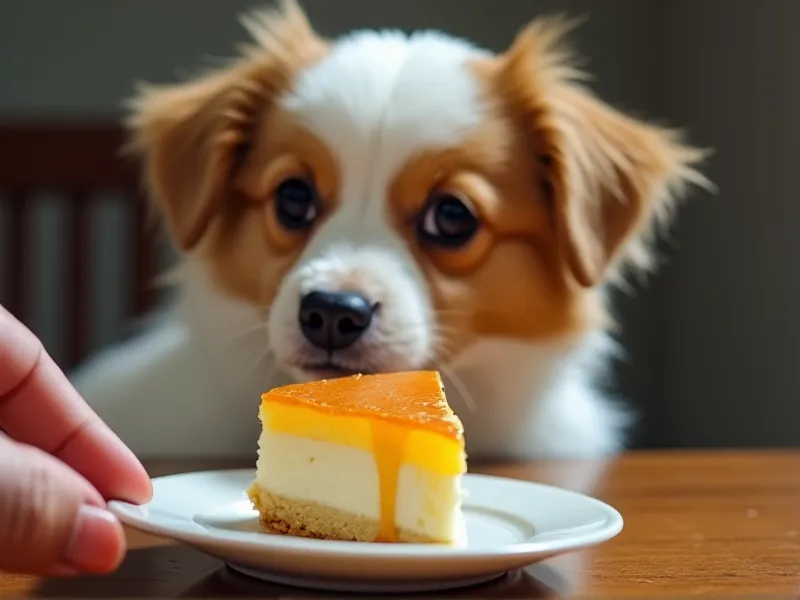
Table of Contents
- What Is Tres Leches Cake?
- Can Dogs Eat Tres Leches? The Short Answer
- Potential “Benefits”: Are There Any Upsides?
- The Risks: Why Tres Leches Is Harmful to Dogs
- If Your Dog Ate Tres Leches: What to Do Next
- Healthier Alternatives to Tres Leches for Dogs
- FAQ: Common Questions About Dogs and Tres Leches
- Conclusion: Prioritize Your Pup’s Health
What Is Tres Leches Cake?
Before diving into whether dogs can eat it, let’s clarify what tres leches cake is. A staple in Latin American cuisine (popular in Mexico, Venezuela, and beyond), this dessert translates to “three milks cake.” It starts with a light, fluffy sponge cake made from flour, eggs, sugar, and vanilla. Once baked, the cake is pierced all over and soaked in a mixture of three types of milk: evaporated milk, condensed milk, and whole milk (or sometimes heavy cream). The result is a moist, sweet, and creamy treat, often topped with whipped cream, cinnamon, or fresh fruit.
At its core, tres leches is a sugar-dense, dairy-heavy dessert. A single slice can contain upwards of 30 grams of sugar (more than a can of soda!) and significant amounts of lactose, making it a indulgence for humans—and a potential hazard for dogs.
Can Dogs Eat Tres Leches? The Short Answer
No, dogs should not eat tres leches cake. While it might seem harmless, the dessert’s key ingredients—sugar, lactose, and often additional additives—pose serious risks to your dog’s health. From upset stomachs to long-term issues like obesity or diabetes, tres leches offers no nutritional benefit worth these dangers. Let’s unpack why.
Potential “Benefits”: Are There Any Upsides?
You might think, “But milk has calcium and protein—isn’t that good for dogs?” It’s true: dairy products like milk do contain nutrients like calcium (for bones), protein (for muscle health), and potassium (for heart function). However, these “benefits” are negligible in tres leches, and they’re far overshadowed by the dessert’s downsides.
For example:
- Calcium/Protein: A small bite of tres leches contains only trace amounts of these nutrients—nowhere near enough to contribute to your dog’s diet. Your pup already gets plenty of calcium and protein from their balanced dog food.
- Potassium: While milk has potassium, so do safer, dog-friendly foods like bananas or sweet potatoes—without the sugar or lactose.
In short, any nutrients in tres leches are not worth the risks. You’re better off skipping the cake and offering your dog a healthier source of these vitamins.
The Risks: Why Tres Leches Is Harmful to Dogs
To understand why tres leches is unsafe, let’s break down its ingredients and their effects on dogs:
1. Sugar Overload
Tres leches is loaded with sugar—from the cake batter (which is often sweetened with granulated sugar) to the condensed milk (a high-sugar, concentrated dairy product). Dogs have no biological need for added sugar, and their bodies are not equipped to process large amounts of it.
- Short-term risks: A sugar spike can cause hyperactivity, followed by a crash (lethargy). In some cases, it may even lead to vomiting or diarrhea as the body tries to expel excess sugar.
- Long-term risks: Regular sugar intake (even in small amounts) increases your dog’s risk of obesity, type 2 diabetes, and dental disease (cavities and gum inflammation). According to the American Kennel Club (AKC), obesity affects over 50% of dogs in the U.S., and sugary treats are a leading contributor.
2. Lactose Intolerance
Most dogs are lactose intolerant. Unlike humans (who often retain the ability to digest lactose into adulthood), dogs typically lose their lactase enzyme (which breaks down lactose) after weaning. This means their bodies can’t properly digest the lactose in milk, leading to gastrointestinal distress.
Symptoms of lactose intolerance in dogs include:
- Gas and bloating
- Diarrhea (sometimes severe)
- Vomiting
- Stomach cramps
Tres leches’ “three milks” are all high in lactose, making this a major risk. Even a small slice could leave your pup uncomfortable for hours (or days).
3. Hidden Toxic Ingredients
While traditional tres leches doesn’t contain toxic ingredients, many homemade or store-bought versions add extras that are dangerous for dogs. Common culprits include:
- Chocolate: Some recipes top tres leches with chocolate shavings or a chocolate drizzle. Chocolate contains theobromine, which is toxic to dogs and can cause seizures, heart failure, or death.
- Raisins/Currants: A handful of raisins might seem like a “healthy” topping, but they’re toxic to dogs and can lead to kidney failure.
- Xylitol: A sugar substitute sometimes used in “low-sugar” desserts. Xylitol causes a rapid insulin release in dogs, leading to life-threatening hypoglycemia (low blood sugar).
Even if your tres leches is “plain,” the sugar and lactose alone make it unsafe.
4. Choking Hazard
The dense, moist texture of tres leches cake can pose a choking risk, especially for small dogs or those who gulp food without chewing. A chunk of cake could get stuck in your dog’s throat, blocking their airway.
If Your Dog Ate Tres Leches: What to Do Next
Accidents happen! If your dog snuck a slice (or even a lick) of tres leches, stay calm—but don’t ignore it. Here’s what to do:
- Assess the amount: A tiny lick (e.g., from a spoon) is unlikely to cause harm, but a large piece (or an entire slice) could lead to issues.
- Check for toxic ingredients: Did the cake contain chocolate, raisins, or xylitol? If yes, call your vet or an emergency animal hospital immediately—these are life-threatening.
- Monitor for symptoms: Watch for vomiting, diarrhea, excessive gas, lethargy, or loss of appetite over the next 24 hours. These are signs of lactose intolerance or sugar overload.
- When to call the vet: If your dog shows severe symptoms (e.g., persistent vomiting/diarrhea, difficulty breathing, seizures) or ate a large amount, contact your vet right away. They may recommend inducing vomiting (if done within 2 hours) or providing supportive care (like fluids for dehydration).
Healthier Alternatives to Tres Leches for Dogs
If you want to treat your pup to something creamy or sweet, skip the tres leches and opt for these dog-safe alternatives instead. They’re delicious, nutritious, and won’t upset your dog’s stomach:
1. Plain Greek Yogurt (Lactose-Free)
Greek yogurt is lower in lactose than regular milk and packed with protein and probiotics (good for gut health). Choose unsweetened, plain yogurt (no added sugar or flavorings).
- Serving size: 1–2 tablespoons for small dogs, ¼ cup for medium dogs, ½ cup for large dogs.
2. Cottage Cheese
Cottage cheese is another low-lactose dairy option, rich in protein and calcium. It’s mild and creamy, making it a hit with most dogs.
- Serving size: Same as yogurt, depending on your dog’s size.
3. Frozen Banana Slices
Bananas are naturally sweet, high in potassium, and safe for dogs. Freeze them for a cool, creamy treat that satisfies sweet cravings without added sugar.
- Serving size: 1–2 slices for small dogs, ½ banana for medium/large dogs (bananas are high in fiber, so too much can cause diarrhea).
4. Plain Pumpkin Puree
Canned pumpkin (not pie filling!) is a nutrient powerhouse: high in fiber, vitamin A, and potassium. It’s also great for upset tummies.
- Serving size: 1–2 tablespoons for small dogs, ¼ cup for medium/large dogs.
5. Homemade “Frozen Milk” Treats
For a dairy-based alternative, mix lactose-free milk with a spoonful of plain yogurt and freeze in ice cube trays. It’s creamy, low-sugar, and safe for most dogs.
FAQ: Common Questions About Dogs and Tres Leches
Q: My dog ate a small piece of tres leches—should I panic?
A: Panic won’t help, but monitor them closely. A small piece may cause mild diarrhea or gas, but severe issues are rare unless toxic ingredients are present. If symptoms worsen, call your vet.
Q: Is lactose-free milk in tres leches safer for dogs?
A: No. Even lactose-free milk is high in sugar, which is still harmful to dogs. The sugar content, not just lactose, is the problem.
Q: Can puppies eat tres leches?
A: Puppies have even more sensitive stomachs than adult dogs and are more prone to lactose intolerance. Tres leches is a big no for puppies.
Q: What if my tres leches has cinnamon? Is that toxic?
A: Small amounts of cinnamon are not toxic to dogs, but large doses can irritate their mouths or cause low blood sugar. It’s best to avoid it, but a sprinkle is unlikely to harm your pup.
Q: Are there any “dog-safe” versions of tres leches I can make?
A: While you could swap sugar for xylitol-free sweeteners and use lactose-free milk, the dessert would still be high in empty calories and offer no nutritional benefit. Stick to the alternatives above instead!
Conclusion: Prioritize Your Pup’s Health
At the end of the day, tres leches cake is a human treat—not a dog treat. While it’s tempting to share a bite with your begging pup, the risks (sugar overload, lactose intolerance, hidden toxins) far outweigh any fleeting joy. Instead, opt for safe, nutritious alternatives like yogurt, banana slices, or pumpkin puree—your dog will love them, and you’ll have peace of mind knowing you’re keeping them healthy.
As always, if you have questions about your dog’s diet, consult your vet. They can help you choose treats that align with your pup’s age, size, and health needs.
Your dog’s wagging tail and happy, healthy life are worth skipping the slice.
Woof to that!
References
- American Kennel Club (AKC). “Can Dogs Eat Dairy?” akc.org
- ASPCA Animal Poison Control. “Toxic and Non-Toxic Plants and Foods.” aspca.org
- Cummings School of Veterinary Medicine at Tufts University. “Sugar and Dogs: Risks of Excess Sugar in Pet Diets.” tuftscvm.org
- PetMD. “Lactose Intolerance in Dogs.” petmd.com