· 9 min read
Can Dogs Eat Tostitos? A Pet Parent’s Guide to Sharing Snacks Safely
It’s movie night, and you’re curled up on the couch with a bowl of salty, crispy Tostitos. Suddenly, a wet nose nudges your hand, and big, soulful eyes lock onto your snack. Your dog’s tail thumps gently—they want a chip, too. We’ve all been there: the urge to share our favorite treats with our furry friends is real. But when it comes to Tostitos, is it safe to give in?
In this guide, we’ll break down everything you need to know about dogs and Tostitos, from the risks and (minimal) benefits to healthier alternatives. Let’s dive in!
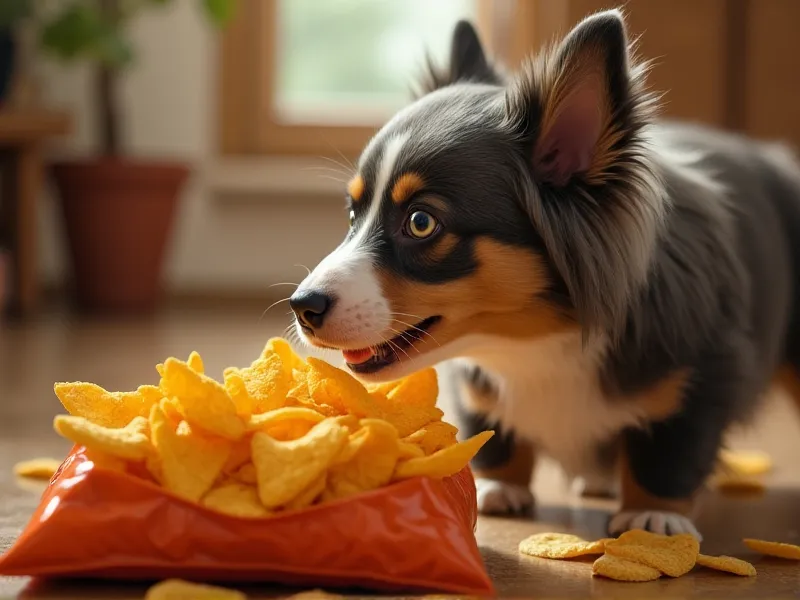
Table of Contents
- Can Dogs Eat Tostitos? The Short Answer
- What Are Tostitos, Anyway?
- Potential “Benefits” of Tostitos for Dogs (Spoiler: They’re Minimal)
- Risks of Feeding Tostitos to Dogs: Why They’re Not Ideal
- How Much Tostitos Can Dogs Eat? (If Any)
- Healthier Alternatives to Tostitos for Dogs
- FAQ: Your Tostitos and Dog Questions Answered
- Conclusion: Prioritize Your Dog’s Health Over the Snack Temptation
- References
Can Dogs Eat Tostitos? The Short Answer
Let’s cut to the chase: Technically, a single plain Tostito chip is unlikely to harm most healthy dogs, but Tostitos are not a safe or healthy snack for your pup. They’re high in salt, often contain artificial additives, and pose choking or digestive risks. In short: It’s better to skip sharing your chips and opt for dog-friendly treats instead.
What Are Tostitos, Anyway?
Before we weigh the pros and cons, let’s clarify what Tostitos actually are. Tostitos are a brand of corn tortilla chips produced by Frito-Lay. They’re made from masa harina (ground corn), oil (usually vegetable or corn oil), and salt, with additional flavorings for varieties like Nacho Cheese, Cool Ranch, or Scoops! (the bowl-shaped chips for dips).
While the “original” flavor is the simplest, even that basic chip isn’t designed with canine nutrition in mind. Dogs have different dietary needs than humans, and snacks like Tostitos can disrupt their balanced diet.
Potential “Benefits” of Tostitos for Dogs (Spoiler: They’re Minimal)
You might be thinking, “But corn is a common ingredient in dog food—so aren’t Tostitos just… corn chips?” While it’s true that corn can be part of a balanced dog diet (as a source of fiber and energy), Tostitos are a far cry from the whole, unprocessed corn found in quality dog foods. Let’s break down the possible upsides (and why they don’t matter):
1. Fiber (But Not Enough to Matter)
Corn contains dietary fiber, which helps support digestion in dogs. However, Tostitos are highly processed: The corn is ground into masa, fried, and stripped of most nutrients. A single chip has less than 1 gram of fiber—hardly enough to make a difference in your dog’s diet.
2. Potassium (Trace Amounts)
Corn also has small amounts of potassium, an electrolyte that supports heart and muscle function. But again, the amount in a Tostito is negligible. Your dog gets plenty of potassium from their regular food (think: meats, sweet potatoes, bananas).
3. “Taste” (But at What Cost?)
Dogs might find Tostitos salty and crunchy, which can be appealing. But “taste” isn’t a nutritional benefit—and the risks of feeding them far outweigh the momentary joy of a shared snack.
Risks of Feeding Tostitos to Dogs: Why They’re Not Ideal
Now, let’s get to the real concern: the risks. Tostitos may seem harmless, but they can cause serious issues for dogs, even in small quantities. Here’s what to watch out for:
1. High Sodium: A Hidden Danger
Salt is the biggest red flag. The average Tostito chip contains about 10-15 mg of sodium. That might not sound like much, but dogs need very little salt in their diet. According to the American College of Veterinary Nutrition, adult dogs should consume no more than 100 mg of sodium per 100 calories of food. For a 30-pound dog eating 600 calories a day, that’s a max of 600 mg of sodium total—including their regular meals.
If your dog eats just 10 Tostito chips, they could consume 100-150 mg of sodium—up to 25% of their daily limit! Too much salt can lead to:
- Thirst and excessive urination (your dog may drink more water to flush out the salt).
- Sodium ion poisoning (in severe cases), which causes vomiting, diarrhea, tremors, seizures, or even death. Small dogs (like Chihuahuas or Yorkies) are especially at risk, as their bodies can’t process excess salt as efficiently.
2. Artificial Flavors, Colors, and Additives
Flavored Tostitos (Nacho Cheese, Cool Ranch, etc.) are even riskier. They contain artificial flavors, colors (like Yellow 6 or Red 40), and preservatives. While the FDA deems these safe for humans, dogs may react differently. Some artificial additives have been linked to:
- Allergic reactions (itching, hives, swelling).
- Digestive upset (gas, diarrhea, or vomiting).
- Long-term health issues (though research in dogs is limited, avoiding unnecessary additives is always safer).
3. Choking and Dental Risks
Tostitos are hard, crispy, and can break into sharp pieces—especially the “Scoops!” variety, which have a rigid, bowl-like shape. These fragments can lodge in your dog’s throat, causing choking. They can also scratch the inside of their mouth or damage teeth, especially in puppies or senior dogs with sensitive gums.
4. Digestive Upset
The combination of salt, oil, and processed carbs in Tostitos can irritate your dog’s stomach. Dogs have shorter digestive tracts than humans, and high-fat, salty snacks can lead to:
- Gas and bloating.
- Diarrhea or constipation.
- Pancreatitis (in severe cases). Pancreatitis is a painful inflammation of the pancreas, often triggered by high-fat foods. Symptoms include vomiting, lethargy, and loss of appetite—and it can be life-threatening.
5. Garlic or Onion Powder (In Some Flavors)
This is a critical point: Some flavored Tostitos (like certain “spicy” or “salsa” varieties) may contain garlic or onion powder. Garlic and onions are toxic to dogs, even in small amounts. They damage red blood cells, leading to anemia, weakness, and organ failure. Always check the ingredient list—but when in doubt, assume flavored chips are off-limits.
How Much Tostitos Can Dogs Eat? (If Any)
Let’s say your dog manages to sneak a chip off the coffee table—should you panic? Probably not. A single plain Tostito is unlikely to cause harm to a healthy adult dog. But that doesn’t mean it’s okay to make it a habit.
Here’s a general guideline:
- Small dogs (under 20 lbs): Avoid entirely. Even 1-2 chips can cause salt overload or digestive upset.
- Medium dogs (20-50 lbs): A single plain chip very occasionally (like once every few months) is probably safe, but not recommended.
- Large dogs (over 50 lbs): 1-2 plain chips once in a blue moon is unlikely to hurt them, but again—why risk it?
If your dog eats more than a few chips (or a whole bag!), monitor them closely for symptoms like vomiting, diarrhea, excessive thirst, or lethargy. Contact your vet immediately if you notice any red flags.
Healthier Alternatives to Tostitos for Dogs
Instead of sharing Tostitos, treat your dog to these safe, nutritious snacks that satisfy their crunch craving:
1. Plain, Unsalted Corn Tortillas
Skip the fried, salty chips and opt for a small piece of uncooked, unsalted corn tortilla. It’s softer, lower in fat, and has no added salt—plus, it’s just as crunchy (when dried out a bit).
2. Air-Popped Popcorn (No Salt or Butter)
Popcorn is a low-calorie, high-fiber snack for dogs—just make sure it’s air-popped, plain, and free of butter, salt, or flavorings. Avoid unpopped kernels (choking hazard!).
3. Carrot Sticks
Crunchy, sweet, and packed with vitamins (like vitamin A for eye health), carrots are a classic dog favorite. They’re low in calories and great for dental health (chewing carrots helps scrape plaque!).
4. Cucumber Slices
Cool, hydrating, and low in calories, cucumber is perfect for hot days or dogs watching their weight. Plus, it’s crunchy—dogs love the texture!
5. Green Beans (Steamed or Raw)
Green beans are high in fiber and vitamins (like vitamin K and C) and low in calories. Serve them raw or lightly steamed (no salt or seasonings).
6. Apple Slices (No Seeds!)
Apples are a sweet, crunchy treat rich in fiber and antioxidants. Just remove the seeds (they contain trace amounts of cyanide) and core first.
FAQ: Your Tostitos and Dog Questions Answered
Q: Can dogs eat Tostitos with salsa?
A: No. Salsa typically contains onions, garlic, tomatoes (which are toxic in large amounts), spices, and salt—all of which are bad for dogs. Even a small dip of salsa on a chip is risky.
Q: Are baked Tostitos better than fried ones?
A: Baked Tostitos have less fat than fried ones, but they’re still high in salt and processed. They’re a slightly better option, but still not safe or healthy for dogs.
Q: My dog ate a whole bag of Tostitos—what should I do?
A: Call your vet immediately. A whole bag is likely to cause salt poisoning, pancreatitis, or severe digestive upset, especially in small dogs. Be prepared to tell them your dog’s weight, the type of Tostitos (flavor, size), and when they ate them.
Q: Can puppies eat Tostitos?
A: No. Puppies have sensitive digestive systems and are more prone to choking. Their bodies also can’t process salt as efficiently as adult dogs. Stick to puppy-safe treats like softened kibble or plain yogurt.
Q: Are there any “safe” Tostitos flavors?
A: The “original” flavor is the least risky, but it still has salt and oil. No Tostitos flavor is truly “safe” for dogs—even the plain ones.
Conclusion: Prioritize Your Dog’s Health Over the Snack Temptation
It’s hard to resist those puppy-dog eyes when you’re munching on Tostitos, but remember: Your dog’s health is worth more than a momentary snack. Tostitos are high in salt, processed, and pose unnecessary risks—from choking to pancreatitis.
Instead of sharing your chips, bond with your dog over a walk, play session, or a healthy treat like carrot sticks or apple slices. And if you’re ever unsure about a human food, always consult your vet first.
After all, a happy, healthy dog is the best snack of all.
References
- American Society for the Prevention of Cruelty to Animals (ASPCA). (n.d.). People Foods to Avoid Feeding Your Pets. https://www.aspca.org/pet-care/animal-poison-control/people-foods-avoid-feeding-your-pets
- American College of Veterinary Nutrition (ACVN). (2020). Nutrition FAQs for Pet Owners. https://acvn.org/nutrition-faqs/
- PetMD. (2023). Salt Poisoning in Dogs. https://www.petmd.com/dog/conditions/toxicity/salt-poisoning-dogs
- FDA. (2022). Feeding Your Pet: Advice for Pet Owners. https://www.fda.gov/animal-veterinary/health-wellness/feeding-your-pet-advice-pet-owners
- VCA Hospitals. (n.d.). Pancreatitis in Dogs. https://vcahospitals.com/know-your-pet/pancreatitis-in-dogs