· 8 min read
Can Dogs Eat Tomatoes? A Pet Parent’s Guide to Safe Snacking
You’re slicing into a ripe, sun-warmed tomato for your summer salad when you feel a wet nose nudge your hand. Your dog, tail wagging, stares up at you with that “please share” look—we’ve all been there. Sharing snacks is one of the simple joys of pet parenthood, but when it comes to human foods, it’s natural to wonder: Is this safe for my pup? Today, we’re diving into the juicy details about tomatoes and dogs: Are they a healthy treat, a hidden hazard, or something in between? Let’s find out.
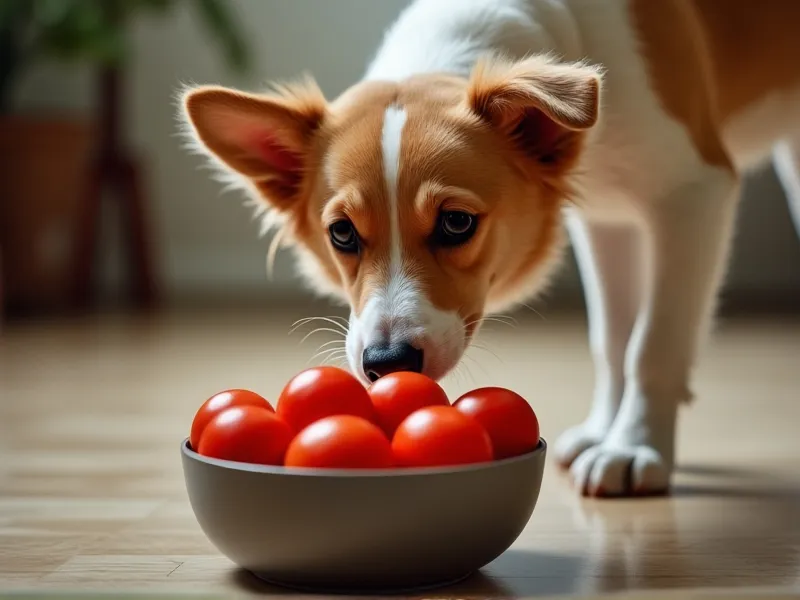
Table of Contents
- Can Dogs Eat Tomatoes? The Short Answer
- The Benefits of Tomatoes for Dogs (Yes, There Are Some!)
- The Risks: Why Tomatoes Might Not Be Ideal for Every Pup
- How Much Tomato Can Dogs Safely Eat? Guidelines for Pet Parents
- Healthier Alternatives to Tomatoes for Your Dog
- FAQ: Your Tomato Questions Answered
- Conclusion: Tomatoes in Moderation = Happy Pup
- References
Can Dogs Eat Tomatoes? The Short Answer
Let’s cut to the chase: Yes, dogs can eat ripe tomatoes in small, occasional amounts. Ripe tomatoes are non-toxic and even offer some nutritional benefits. However, there’s a big caveat: unripe (green) tomatoes, stems, and leaves are toxic to dogs because they contain a substance called solanine, a glycoalkaloid found in nightshade plants (like potatoes and eggplants) that can cause gastrointestinal upset and, in severe cases, neurological issues.
So, the key here is ripeness and portion control. A slice of ripe, red tomato as an occasional treat? Probably fine. A whole green tomato or a bowl of tomato leaves?绝对不行 (Absolutely not).
The Benefits of Tomatoes for Dogs (Yes, There Are Some!)
Before we dive into the risks, let’s highlight why a tiny bit of ripe tomato might not be all bad. Tomatoes are packed with vitamins and minerals that can support your dog’s health—when fed responsibly. Here’s what they bring to the table:
1. Essential Vitamins
- Vitamin A: Supports eye health, immune function, and healthy skin/coat.
- Vitamin C: An antioxidant that boosts the immune system and helps fight inflammation.
- Vitamin E: Another antioxidant that protects cells from damage and supports muscle health.
2. Fiber for Digestive Health
Tomatoes contain soluble and insoluble fiber, which can help regulate your dog’s digestion. A little fiber goes a long way in keeping their gut happy—think regular bowel movements and a healthy gut microbiome.
3. Potassium for Heart and Muscle Function
Potassium is crucial for maintaining healthy heart rhythm, muscle contraction, and fluid balance. Ripe tomatoes have a small but notable amount of this electrolyte, which complements your dog’s regular diet.
4. Low-Calorie Treat Option
Compared to many commercial dog treats (which can be high in calories and fillers), ripe tomatoes are low in calories (about 18 calories per 100g). This makes them a lighter option for dogs watching their weight—as long as they’re fed in moderation.
The Risks: Why Tomatoes Might Not Be Ideal for Every Pup
While ripe tomatoes have benefits, they’re not without risks—especially if fed incorrectly or in large quantities. Let’s break down the potential downsides:
1. Solanine Toxicity (Unripe Tomatoes, Stems, Leaves)
As mentioned earlier, unripe green tomatoes, stems, and leaves contain solanine. Solanine is toxic to dogs because it interferes with nerve function and can cause:
- Gastrointestinal issues: Vomiting, diarrhea, abdominal pain.
- Neurological symptoms: Lethargy, weakness, tremors, or (in severe cases) seizures.
Thankfully, ripe red tomatoes have very low solanine levels (almost undetectable), so the risk here is minimal if you stick to fully ripened fruit.
2. Sugar Content
While tomatoes aren’t as sugary as, say, grapes or bananas, they do contain natural sugars (about 2.6g per 100g). For dogs with diabetes or obesity, even small amounts of sugar can spike blood glucose levels or contribute to weight gain. Always check with your vet before feeding tomatoes to a dog with these conditions.
3. Stomach Upset from Overfeeding
Tomatoes are slightly acidic, and too much acid can irritate your dog’s stomach, leading to vomiting, diarrhea, or gas—especially if your pup isn’t used to them. Even fiber, which is good in small doses, can cause digestive upset if overdone.
4. Choking Hazard
Whole tomatoes (especially small cherry tomatoes) can pose a choking risk, especially for small dogs or dogs who gulp their food. Always chop tomatoes into bite-sized pieces to prevent this!
How Much Tomato Can Dogs Safely Eat? Guidelines for Pet Parents
If you want to share a tomato slice with your pup, follow these rules to keep them safe:
1. Stick to Ripe, Red Tomatoes
Only feed fully ripened tomatoes—no green parts, stems, or leaves. Check that the tomato is firm but yielding, with a bright red color (no brown spots or mold).
2. Portion Size Matters
Tomatoes should never replace your dog’s regular, balanced diet. Treats (including tomatoes) should make up no more than 10% of your dog’s daily calorie intake. As a general rule:
- Small dogs (under 20 lbs): 1–2 small slices (about 1–2 tablespoons chopped).
- Medium dogs (20–50 lbs): 3–4 slices (about 3–4 tablespoons chopped).
- Large dogs (50+ lbs): ¼ cup chopped.
3. Introduce Slowly
If your dog has never had tomatoes before, start with a tiny piece (like half a slice) and monitor them for 24 hours. If they show no signs of stomach upset (vomiting, diarrhea, gas), you can gradually offer a bit more.
4. Avoid Seasonings or Additives
Never feed your dog tomatoes that have been seasoned with salt, garlic, onions, or spices. These ingredients are toxic to dogs (garlic and onions, for example, can cause anemia). Plain, raw, or cooked (without added ingredients) tomatoes only!
Healthier Alternatives to Tomatoes for Your Dog
If you’re hesitant to feed tomatoes, or if your dog has a sensitive stomach, there are plenty of safer, more nutrient-dense treats to choose from. Here are our top picks:
1. Carrots
Crunchy, low-calorie, and packed with vitamin A—carrots are a favorite for dogs. They’re great for dental health (chewing helps scrape plaque!) and safe for all dogs, including diabetics.
2. Blueberries
These tiny superfoods are loaded with antioxidants, fiber, and vitamin C. They’re low in sugar and calories, making them perfect for training treats or a refreshing summer snack.
3. Green Beans
Fresh or frozen (thawed) green beans are high in fiber and low in calories. They’re a great way to add bulk to your dog’s diet without extra calories—ideal for weight management.
4. Cucumber
Cucumbers are 96% water, making them a hydrating, low-calorie treat (great for hot days!). They’re also low in sugar and fiber, so they’re gentle on sensitive stomachs.
FAQ: Your Tomato Questions Answered
Q: Can puppies eat tomatoes?
A: Yes, but in very small amounts. Puppies have sensitive stomachs, so start with a tiny piece (like 1 teaspoon chopped) and watch for digestive upset. Avoid if your puppy has a history of stomach issues.
Q: My dog ate a green tomato! What should I do?
A: If your dog ate a small amount (like a bite), monitor them for 24 hours for vomiting, diarrhea, or lethargy. If they ate a large amount or show symptoms, contact your vet immediately—solanine toxicity can be serious.
Q: Are cherry tomatoes safe for dogs?
A: Ripe cherry tomatoes are safe, but cut them in half to prevent choking (especially for small dogs). Stick to 1–2 halved cherry tomatoes for small pups, 3–4 for medium dogs, etc.
Q: Can dogs eat tomato sauce or ketchup?
A: No. Tomato sauce and ketchup often contain garlic, onions, salt, or sugar—all of which are harmful to dogs. Even “no-salt-added” sauces may have other toxic ingredients, so skip the condiments!
Q: My dog has diabetes. Can they eat tomatoes?
A: Consult your vet first. Tomatoes have natural sugar, which can affect blood glucose levels. Your vet can help you decide if a tiny amount is safe as an occasional treat.
Conclusion: Tomatoes in Moderation = Happy Pup
So, can dogs eat tomatoes? The answer is a qualified yes—ripe tomatoes are safe in small, occasional amounts, and they even offer some nutritional perks. But as with any human food, moderation is key. Avoid unripe tomatoes, stems, and leaves, chop them into small pieces, and never let them replace your dog’s balanced diet.
If you’re unsure whether tomatoes are right for your pup (especially if they have health issues like diabetes or digestive sensitivities), always check with your vet. After all, every dog is unique!
At the end of the day, sharing a tomato slice with your dog is a small way to bond—but there are plenty of safer, more nutritious treats out there if you’d rather play it safe. Here’s to keeping our furry friends happy, healthy, and (occasionally!) tomato-topped.
References
- American Society for the Prevention of Cruelty to Animals (ASPCA). (n.d.). Toxic and Non-Toxic Plants: Tomato. https://www.aspca.org/pet-care/animal-poison-control/toxic-and-non-toxic-plants/tomato
- PetMD. (2022). Can Dogs Eat Tomatoes? Are Tomatoes Safe for Dogs? https://www.petmd.com/dog/nutrition/can-dogs-eat-tomatoes
- VCA Hospitals. (n.d.). Solanine Poisoning in Dogs. https://vcahospitals.com/know-your-pet/solanine-poisoning-in-dogs
- American Kennel Club (AKC). (2023). Can Dogs Eat Tomatoes? https://www.akc.org/expert-advice/nutrition/can-dogs-eat-tomatoes/