· 7 min read
Can Dogs Eat Cooked Tomatoes? A Pet Parent’s Guide to Safe Snacking
Picture this: You’re simmering a pot of fresh tomato soup on a chilly afternoon, or tossing roasted tomatoes into a salad. Your dog—let’s call her Bella—sits at your feet, tail wagging, nose twitching at the savory aroma. You pause, spoon in hand: “Can I share a little with her?” It’s a common question for pet parents: Are cooked tomatoes safe for dogs?
Tomatoes are a staple in human diets, packed with vitamins and flavor. But when it comes to our furry friends, not all human foods are created equal. In this guide, we’ll break down the facts: whether cooked tomatoes are safe, their potential benefits, hidden risks, and how to serve them (if at all) responsibly. Let’s dive in!
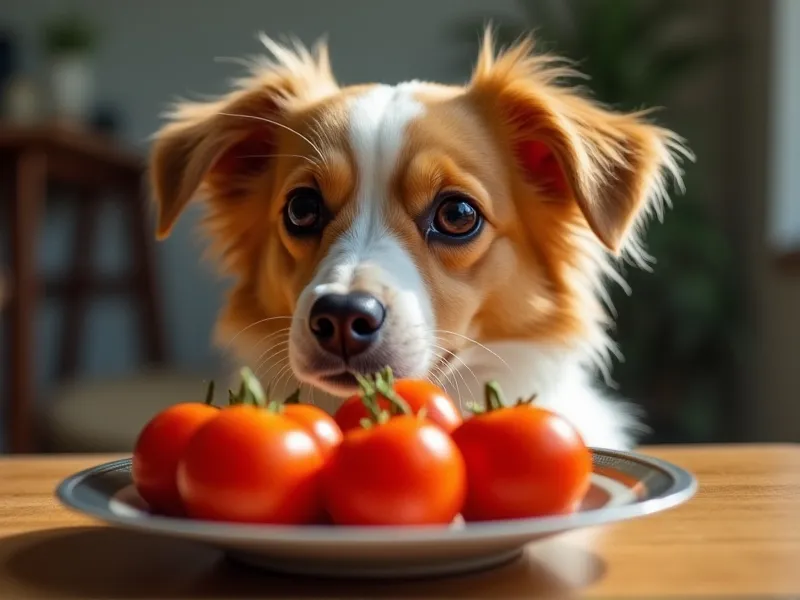
Table of Contents
- Can Dogs Eat Cooked Tomatoes? The Short Answer
- Nutritional Benefits of Cooked Tomatoes for Dogs
- Potential Risks of Cooked Tomatoes for Dogs
- How Much Cooked Tomato Can Dogs Safely Eat?
- Healthier Alternatives to Cooked Tomatoes
- FAQ: Your Top Questions Answered
- Conclusion
Can Dogs Eat Cooked Tomatoes? The Short Answer
Yes, dogs can eat cooked tomatoes in moderation—but with important caveats.
Ripe, cooked tomatoes are generally safe for most dogs, as they contain fewer harmful compounds than raw or unripe (green) tomatoes. However, raw green tomatoes, stems, and leaves contain solanine, a toxic alkaloid that can cause gastrointestinal upset or worse in large amounts. Cooked ripe tomatoes, on the other hand, have minimal solanine and can even offer some nutritional perks.
The key here is “plain, cooked, and ripe.” Avoid tomatoes cooked with onions, garlic, salt, sugar, or spices—these additives are often toxic or unhealthy for dogs. Let’s unpack the details.
Nutritional Benefits of Cooked Tomatoes for Dogs
Cooked tomatoes aren’t just a tasty treat—they’re also packed with nutrients that can support your dog’s health, when served correctly. Here’s what makes them a (moderately) good choice:
1. Lycopene: The Antioxidant Powerhouse
Lycopene is a carotenoid antioxidant found in tomatoes, and cooking increases its availability (raw tomatoes have less). For dogs, lycopene may support heart health by reducing inflammation and protecting cells from damage. A 2018 study in The Journal of Nutrition noted that lycopene’s antioxidant properties could benefit aging dogs, though more research is needed specifically on canine health.
2. Vitamins for Overall Wellness
Cooked tomatoes are rich in:
- Vitamin A: Supports eye health, immune function, and skin/coat condition.
- Vitamin C: Boosts immunity and collagen production (important for joints and tissue repair).
- Vitamin K: Aids blood clotting and bone health.
3. Fiber for Digestive Health
Tomatoes contain soluble and insoluble fiber, which helps regulate digestion. A small amount can ease constipation or support gut motility—great for dogs prone to digestive upsets (in moderation, of course!).
4. Potassium for Electrolyte Balance
Potassium is essential for muscle function, nerve signaling, and maintaining healthy blood pressure. Cooked tomatoes offer a natural source of this mineral, though dogs typically get enough from balanced commercial dog food.
Pro tip: For maximum nutrient absorption, serve tomatoes cooked (steamed, boiled, or roasted) and mashed or chopped into small pieces.
Potential Risks of Cooked Tomatoes for Dogs
While cooked ripe tomatoes are generally safe, they’re not without risks—especially if served improperly or in excess. Here’s what to watch for:
1. Solanine: The Green Tomato Threat
Raw, unripe (green) tomatoes, stems, and leaves contain solanine, a toxic glycoalkaloid. Solanine can cause vomiting, diarrhea, lethargy, or even seizures in large doses. Good news: Cooking ripe red tomatoes significantly reduces solanine levels (ripeness matters!). Always avoid feeding green or raw tomatoes—stick to fully ripe, cooked ones.
2. Added Sugars and Seasonings
Most “cooked tomatoes” we eat (think pasta sauce, ketchup, or canned tomatoes) are loaded with additives: sugar, salt, garlic, onion, or herbs like oregano. Onion and garlic are toxic to dogs (they damage red blood cells), while excess sugar/salt can lead to obesity, diabetes, or kidney issues. Only feed plain, unseasoned cooked tomatoes—no sauces, dips, or flavored varieties.
3. Stomach Upset from Overindulgence
Tomatoes are acidic. Too much can irritate your dog’s stomach, leading to diarrhea, vomiting, or gas. This is especially true for small dogs or those with sensitive tummies.
4. Choking Hazard
Large chunks of tomato can pose a choking risk, especially for small breeds. Always chop cooked tomatoes into bite-sized pieces to prevent accidents.
5. Risks for Dogs with Health Conditions
- Diabetes: Tomatoes contain natural sugars (about 2.6g per 100g). Dogs with diabetes should avoid them, as even small amounts can spike blood sugar.
- Kidney disease: High potassium levels (from tomatoes) may worsen kidney issues, as impaired kidneys can’t filter excess potassium.
- Gastroesophageal reflux (GERD): The acidity in tomatoes can exacerbate reflux symptoms.
How Much Cooked Tomato Can Dogs Safely Eat?
“Moderation” is the golden rule. Treats (including tomatoes) should make up no more than 10% of your dog’s daily calories. Here’s a general guide based on size:
| Dog Size | Safe Serving (Plain Cooked Tomato) |
|---|---|
| Small (e.g., Chihuahua, Yorkie) | 1–2 tablespoons, mashed or chopped |
| Medium (e.g., Beagle, Cocker Spaniel) | 2–4 tablespoons, chopped |
| Large (e.g., Labrador, German Shepherd) | 4–6 tablespoons, chopped |
| Giant (e.g., Great Dane, Mastiff) | 6–8 tablespoons, chopped |
Pro tip: Start with a tiny amount (1–2 teaspoons) the first time. Monitor for 24 hours—if your dog shows no signs of upset (diarrhea, vomiting, or lethargy), you can gradually increase the serving (within the limits above).
Healthier Alternatives to Cooked Tomatoes
If you’re hesitant to feed tomatoes, or your dog has health issues, these alternatives offer similar nutrients with fewer risks:
1. Carrots
Crunchy, low-calorie, and packed with vitamin A (great for vision) and fiber. Steam or roast them for a tasty, safe snack.
2. Blueberries
A superfood rich in antioxidants (like lycopene), vitamin C, and fiber. They’re low in sugar and perfect for training treats.
3. Green Beans
High in fiber, vitamin K, and iron—plus, they’re low in calories. Steamed green beans make a crunchy, satisfying snack for weight-conscious dogs.
4. Pumpkin (Plain, Canned)
Loaded with fiber (supports digestion) and beta-carotene (vitamin A). Great for dogs with diarrhea or constipation (1–2 tablespoons for small dogs, up to ½ cup for large breeds).
5. Sweet Potatoes
Cooked sweet potatoes are rich in vitamins A, C, and fiber. They’re naturally sweet (dogs love them!) and easier to digest than tomatoes for sensitive tummies.
FAQ: Your Top Questions Answered
Q: Is lycopene safe for dogs?
A: Yes! Lycopene (found in cooked tomatoes) is non-toxic and may offer antioxidant benefits. Just avoid overdoing it—stick to small portions.
Q: Can dogs eat sun-dried tomatoes?
A: No. Sun-dried tomatoes are highly concentrated, with added salt, sugar, or preservatives. They’re also tough and pose a choking risk.
Q: My dog ate a raw green tomato—what should I do?
A: Monitor for symptoms: vomiting, diarrhea, lethargy, or weakness. If they appear, contact your vet immediately. Small amounts may cause mild upset, but large doses require medical attention.
Q: Can puppies eat cooked tomatoes?
A: Puppies (over 6 months) can try small amounts of plain cooked tomatoes, but their tummies are sensitive. Introduce slowly and watch for reactions. Avoid feeding to very young puppies (under 6 months), as their digestive systems are still developing.
Q: Are cherry tomatoes safer than regular tomatoes?
A: Cherry tomatoes are safe if ripe, cooked, and plain. However, their small size can still pose a choking risk—chop them first!
Conclusion
Cooked ripe tomatoes can be a safe, nutrient-packed treat for dogs—when served plain, in moderation, and chopped into small pieces. They offer vitamins, fiber, and antioxidants, but avoid green/raw tomatoes, sauces, or excess portions.
As with any new food, consult your vet first—especially if your dog has diabetes, kidney issues, or a sensitive stomach. And remember: treats should never replace a balanced dog food diet.
So, next time Bella begs for a bite of your roasted tomato salad? Go ahead—offer a tiny spoonful (plain, of course). Just don’t forget the belly rubs afterward. 😊
References
- American Society for the Prevention of Cruelty to Animals (ASPCA). Toxic and Non-Toxic Plants: Tomato. aspca.org
- American Kennel Club (AKC). Can Dogs Eat Tomatoes? akc.org
- PetMD. Are Tomatoes Safe for Dogs? petmd.com
- The Journal of Nutrition. “Lycopene and Canine Health: A Review.” 2018.
Disclaimer: This article is for informational purposes only and not a substitute for veterinary advice. Always consult your vet before introducing new foods to your dog’s diet.