· 7 min read
Can Dogs Eat Tomatoes? A Pet Parent’s Guide to Safe Snacking
It’s a lazy Sunday morning, and you’re prepping a fresh caprese salad—juicy red tomatoes, creamy mozzarella, a drizzle of basil oil. Out of the corner of your eye, you spot your dog, Max, staring up at you with those big, hopeful eyes. “Just a little bite?” you wonder. “What’s the harm in sharing?” But before you toss him a slice, you pause: Can dogs eat tomatoes safely?
If you’ve ever asked this question, you’re not alone. Tomatoes are a staple in human diets, but when it comes to our four-legged friends, the answer isn’t as simple as “yes” or “no.” Let’s dive into the facts, so you can make informed choices about sharing this garden favorite with your pup.
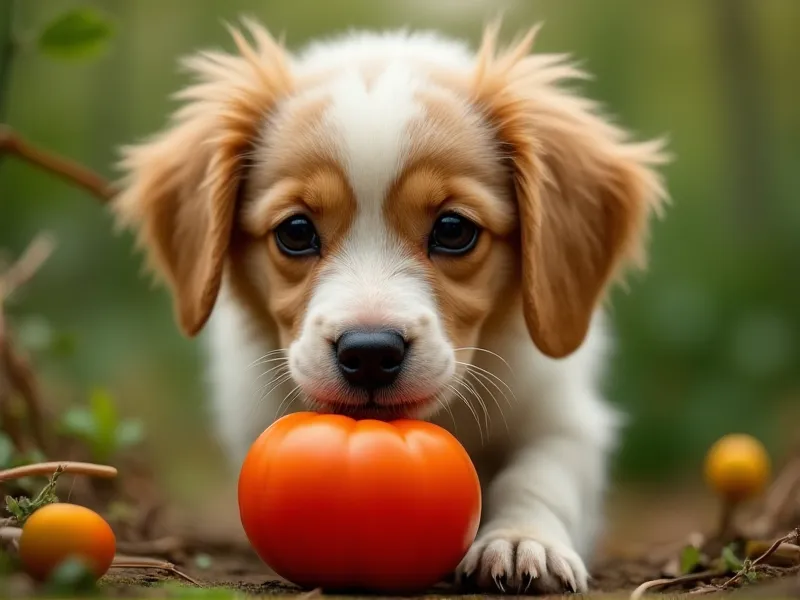
Table of Contents
- Can Dogs Eat Tomatoes? The Short Answer
- The Nutritional Benefits of Ripe Tomatoes for Dogs
- The Risks: When Tomatoes Become Dangerous for Dogs
- Safe Feeding Guidelines: How Much Tomato Can Dogs Eat?
- Healthier Alternatives to Tomatoes for Dogs
- Frequently Asked Questions (FAQ)
- Conclusion: Moderation is Key
Can Dogs Eat Tomatoes? The Short Answer
Yes, dogs can eat ripe, red tomatoes in small, occasional amounts. Ripe tomatoes are non-toxic and even offer some nutritional benefits. However, unripe (green) tomatoes, stems, leaves, and vines contain a toxic substance called solanine, which can harm your dog.
Think of tomatoes like a “sometimes food” for dogs—not a daily snack, but a safe treat when prepared correctly. Let’s break down the details.
The Nutritional Benefits of Ripe Tomatoes for Dogs
Ripe, red tomatoes are packed with vitamins, minerals, and antioxidants that can support your dog’s health—when fed in moderation. Here’s what makes them a (occasional) superfood for pups:
1. Vitamins A, C, and E: Immune & Skin Support
- Vitamin A: Essential for vision, skin health, and a strong immune system. It helps maintain your dog’s coat shine and protects against infections.
- Vitamin C: An antioxidant that fights free radicals, supports collagen production (for healthy joints), and boosts immunity. While dogs produce their own vitamin C, extra from food can aid recovery from illness or stress.
- Vitamin E: Another antioxidant that protects cells from damage, supports skin health, and may reduce the risk of chronic diseases.
2. Potassium: Heart & Muscle Health
Potassium is a mineral that regulates fluid balance, muscle contractions, and nerve function. It’s especially important for heart health—helping maintain a steady heartbeat and blood pressure.
3. Fiber: Digestive Health
Tomatoes contain soluble and insoluble fiber, which helps keep your dog’s digestive system running smoothly. Fiber can prevent constipation and support a healthy gut microbiome.
4. Lycopene: Antioxidant Powerhouse
Lycopene is the pigment that gives tomatoes their red color—and it’s a potent antioxidant. Studies in humans link lycopene to reduced heart disease risk and cancer-fighting properties. While research on dogs is limited, its antioxidant effects may support overall wellness.
The Risks: When Tomatoes Become Dangerous for Dogs
While ripe tomatoes are generally safe, there are risks to watch for—especially if fed incorrectly or in excess.
1. Solanine Toxicity (Unripe/Green Parts)
The biggest danger comes from unripe (green) tomatoes, stems, leaves, and vines. These contain solanine, a glycoalkaloid toxin that’s harmful to dogs (and humans, in large amounts).
Signs of solanine poisoning in dogs include:
- Vomiting or diarrhea
- Lethargy or weakness
- Tremors or seizures (in severe cases)
- Dilated pupils or difficulty walking
If your dog eats green tomatoes, stems, or leaves, monitor them closely. Contact your vet immediately if you notice any of these symptoms.
2. Sugar Content: Weight Gain & Diabetes Risk
Ripe tomatoes contain natural sugars (~3 grams per medium tomato). While small amounts are fine, overfeeding can lead to:
- Weight gain or obesity
- Increased risk of diabetes (especially in dogs with pre-existing conditions)
- Tooth decay (though dogs’ teeth are more resistant than humans’, sugar still isn’t ideal)
3. Stomach Upset from Too Much Fiber
While fiber is good for digestion, too much can backfire. A large helping of tomatoes may cause:
- Gas, bloating, or diarrhea
- Stomach cramps
This is especially true for dogs with sensitive stomachs or those unused to high-fiber treats.
4. Choking Hazard
Whole tomatoes (especially cherry tomatoes) or large chunks can pose a choking risk, especially for small dogs. Always chop tomatoes into bite-sized pieces to prevent choking or intestinal blockages.
Safe Feeding Guidelines: How Much Tomato Can Dogs Eat?
To keep your dog safe, follow these rules when sharing tomatoes:
1. Stick to Ripe, Red Tomatoes Only
Choose fully ripe, firm tomatoes with no green spots. Avoid bruised or moldy tomatoes—they may cause stomach upset.
2. Remove Stems, Leaves, and Vines
These parts contain solanine, so always wash the tomato and trim off all green bits before feeding.
3. Serve in Small, Occasional Portions
Tomatoes should be a treat, not a meal. As a general rule:
- Small dogs (under 20 lbs): 1–2 thin slices (or 1–2 cherry tomatoes, chopped) per week.
- Medium dogs (20–50 lbs): ¼ cup of chopped tomato per week.
- Large dogs (50+ lbs): ½ cup of chopped tomato per week.
Note: Adjust based on your dog’s activity level, weight, and health. If your dog is overweight or has diabetes, skip tomatoes altogether.
4. Avoid Seasonings or Additives
Never feed your dog tomatoes cooked with garlic, onion, salt, pepper, or butter. These ingredients are toxic (garlic/onion) or unhealthy (salt/fat) for dogs.
5. Watch for Allergies or Sensitivities
Some dogs may be allergic to tomatoes (though rare). Signs of an allergic reaction include itching, hives, or swelling. If you notice these, stop feeding tomatoes and consult your vet.
Healthier Alternatives to Tomatoes for Dogs
If you’re looking for safer, lower-sugar treats, try these dog-friendly alternatives—many offer similar benefits without the risks:
1. Carrots
- Why: Crunchy, low-calorie, and packed with vitamin A (for vision) and fiber. They’re great for dental health—chewing carrots helps scrape plaque off teeth.
2. Blueberries
- Why: Rich in antioxidants (like anthocyanins), vitamins C and K, and fiber. They’re low in sugar and perfect for small, bite-sized treats.
3. Cucumber
- Why: Hydrating (96% water), low in calories, and contains vitamins K and C. Great for hot days to keep your dog cool.
4. Pumpkin (Plain, Canned)
- Why: High in fiber (aids digestion) and beta-carotene (converts to vitamin A). Avoid pumpkin pie filling—stick to plain, unsweetened pumpkin.
5. Green Beans
- Why: Low in calories, high in fiber, and a good source of vitamins A, C, and K. Serve raw (chopped) or steamed—never canned (too much salt).
Frequently Asked Questions (FAQ)
Q: Can dogs eat cherry tomatoes?
A: Yes! Cherry tomatoes are safe in small amounts, but chop them into halves to avoid choking, especially for small dogs. Limit to 1–2 per week for small breeds, 3–4 for medium/large.
Q: Can dogs eat tomato sauce or ketchup?
A: No. Most tomato sauces, ketchup, and canned tomatoes contain garlic, onion, salt, sugar, or spices—all toxic or harmful to dogs. Even “plain” sauce may have added salt, which can lead to dehydration or kidney issues.
Q: My dog ate green tomatoes—what should I do?
A: Stay calm. If your dog ate a small amount (e.g., one green cherry tomato), monitor them for 24 hours for vomiting, diarrhea, or lethargy. If they ate a large amount or show symptoms, call your vet immediately.
Q: Are tomato plants toxic to dogs?
A: Yes. The stems, leaves, and vines of tomato plants contain solanine. Keep your dog away from garden tomato plants to prevent them from nibbling.
Q: Can dogs with kidney disease eat tomatoes?
A: Tomatoes are high in potassium, which can be dangerous for dogs with kidney disease (kidneys regulate potassium levels). Avoid tomatoes if your dog has kidney issues—ask your vet for safe alternatives.
Conclusion: Moderation is Key
So, can dogs eat tomatoes? Ripe, red tomatoes are safe in small, occasional amounts—offering vitamins, fiber, and antioxidants. But unripe tomatoes, stems, and leaves are toxic, and overfeeding can lead to stomach upset or weight gain.
As with any human food, tomatoes should never replace your dog’s balanced, vet-approved diet. Think of them as a special treat—like sharing a slice of your salad with your pup on a sunny day.
When in doubt, consult your vet. They know your dog’s health history and can help you decide if tomatoes (or any treat) are right for them.
Here’s to happy, healthy snacking with your furbaby!
References
- American Kennel Club (AKC). “Can Dogs Eat Tomatoes?” AKC.org
- ASPCA. “Toxic and Non-Toxic Plants: Tomato.” ASPCA.org
- PetMD. “Can Dogs Eat Tomatoes? Benefits & Risks.” PetMD.com
- VCA Animal Hospitals. “Human Foods Dogs Can and Can’t Eat.” VCAHospitals.com