· 9 min read
Can Dogs Eat Tomato Soup? A Pet Parent’s Guide to Risks, Benefits, and Safer Alternatives
Picture this: It’s a chilly afternoon, and you’re curled up with a warm bowl of tomato soup—rich, creamy, and packed with that classic tangy-sweet flavor. Beside you, your dog sits, tail thumping, eyes locked on your spoon. “Just a little sip?” you wonder. “What’s the harm?”
As pet parents, we’ve all been there. We want to share the things we love with our furry family members, but when it comes to human food, “safe” and “unsafe” can feel like a minefield. Tomato soup is a pantry staple, but is it something you should ever let your dog taste?
In this guide, we’ll break down the facts: the potential benefits (yes, there are a few!), the hidden risks (spoiler: most tomato soups are not dog-friendly), and what you should do if your pup manages to sneak a slurp. By the end, you’ll know exactly where tomato soup stands in your dog’s diet—and what healthier alternatives to offer instead.
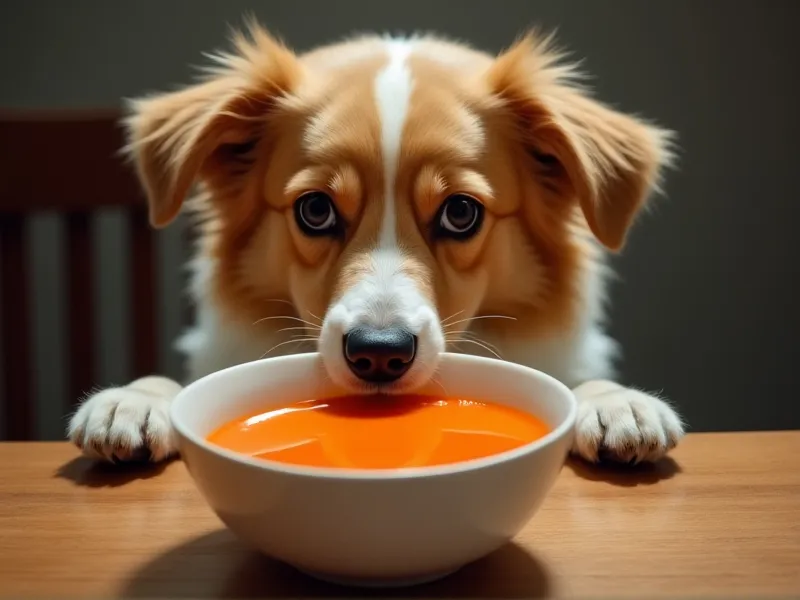
Table of Contents
- Can Dogs Eat Tomato Soup? The Short Answer
- Potential Benefits of Tomatoes for Dogs (Hint: It’s About Fresh, Not Soup!)
- The Risks of Tomato Soup for Dogs: Why Most Soups Are a No-Go
- How Much Tomato Soup Is “Safe”? Spoiler: Probably Less Than You Think
- Healthier Alternatives to Tomato Soup for Your Dog
- FAQ: Your Tomato Soup and Dog Questions, Answered
- Conclusion: Prioritize Fresh, Skip the Soup
Can Dogs Eat Tomato Soup? The Short Answer
Let’s cut to the chase: Most tomato soups are not safe for dogs, and even “dog-friendly” homemade versions are best avoided as a regular treat.
Here’s why: Tomato soup—whether store-bought or homemade—rarely contains just tomatoes. It’s loaded with added ingredients like salt, sugar, onions, garlic, spices, or dairy, all of which can harm your dog. Even if you make a “plain” version, the high acidity of tomatoes can upset your pup’s stomach.
That said, ripe, fresh tomatoes (in moderation) can offer some health benefits for dogs. The problem is that tomato soup is a far cry from a fresh tomato. Think of it like this: A fresh apple is a healthy snack for humans, but apple pie (with sugar, butter, and spices) is not a “healthy” treat. Same logic applies here.
Potential Benefits of Tomatoes for Dogs (Hint: It’s About Fresh, Not Soup!)
Before we dive into the risks, let’s talk about why tomatoes themselves get a (mild) stamp of approval from vets. Ripe, red tomatoes (not the green parts!) are non-toxic and contain nutrients that can support your dog’s health—if fed in small, occasional amounts.
Key Nutrients in Fresh Tomatoes:
- Vitamin A: Supports eye health, immune function, and healthy skin/coat.
- Vitamin C: An antioxidant that boosts immunity and aids collagen production.
- Potassium: Helps regulate blood pressure and muscle function.
- Fiber: Aids digestion and keeps your dog feeling full (great for weight management).
- Lycopene: A powerful antioxidant linked to reduced inflammation and heart health in humans; some studies suggest it may offer similar benefits for dogs (though more research is needed).
But again: These benefits come from fresh, ripe tomatoes—not tomato soup. Soup dilutes these nutrients and adds harmful extras, which we’ll cover next.
The Risks of Tomato Soup for Dogs: Why Most Soups Are a No-Go
Tomato soup’s biggest danger lies in its added ingredients. Let’s break down the most common culprits and why they’re risky for your pup.
1. Onions, Garlic, and Chives: Hidden Toxins
Many tomato soups (especially homemade or “hearty” varieties) include onions, garlic, or chives for flavor. These belong to the Allium family, which is toxic to dogs. They contain thiosulfate, a compound that damages red blood cells, leading to anemia. Symptoms of Allium toxicity include weakness, lethargy, vomiting, diarrhea, and pale gums. In severe cases, it can be life-threatening.
Pro tip: Check the label! Even “low-sodium” or “organic” soups may include onion powder or garlic extract.
2. Excess Salt: A Hidden Danger
Salt is a staple in canned and boxed tomato soups. While dogs need a tiny amount of sodium, too much can cause sodium ion poisoning. Symptoms include excessive thirst, urination, vomiting, diarrhea, tremors, seizures, or even death in severe cases.
How much is too much? The ASPCA recommends dogs consume no more than 100 mg of sodium per 10 pounds of body weight per day. A single cup of commercial tomato soup can contain 800–1,200 mg of sodium—way over the limit for a 20-pound dog (who should have max 200 mg/day).
3. Added Sugar: A Recipe for Obesity and Diabetes
Many soups (especially “creamy” or “sweetened” varieties) include sugar, high-fructose corn syrup, or honey to balance acidity. Dogs have no nutritional need for sugar, and regular consumption can lead to:
- Obesity (a leading cause of joint pain, diabetes, and heart disease in dogs).
- Dental decay (dogs get cavities too!).
- Pancreatitis (inflammation of the pancreas, often triggered by high-sugar/fat foods).
4. Dairy: Lactose Intolerance
Creamy tomato soups often contain milk, cream, or cheese. Most adult dogs are lactose intolerant—they lack the enzyme (lactase) needed to digest lactose, leading to gas, bloating, diarrhea, or stomach cramps.
5. High Acidity: Stomach Upset
Tomatoes are naturally acidic, and soup (which is liquid) can worsen this. Dogs with sensitive stomachs may experience vomiting, diarrhea, or heartburn after eating acidic foods. Puppies, senior dogs, or those with conditions like acid reflux are especially at risk.
6. Choking Hazards: Chunks or Seeds
Some soups have large tomato chunks, herbs, or even pasta (like minestrone-style). These can pose a choking risk, especially for small dogs or those who gulp their food. Tomato seeds are technically safe but can be a choking hazard in large quantities.
7. Spices and Seasonings
Black pepper, paprika, oregano, or red pepper flakes are common in tomato soup. While a pinch of pepper is unlikely to harm your dog, excessive spices can irritate their digestive tract, causing vomiting or diarrhea.
How Much Tomato Soup Is “Safe”? Spoiler: Probably Less Than You Think
Let’s say you made a homemade tomato soup with no onions, garlic, salt, sugar, or dairy—just ripe tomatoes and water. Is that safe for your dog?
Maybe… in a tiny amount. But even then, it’s not recommended. The acidity alone could upset their stomach, and there’s no nutritional benefit over feeding fresh tomato slices.
If your dog accidentally laps up a drop or two of plain, homemade soup (no toxins), they’ll likely be fine. But as a general rule:
- Small dogs (under 20 lbs): No more than 1 teaspoon (and only if the soup is 100% tomato + water, no additives).
- Medium/large dogs (20–80 lbs): No more than 1–2 teaspoons (again, only plain, additive-free soup).
- Giant breeds (over 80 lbs): Maybe 1 tablespoon, but even this is a stretch.
But honestly? It’s better to skip it entirely. There are far healthier ways to treat your dog.
Healthier Alternatives to Tomato Soup for Your Dog
If your dog begs for a taste of your meal, try these dog-safe alternatives instead—they’re packed with nutrients and free of harmful ingredients!
1. Fresh Tomato Slices (Ripe, Seedless)
The best alternative! Ripe, red tomatoes (no green stems or leaves) are safe in small amounts. Remove the seeds (to avoid choking) and slice into bite-sized pieces. A few slices make a low-calorie, hydrating snack.
Note: Avoid green tomatoes—they contain tomatine, a toxin that can cause gastrointestinal upset in large quantities.
2. Plain Pumpkin (Canned, No Sugar/Spice)
Pumpkin is a vet favorite! It’s rich in fiber (great for upset tummies) and beta-carotene (converts to vitamin A). Serve 1–2 tablespoons (plain, not pie filling!) as a treat or mixed into their food.
3. Carrot Sticks or Green Beans
Crunchy, low-calorie, and packed with vitamins. Carrots offer vitamin A; green beans add fiber and vitamin K. Steam them slightly for dogs with sensitive teeth.
4. Dog-Safe Broth
Make your own broth by simmering chicken or beef bones (no onions/garlic!) in water. Strain and let cool, then serve a tablespoon as a treat or mixer for dry food. It’s hydrating and full of flavor—without the salt!
5. Blueberries or Strawberries
For a sweet treat, try fresh berries. They’re low in sugar, high in antioxidants, and most dogs go crazy for them.
FAQ: Your Tomato Soup and Dog Questions, Answered
Q: My dog ate a whole bowl of tomato soup! What should I do?
A: Stay calm, but act fast. First, check the ingredients. If it contained onions, garlic, or chives, call your vet immediately—these can cause life-threatening anemia. If it was just salt/sugar, monitor your dog for symptoms like vomiting, diarrhea, or excessive thirst. If they show any signs of distress, contact your vet.
Q: Are cherry tomatoes safe for dogs?
A: Yes! Ripe cherry tomatoes are safe in moderation (1–2 for small dogs, 3–4 for large dogs). They’re a fun, bite-sized snack—just remove the stems.
Q: Can dogs have tomato sauce or ketchup?
A: No. Tomato sauce often has onions, garlic, salt, or sugar, and ketchup is loaded with sugar and salt. Both are best avoided.
Q: Is lycopene safe for dogs?
A: Yes! Lycopene (found in ripe tomatoes) is non-toxic and may offer antioxidant benefits. But your dog will get more lycopene from a fresh tomato slice than from soup.
Q: My dog loves tomatoes—how often can I feed them?
A: Treat tomatoes as an occasional snack, not a regular part of their diet. Aim for once or twice a week, max. Too many can cause stomach upset due to acidity.
Conclusion: Prioritize Fresh, Skip the Soup
At the end of the day, tomato soup is a human food best enjoyed by humans. While fresh tomatoes have some benefits, the risks of soup (toxins, salt, sugar, and acidity) far outweigh any perks.
If you want to share a “tomato treat” with your pup, stick to fresh, ripe slices (seedless, no green parts) in small amounts. And when in doubt, always check with your vet—they know your dog’s unique health needs best.
Your dog’s tail wags and wet nose are worth protecting, so let’s keep their bowls (and our soup spoons) focused on foods that keep them happy, healthy, and thriving.
Here’s to warm soups for you, and wag-worthy snacks for them!
References
- American Society for the Prevention of Cruelty to Animals (ASPCA). “Toxic and Non-Toxic Plants: Tomato.” aspca.org/pet-care/animal-poison-control/toxic-and-non-toxic-plants/tomato
- American Kennel Club (AKC). “Can Dogs Eat Tomatoes?” akc.org/expert-advice/nutrition/can-dogs-eat-tomatoes
- PetMD. “Human Foods Dogs Can and Can’t Eat.” petmd.com/dog/nutrition/human-foods-dogs-can-and-cant-eat
- Veterinary Centers of America (VCA). “Sodium Ion Toxicity in Dogs.” vcahospitals.com/know-your-pet/sodium-ion-toxicity-in-dogs