· 8 min read
Can Dogs Eat Tomato Paste? The Pet Parent’s Guide to Safety, Benefits, and Risks
You’re simmering a batch of your famous spaghetti sauce, stirring in a dollop of tomato paste to deepen the flavor. Beside you, your dog sits, tail thumping, nose twitching at the aroma. “Just a little taste?” you wonder. After all, tomatoes are a common human food—so is tomato paste safe for dogs?
If you’ve ever asked this question, you’re not alone. Tomato paste is a pantry staple, used in everything from soups to casseroles, and it’s natural to want to share (or at least not worry if your pup sneaks a lick). But before you pass the spoon, let’s break down the facts: Can dogs eat tomato paste? The answer isn’t a simple “yes” or “no”—it depends on the type, the amount, and your dog’s unique health.
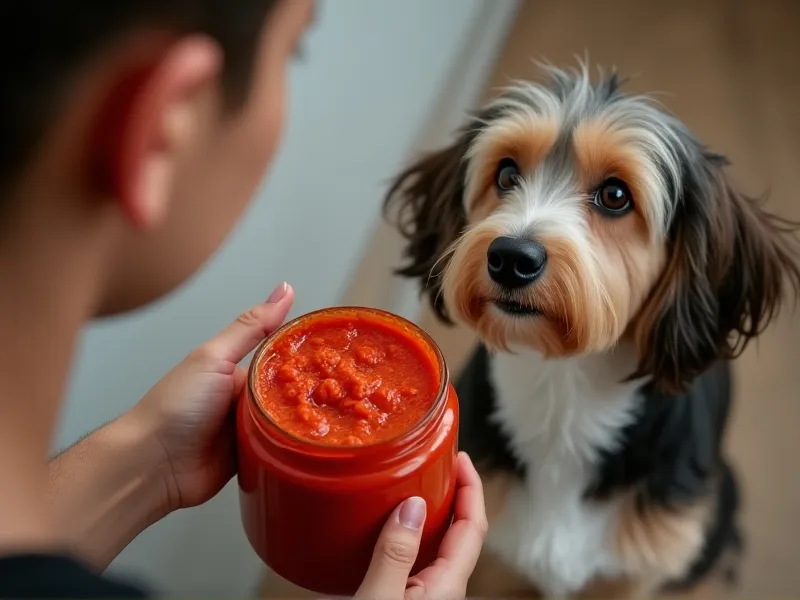
Table of Contents
- So, Can Dogs Eat Tomato Paste? The Short Answer
- The Benefits of Tomato Paste for Dogs: What’s in It?
- The Risks: Why Tomato Paste Isn’t Always a Good Idea
- Safe Guidelines: How Much Tomato Paste Can Dogs Eat?
- Healthier Alternatives to Tomato Paste
- FAQ: Your Tomato Paste Questions Answered
- Conclusion: Moderation is Key
- References
So, Can Dogs Eat Tomato Paste? The Short Answer
Yes, dogs can eat small amounts of plain, unsweetened tomato paste occasionally—but it’s not a “superfood” for them, and there are important caveats.
Tomato paste is made by cooking down ripe tomatoes to a thick, concentrated paste. Ripe tomatoes themselves are non-toxic to dogs (unlike green tomatoes, stems, or leaves, which contain small amounts of solanine, a toxic alkaloid). However, the “concentrated” part matters: tomato paste amplifies both the nutrients and the potential risks of fresh tomatoes. Additives like sugar, salt, garlic, or onions (common in some store-bought pastes) can make it dangerous.
In short: Plain tomato paste isn’t toxic, but it’s not ideal. Let’s dive into why.
The Benefits of Tomato Paste for Dogs: What’s in It?
Tomato paste retains some of the nutrients found in fresh tomatoes, though in a more concentrated form. Here’s what might make it (theoretically) beneficial:
1. Vitamins A, C, and E: Antioxidant Powerhouses
- Vitamin A: Supports eye health, skin, and immune function. Ripe tomatoes are rich in beta-carotene, which converts to vitamin A in the body.
- Vitamin C: Boosts the immune system and acts as an antioxidant, protecting cells from damage.
- Vitamin E: Another antioxidant that supports skin health and muscle function.
2. Fiber: Good for Digestion
Tomato paste contains small amounts of dietary fiber, which can help regulate your dog’s digestive system and keep their gut healthy—if it’s not overdone.
3. Potassium: For Heart and Muscle Health
Potassium is an electrolyte that helps maintain healthy heart rhythms and muscle function. Tomatoes (and thus tomato paste) are a natural source.
But here’s the catch: These benefits are minimal compared to other dog-safe foods. For example, a small spoonful of tomato paste might offer some vitamin A, but a slice of fresh carrot or a spoonful of pumpkin puree will deliver more nutrients with fewer risks. Plus, the concentration of tomato paste can amplify downsides (like acidity) that outweigh these benefits.
The Risks: Why Tomato Paste Isn’t Always a Good Idea
While plain tomato paste isn’t toxic, its high concentration and potential additives make it riskier than fresh tomatoes. Here are the main concerns:
1. Added Sugar: Empty Calories and Health Risks
Many store-bought tomato pastes (especially “sweetened” or “flavored” varieties) contain added sugar. Dogs don’t need sugar in their diet, and excess can lead to:
- Obesity
- Dental issues (cavities, tooth decay)
- Increased risk of diabetes (over time)
Even “no sugar added” pastes have natural sugars from tomatoes, but added sugar is the bigger problem. Always check the label: If “sugar” or “high-fructose corn syrup” is near the top of the ingredients list, skip it.
2. Acidity: Stomach Upset and Digestive Issues
Tomatoes are acidic, and tomato paste—being concentrated—is more acidic. This can irritate your dog’s stomach, especially if they have:
- A sensitive digestive system
- Gastroesophageal reflux disease (GERD)
- A history of stomach ulcers
Signs of acidity-related upset include vomiting, diarrhea, excessive drooling, or a loss of appetite.
3. Choking Hazard: Thick Consistency
Tomato paste is thick and sticky. If fed straight from the spoon (instead of mixed into food), it could get stuck in your dog’s throat, leading to choking—especially in small breeds or dogs who gulp their food.
4. Hidden Toxins: Garlic, Onions, and Salt
Some tomato pastes include garlic, onions, or excessive salt to enhance flavor. These are toxic to dogs:
- Garlic and onions: Contain thiosulphate, which damages red blood cells and can cause anemia (even in small amounts).
- Excess salt: Leads to sodium ion poisoning, with symptoms like vomiting, diarrhea, seizures, or even death in severe cases.
Always read the label carefully! If the paste contains garlic, onions, or salt (beyond trace amounts), it’s unsafe for your dog.
Safe Guidelines: How Much Tomato Paste Can Dogs Eat?
If you want to share a tiny amount of plain, unsweetened, additive-free tomato paste with your dog (e.g., mixed into their regular food as a rare treat), follow these rules:
1. Choose the Right Paste
Opt for 100% tomato paste with no added ingredients: No sugar, salt, garlic, onions, or spices. Look for labels that say “unsalted” and “no added sugar.” Organic or “all-natural” brands are often better, but always double-check the ingredients.
2. Stick to Tiny Portions
Tomato paste is concentrated, so a little goes a long way. As a general rule:
- Small dogs (under 20 lbs): ¼ to ½ teaspoon, once in a while (e.g., once a week at most).
- Medium dogs (20–50 lbs): ½ to 1 teaspoon, occasionally.
- Large dogs (50+ lbs): 1 to 2 teaspoons, occasionally.
Never make tomato paste a regular part of their diet. It should be a rare treat, not a meal topper.
3. Mix It In (Don’t Feed Straight)
To avoid choking and reduce acidity, mix the tomato paste into your dog’s regular kibble or wet food. This dilutes the paste and makes it easier to digest.
4. Monitor for Reactions
After feeding tomato paste, watch for signs of stomach upset: vomiting, diarrhea, lethargy, or loss of appetite. If you notice any of these, stop feeding it and consult your vet.
5. Skip It If Your Dog Has Health Issues
Avoid tomato paste if your dog has:
- Diabetes (due to sugar content)
- Kidney disease (high potassium can be harmful)
- Stomach ulcers or GERD (acidity will irritate)
- Food allergies or sensitivities
Healthier Alternatives to Tomato Paste
If you want to add flavor or nutrients to your dog’s food, skip the tomato paste and opt for these safer, more nutritious alternatives:
1. Fresh Ripe Tomatoes (Without Stems/Vines)
A slice of fresh, ripe tomato (minus the stem and leaves) is safer than paste. It has the same nutrients but less acidity and no additives. Serve in small pieces (to avoid choking) as an occasional snack.
2. Pumpkin Puree (Unsweetened)
Pumpkin is a dog superfood! It’s rich in fiber (great for digestion), vitamin A, and antioxidants. Mix a spoonful into their food for a tasty, healthy topper.
3. Sweet Potato Puree
Cooked, mashed sweet potato is packed with beta-carotene (vitamin A), fiber, and potassium. It’s naturally sweet (no added sugar needed) and gentle on tummies.
4. Carrot Puree or Shredded Carrots
Carrots are low in calories and high in vitamin A, fiber, and crunch (great for teeth!). Shred them raw as a snack or cook and mash for a soft topper.
5. Green Beans (Cooked)
Plain, cooked green beans are low-calorie and high in fiber and vitamins. They make a crunchy, healthy treat or meal mix-in.
FAQ: Your Tomato Paste Questions Answered
Q: Is tomato paste toxic to dogs?
A: No, plain tomato paste (without garlic, onions, or excessive sugar/salt) isn’t toxic. But it’s not ideal due to acidity, sugar, and concentration risks.
Q: Can puppies eat tomato paste?
A: It’s best to avoid tomato paste for puppies. Their digestive systems are sensitive, and the acidity could cause upset. Stick to puppy-safe foods like plain yogurt or cooked pumpkin instead.
Q: What if my dog ate a lot of tomato paste (e.g., raided the pantry)?
A: If your dog ate a large amount (more than the recommended portions above) or paste with additives (garlic, onions, sugar), monitor them closely. Symptoms like vomiting, diarrhea, lethargy, or increased thirst could indicate a problem. Contact your vet immediately, especially if additives are present.
Q: Is homemade tomato paste safer than store-bought?
A: Homemade paste (made with only ripe tomatoes) is safer, as you can control additives. But it’s still acidic and concentrated—so follow the same portion guidelines.
Q: Can tomato paste cause allergies in dogs?
A: Tomato allergies are rare in dogs, but possible. Signs include itching, red skin, or ear infections. If you notice these after feeding tomato paste, stop and consult your vet.
Conclusion: Moderation is Key
Tomato paste isn’t toxic to dogs, but it’s far from a health food. A tiny, occasional spoonful of plain, additive-free paste mixed into their food is unlikely to harm most dogs—but there are better, safer options (like fresh veggies or pumpkin) that offer more nutrients with fewer risks.
As a pet parent, the best rule is: When in doubt, skip it. Your dog’s diet should focus on high-quality, vet-approved dog food, with treats limited to safe, nutrient-dense options. If you want to share human food, stick to dog-safe staples like carrots, blueberries, or cooked chicken.
And if you ever have questions about a specific food (tomato paste or otherwise), don’t hesitate to call your vet. They know your dog’s health history and can give personalized advice.
Here’s to keeping your furry friend happy, healthy, and (mostly) away from the tomato paste jar!
References
- American Society for the Prevention of Cruelty to Animals (ASPCA). “Toxic and Non-Toxic Plants: Tomato.” aspca.org
- VCA Animal Hospitals. “Foods Your Dog Should Not Eat.” vcahospitals.com
- PetMD. “Can Dogs Eat Tomatoes?” petmd.com
- Cummings School of Veterinary Medicine at Tufts University. “Homemade Diets for Dogs.” tuftscvm.org
- American Kennel Club (AKC). “Can Dogs Eat Tomatoes?” akc.org