· 8 min read
Can Dogs Eat Tomahawk Bones? The Surprising Truth Every Pet Parent Should Know
Picture this: You’re hosting a summer BBQ, and the grill is sizzling with a massive, meaty tomahawk steak bone—juicy, charred, and impossible to resist. As you set it aside post-dinner, your dog trots over, tail thumping, eyes glued to that tempting prize. “They love bones,” you think. “Surely a big, sturdy tomahawk bone is safe, right?”
If you’ve ever asked yourself, “Can dogs eat tomahawk bones?” you’re not alone. These imposing bones (often beef ribs with a long, meaty “handle”) are a favorite for human meals, but when it comes to our furry friends, the answer isn’t as simple as “yes” or “no.” In fact, the risks might surprise you.
In this guide, we’ll break down everything you need to know: what tomahawk bones are, their potential benefits (if any), the hidden dangers, safer alternatives, and expert advice to keep your pup healthy. Let’s dive in.
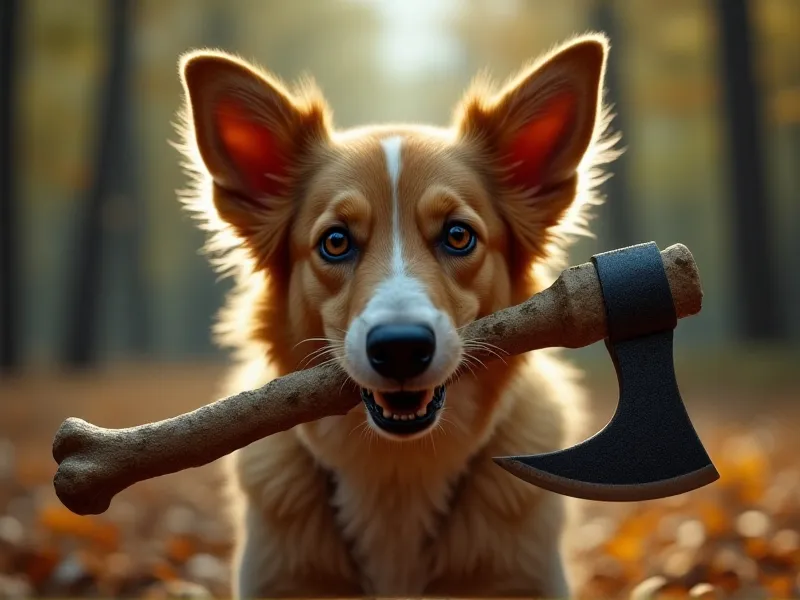
Table of Contents
- Can Dogs Eat Tomahawk Bones? The Short Answer
- What Are Tomahawk Bones, Anyway?
- Potential Benefits of Tomahawk Bones for Dogs (The Hype vs. Reality)
- The Risks of Feeding Tomahawk Bones to Dogs (Why Vets Warn Against Them)
- How Much (If Any) Tomahawk Bone Is Safe for Dogs?
- Healthier Alternatives to Tomahawk Bones
- FAQ: Your Tomahawk Bone Questions Answered
- Conclusion: Prioritizing Your Dog’s Safety
- References
Can Dogs Eat Tomahawk Bones? The Short Answer
No, tomahawk bones are not safe for dogs—whether cooked or raw.
While they may seem like a “natural” treat (and your dog will definitely beg for them), tomahawk bones pose serious risks, including choking, intestinal blockages, bacterial infections, and dental fractures. Even proponents of raw feeding caution against large, weight-bearing bones like tomahawks, as their size and density make them unpredictable.
The American Veterinary Medical Association (AVMA) and ASPCA both explicitly warn against feeding bones to dogs, and tomahawk bones are no exception. Let’s unpack why.
What Are Tomahawk Bones, Anyway?
Before we get into the risks, let’s clarify what a tomahawk bone is. Typically made from beef ribs (often the ribeye or prime rib section), a tomahawk bone is a long, thick bone with a large chunk of meat still attached. It gets its name from its resemblance to a Native American tomahawk (axe) due to its long, handle-like shape.
These bones are popular in human cooking for their rich flavor and impressive presentation—think grilled or smoked tomahawk steaks at restaurants. They’re large (often 10–14 inches long) and dense, with a marrow-filled center and plenty of meat and fat on the exterior.
For dogs, their size might seem like a plus (“It’s too big to swallow whole!”), but that’s a common misconception. Dogs are powerful chewers, and even large bones can break into dangerous pieces.
Potential Benefits of Tomahawk Bones for Dogs (The Hype vs. Reality)
You might have heard claims that bones are “good for dogs”—and in theory, some raw bones can offer minor benefits. But when it comes to tomahawk bones, these “pros” are often overstated, and the risks far outweigh them. Let’s separate fact from fiction:
Claim 1: “Tomahawk bones clean teeth and freshen breath.”
Chewing on bones can scrape away plaque, but tomahawk bones are dense and hard. This makes them more likely to crack your dog’s teeth than to clean them. The American Kennel Club (AKC) notes that while chewing is good for dental health, bones are too risky compared to safer alternatives.
Claim 2: “The marrow provides nutrients like calcium and phosphorus.”
Bone marrow is rich in nutrients like calcium, phosphorus, and healthy fats. However, tomahawk bones are typically fed with the meat and fat still attached, which adds lots of calories (a single tomahawk bone can have 500+ calories—nearly half a small dog’s daily intake!). Excess fat can lead to pancreatitis, a painful and life-threatening condition.
Claim 3: “Raw tomahawk bones are a ‘natural’ part of a dog’s diet.”
Wild dogs and wolves eat bones, but they also eat whole prey (fur, organs, etc.) that balances the bone content. Domestic dogs don’t have the same digestive systems, and raw tomahawk bones lack this balance. Plus, commercial raw bones (including tomahawks) often carry harmful bacteria like salmonella.
The Risks of Feeding Tomahawk Bones to Dogs (Why Vets Warn Against Them)
Now, let’s get to the critical part: the dangers. Tomahawk bones present multiple risks, whether cooked or raw. Here’s what you need to watch for:
1. Cooked Tomahawk Bones: A Splintering Disaster
Cooking (grilling, baking, or boiling) removes moisture from bones, making them dry, brittle, and prone to splintering. These sharp shards can:
- Choke your dog (even small splinters can lodge in the throat).
- Tear the esophagus, stomach, or intestines, leading to internal bleeding or infection.
- Cause intestinal blockages, which often require surgery to remove.
The ASPCA explicitly states, “Cooked bones are dangerous to dogs” because of this splinter risk. Even a “softened” cooked bone (e.g., from slow-cooking) is unsafe—heat still weakens the bone structure.
2. Raw Tomahawk Bones: Bacteria and Breakage
Raw bones avoid the splintering issue, but they come with their own set of problems:
- Bacterial infections: Raw meat and bones often harbor salmonella, E. coli, or Listeria. These can make your dog sick (vomiting, diarrhea, fever) and spread to humans via contact with your dog’s saliva or feces (zoonotic diseases). The CDC warns that raw pet food is a “known source of harmful bacteria.”
- Tooth fractures: Tomahawk bones are dense. A dog chewing with too much force can crack a tooth, leading to pain, infection, or costly dental work.
- Constipation or blockages: The high-fat marrow in tomahawk bones can cause diarrhea, while excess bone fragments can harden stools, leading to constipation or blockages.
3. Size and Swallowing Hazards
Tomahawk bones are large, but dogs are clever (and hungry) chewers. A dog might gnaw off a chunk of bone or meat too big to swallow, leading to choking or an esophageal blockage. Even if they manage to swallow it, large pieces can get stuck in the intestines.
How Much (If Any) Tomahawk Bone Is Safe for Dogs?
The short answer: None.
Most vets agree that tomahawk bones (raw or cooked) are not safe for dogs, regardless of portion size. Even a small “taste” can lead to disaster.
If you insist on giving your dog a bone (despite the risks), consult your vet first. They may recommend:
- Only raw, uncooked bones (never cooked).
- A much smaller bone (e.g., a chicken neck for small dogs, a lamb shank for large breeds)—not a tomahawk.
- Supervision (never leave your dog alone with a bone).
- Removing the bone after 10–15 minutes to limit chewing time.
But even then, there’s no guarantee of safety. It’s far better to skip the tomahawk bone entirely.
Healthier Alternatives to Tomahawk Bones
Your dog doesn’t need tomahawk bones to be happy! There are plenty of safe, tasty alternatives that satisfy their chewing instinct without the risks. Here are our top picks:
1. Dental Chews Approved by the VOHC
Look for chews with the Veterinary Oral Health Council (VOHC) seal, like Greenies or C.E.T. VeggieDent. These are designed to clean teeth and freshen breath without breaking into sharp pieces.
2. Raw Vegetables
Carrots, celery, or cucumber slices are low-calorie, crunchy, and safe for most dogs. They’re great for dental health and won’t cause blockages.
3. Bully Sticks
Made from dried bull pizzle, bully sticks are high in protein and long-lasting. Choose “odor-free” options if you’re sensitive to smells, and always supervise to prevent choking on small pieces.
4. Himalayan Yak Chews
These hard chews are made from yak milk and are less likely to splinter than bones. They’re low in fat and great for aggressive chewers.
5. Kong Toys Stuffed with Treats
Fill a Kong with peanut butter (xylitol-free!), yogurt, or canned pumpkin. Freeze it for a long-lasting, interactive treat that keeps your dog busy without the bone risk.
FAQ: Your Tomahawk Bone Questions Answered
Q: My dog stole a cooked tomahawk bone off the grill! What should I do?
A: Stay calm, but act fast. Contact your vet immediately. Watch for symptoms like vomiting, diarrhea, lethargy, difficulty pooping, or blood in stool. Do NOT induce vomiting unless your vet tells you to—this could worsen damage from sharp bone fragments.
Q: Are raw tomahawk bones safer than cooked ones?
A: Raw bones are less likely to splinter, but they’re not “safe.” They still carry bacteria, tooth fracture risks, and blockage hazards. The AVMA does not recommend raw bones for dogs.
Q: Can puppies eat tomahawk bones?
A: Absolutely not. Puppies have softer teeth and developing digestive systems, making them more prone to fractures and blockages.
Q: My dog has eaten bones before and been fine—why is a tomahawk different?
A: Luck, not safety. Every dog and bone is different. A previous “safe” experience doesn’t guarantee the next one will be. It’s not worth risking your dog’s health.
Conclusion: Prioritizing Your Dog’s Safety
At the end of the day, the tomahawk bone on your grill might look like a canine dream, but it’s a nightmare for their health. From splintering to bacteria to blockages, the risks are simply too high.
Instead of taking chances, opt for one of the safer alternatives we listed—your dog will love them just as much (if not more!), and you’ll have peace of mind.
As always, when in doubt, consult your vet. They know your dog’s health history and can recommend the best treats for their unique needs.
Here’s to many happy, healthy years with your pup—bone-free!
References
- American Veterinary Medical Association (AVMA). “Raw Pet Food: A Health Risk for Humans and Dogs.” avma.org/resources/pet-owners/petcare/raw-pet-food-health-risk-humans-and-dogs
- ASPCA. “People Foods to Avoid Feeding Your Pets.” aspca.org/pet-care/animal-poison-control/people-foods-avoid-feeding-your-pets
- Centers for Disease Control and Prevention (CDC). “Raw Pet Food.” cdc.gov/healthypets/nutrition/raw-food.html
- Veterinary Oral Health Council (VOHC). “Accepted Products.” vohc.org/accepted-products
- VCA Hospitals. “Raw Food Diets for Dogs.” vcahospitals.com/know-your-pet/raw-food-diets-for-dogs