· 8 min read
Can Dogs Eat Tic Tacs? The Surprising Truth Every Pet Parent Should Know
Picture this: You’re sitting on the couch, popping a minty Tic Tac to beat post-lunch breath, when your dog suddenly plants their paws on your lap, ears perked, tail wagging. Their big, soulful eyes lock onto your hand, and you can almost hear the thought bubble: “Is that for me?” It’s a relatable moment—our dogs are curious creatures, and they want in on whatever we’re having. But when it comes to Tic Tacs, the tiny, colorful mints we love, is sharing safe?
If you’ve ever wondered, “Can dogs eat Tic Tacs?” you’re not alone. We’re breaking down the facts: the ingredients, the risks, the (minimal) potential benefits, and what to do if your pup sneaks a mint. Spoiler: While Tic Tacs aren’t immediately toxic to dogs, they’re far from a healthy choice. Let’s dive in.
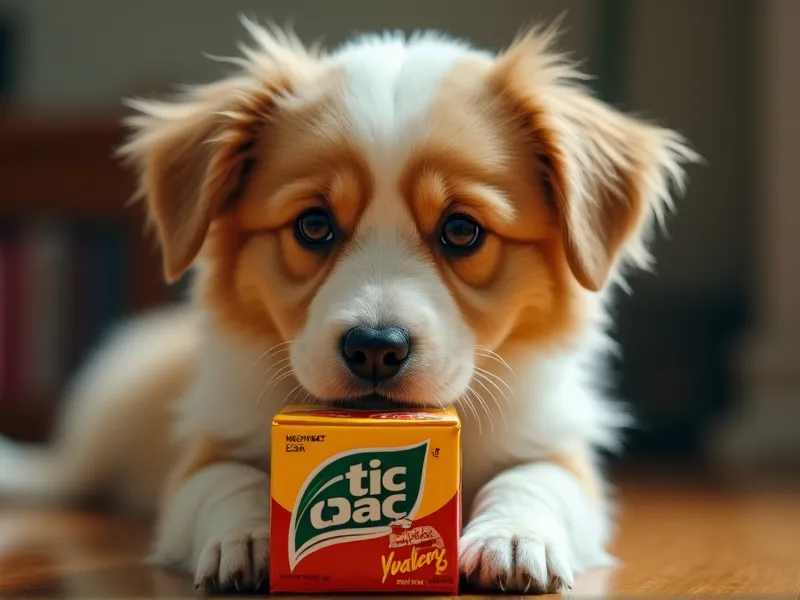
Table of Contents
- Can Dogs Eat Tic Tacs? The Short Answer
- What Are Tic Tacs, Anyway? A Quick Breakdown
- Potential “Benefits” of Tic Tacs for Dogs—Are There Any?
- The Risks: Why Tic Tacs Are Not Ideal for Dogs
- How Much Tic Tac Is “Safe” for a Dog? (If Any)
- Healthier Alternatives to Tic Tacs for Dogs
- FAQ: Common Questions About Dogs and Tic Tacs
- Conclusion: Prioritize Your Pup’s Health
Can Dogs Eat Tic Tacs? The Short Answer
No, dogs should not eat Tic Tacs intentionally. While Tic Tacs don’t contain toxic ingredients like xylitol (a sugar substitute deadly to dogs), they’re loaded with sugar and offer zero nutritional value. The risks—including dental issues, obesity, and choking hazards—far outweigh any negligible “benefits.” Accidental ingestion of one or two Tic Tacs is unlikely to harm most dogs, but regular feeding is a bad idea.
What Are Tic Tacs, Anyway? A Quick Breakdown
Before we judge whether Tic Tacs are good for dogs, let’s understand what’s in them. According to the [Ferrero website](https://www.tic tac.com), the classic mint Tic Tac ingredients include:
- Sugar (the main ingredient)
- Maltodextrin (a processed carbohydrate)
- Dextrose (another sugar)
- Natural and artificial mint flavoring
- Magnesium stearate (a flow agent to prevent clumping)
- Calcium carbonate (used as an anti-caking agent)
No toxic red flags here—no xylitol, chocolate, or grapes. But the star of the show? Sugar. A single Tic Tac has about 0.5 grams of sugar, and a standard pack contains ~38 Tic Tacs—that’s 19 grams of sugar per pack. For context, the American Kennel Club (AKC) recommends dogs consume no more than 5-10% of their daily calories from treats. For a 30-pound dog, that’s roughly 30-60 calories (or 7-15 grams of sugar) per day. A single pack of Tic Tacs could blow that limit.
Potential “Benefits” of Tic Tacs for Dogs—Are There Any?
The user mentioned “potential benefits” like nutrients, fiber, or potassium. Let’s set expectations: Tic Tacs are candy, not superfoods. Here’s the reality:
Trace Nutrients? Barely.
- Fiber: Maltodextrin is a starch derived from corn, rice, or potatoes, but it’s highly processed and offers minimal dietary fiber. Your dog would need to eat hundreds of Tic Tacs to get any meaningful fiber—hardly worth the sugar overload.
- Potassium or Vitamins: Tic Tacs contain no significant vitamins or minerals. Calcium carbonate is present, but in tiny amounts (less than 1% DV per serving). Not enough to support bone health or other functions.
Fresh Breath? Not Really.
Tic Tacs mask bad breath in humans, but for dogs, they’re a temporary fix at best. Doggy bad breath is often a sign of underlying issues like dental disease, gum inflammation, or digestive problems. A minty Tic Tac might cover the smell for 5 minutes, but it won’t address the root cause.
The Risks: Why Tic Tacs Are Not Ideal for Dogs
Now, let’s get to the real concern: the risks. Even without toxic ingredients, Tic Tacs pose several threats to your dog’s health.
1. Sugar Overload: A Recipe for Obesity and Dental Disaster
Sugar is the biggest issue. Dogs’ bodies aren’t designed to process large amounts of added sugar. Over time, regular sugar intake can lead to:
- Obesity: Extra calories from sugar quickly add up, increasing the risk of joint pain, heart disease, and diabetes.
- Dental Disease: Sugar feeds harmful bacteria in your dog’s mouth, leading to plaque, tartar, and gum disease. By age 3, 80% of dogs have dental issues, and sugar only worsens this.
- Energy Spikes and Crashes: Like humans, dogs can experience hyperactivity followed by lethargy after a sugar rush—stressful for both of you!
2. Choking Hazard (Especially for Small Dogs)
Tic Tacs are small, hard, and round—perfect for slipping down a small dog’s throat. Breeds like Chihuahuas, Yorkies, or Pomeranians could easily choke on a Tic Tac, especially if they gulp it without chewing. Even larger dogs might struggle if they inhale one accidentally.
3. Artificial Flavors and Additives
While Tic Tacs’ mint flavoring is generally safe, some dogs may have sensitivities to artificial additives. Symptoms like vomiting, diarrhea, or itchiness could occur in rare cases, though this is less common than sugar-related issues.
How Much Tic Tac Is “Safe” for a Dog? (If Any)
Accidents happen—maybe your dog swiped a Tic Tac off the coffee table, or you dropped one during a snack. In most cases, one or two Tic Tacs are unlikely to cause harm to a healthy dog. The sugar content is minimal in such small quantities, and the choking risk is low for medium to large breeds.
But “safe” doesn’t mean “okay to feed regularly.” Here’s a general guideline:
- Small dogs (under 20 lbs): 1 Tic Tac accidentally is probably fine, but avoid intentional feeding.
- Medium dogs (20-50 lbs): 1-2 Tic Tacs accidentally are unlikely to cause issues, but again, no intentional treats.
- Large dogs (50+ lbs): A few Tic Tacs might cause a temporary sugar rush, but serious harm is rare.
If your dog eats a whole pack (30+ Tic Tacs), monitor them for:
- Vomiting or diarrhea (from sugar overload)
- Restlessness or hyperactivity
- Excessive thirst/urination
If these symptoms last more than 24 hours, contact your vet. For small dogs, even a half-pack could lead to stomach upset due to the sugar concentration.
Healthier Alternatives to Tic Tacs for Dogs
Instead of sharing your Tic Tacs, opt for these dog-safe, nutrient-rich alternatives that actually benefit your pup:
1. Fresh Mint Leaves (In Moderation)
A small sprig of fresh mint can freshen your dog’s breath naturally—no sugar needed! Mint is safe for dogs in small amounts (too much can cause mild stomach upset). Chop a leaf and sprinkle it on their food, or offer it as a tiny treat.
2. Carrot Sticks
Crunchy, low-calorie, and packed with fiber and vitamin A, carrots are a great alternative. They help clean teeth (thanks to their texture) and satisfy your dog’s urge to chew.
3. Apple Slices (No Seeds!)
Apples are rich in fiber and vitamin C. Remove the seeds (they contain trace amounts of cyanide) and core, then slice into bite-sized pieces. A perfect low-sugar snack.
4. Dog-Safe Breath Fresheners
Brands like Greenies Dental Chews or Ark Naturals Breath-Less Chew Sticks are designed to freshen breath and support dental health. Look for options with natural ingredients and no added sugars.
5. Frozen Blueberries
Tiny, sweet, and packed with antioxidants, frozen blueberries make a refreshing treat for hot days. They’re low in sugar and high in nutrients—win-win!
FAQ: Common Questions About Dogs and Tic Tacs
Q: My dog ate a sugar-free Tic Tac—are those safe?
A: It depends on the sweetener. Some sugar-free Tic Tacs use sorbitol or mannitol (sugar alcohols), which can cause diarrhea or gas in dogs. Avoid any sugar-free mints with xylitol—it’s toxic and can cause liver failure. Always check the label!
Q: Can Tic Tacs help with my dog’s bad breath?
A: No. Bad breath in dogs is often caused by dental disease, gum inflammation, or digestive issues. Tic Tacs mask the smell temporarily, but they don’t fix the problem. Schedule a dental checkup with your vet instead.
Q: My dog is obsessed with Tic Tacs—how do I stop them from begging?
A: Ignore the begging (rewarding it reinforces the behavior) and offer a healthy alternative when they ask for a treat. Over time, they’ll learn that Tic Tacs aren’t on the menu, but carrots or apples are!
Q: Are there any mint-flavored dog treats I can buy?
A: Yes! Many pet brands make mint-flavored dental chews (like the ones mentioned earlier) that are safe and beneficial. Look for products labeled “veterinarian-recommended” and check for added sugars.
Conclusion: Prioritize Your Pup’s Health
So, can dogs eat Tic Tacs? Technically, a tiny amount won’t kill them—but that doesn’t mean it’s a good idea. Tic Tacs are sugar bombs with no nutritional value, and regular feeding can lead to long-term health issues like obesity and dental disease.
Instead of sharing your mints, reach for dog-safe alternatives like carrots, apples, or fresh mint. And if your dog’s breath is a concern, address the root cause with regular dental care (brushing, chew toys, vet checkups) rather than masking it with candy.
As always, when in doubt, consult your vet—they know your dog’s unique health needs best. Here’s to keeping your pup happy, healthy, and minty-fresh (the right way)!
References
- American Kennel Club (AKC). “Human Foods Dogs Can and Can’t Eat.” akc.org
- VCA Animal Hospitals. “Dental Disease in Dogs.” vcahospitals.com
- Ferrero. “Tic Tac Ingredients.” [tic tac.com](https://www.tic tac.com/us/en/products/original-mint.html)
- PetMD. “Mint for Dogs: Is It Safe?” petmd.com