· 7 min read
Can Dogs Eat Turkey Giblets? A Pet Parent’s Guide to Safe Holiday Treats
It’s that time of year again: the kitchen smells of roasting turkey, and your dog is camped out under the table, tail thumping like a metronome. As you reach for the giblet bag—hearts, livers, gizzards, maybe a neck—you pause. Is this safe? Turkey is a common dog treat, but what about the squishy, nutrient-packed organs inside? Can dogs eat turkey giblets, or are they better left off the menu?
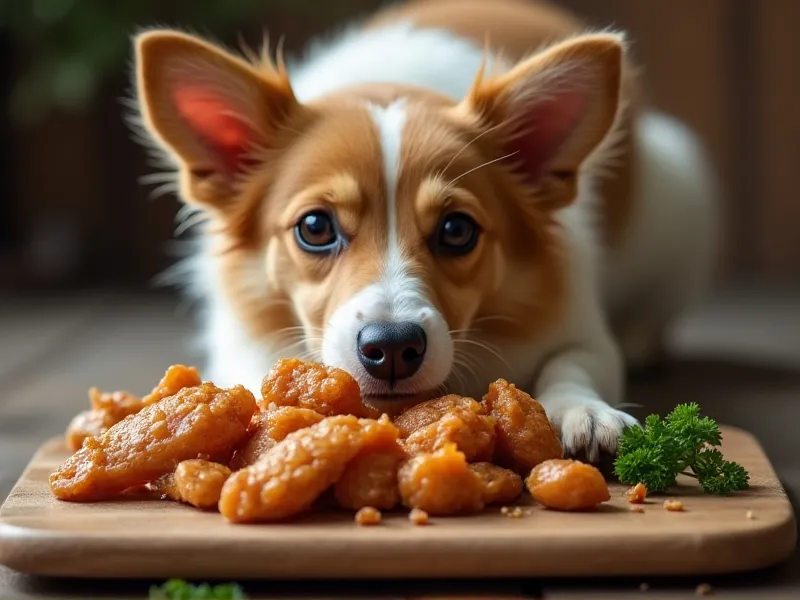
Table of Contents
- Can Dogs Eat Turkey Giblets? The Short Answer
- Nutritional Benefits of Turkey Giblets for Dogs
- Potential Risks to Watch Out For
- How Much Turkey Giblets Can Dogs Safely Eat?
- Healthier Alternatives to Turkey Giblets
- FAQ: Your Turkey Giblet Questions Answered
- Conclusion: Moderation is Key
Can Dogs Eat Turkey Giblets? The Short Answer
Yes, dogs can eat cooked turkey giblets in small, occasional amounts—but there’s a big “if.” Giblets (the heart, liver, gizzard, and sometimes neck of a turkey) are nutrient-dense, but they come with risks like seasoning, bones, and digestive upset if overfed. Think of them as a “sometimes treat,” not a meal replacement.
Raw giblets? Skip ’em. Raw meat can harbor bacteria like Salmonella or E. coli, which are dangerous for dogs (and humans!). Always cook giblets thoroughly before sharing.
Nutritional Benefits of Turkey Giblets for Dogs
Giblets are nature’s multivitamin—packed with nutrients that can support your dog’s health when served correctly. Here’s why they might deserve a spot on your pup’s treat list:
1. High-Quality Protein
Turkey giblets (especially the heart and gizzard) are loaded with lean protein, which is essential for muscle repair, immune function, and healthy skin/coat. Protein helps keep your dog feeling full and supports energy levels—perfect for active pups!
2. Vitamins for Vitality
- B Vitamins (B12, B6, Folate): These powerhouses support brain function, red blood cell production, and energy metabolism. A deficiency in B12, for example, can lead to fatigue or neurological issues in dogs.
- Vitamin A: Found in turkey liver, vitamin A is critical for eye health, immune function, and cell growth. Just don’t overdo it—too much vitamin A can be toxic (more on that later!).
3. Minerals for Overall Health
- Iron: Giblets (especially liver) are rich in heme iron, which dogs absorb easily. Iron helps transport oxygen in the blood, preventing anemia.
- Potassium: Supports heart health and muscle function, keeping your dog’s heart rhythm steady and muscles working properly.
- Zinc: Boosts immune function and aids in wound healing—important for dogs prone to skin issues.
4. Fiber (From Gizzards)
Turkey gizzards are tough, muscular organs, and when cooked and chopped, they provide a small amount of fiber. Fiber can aid digestion by promoting regular bowel movements—great for dogs with occasional constipation.
Potential Risks to Watch Out For
While giblets have benefits, they’re not without risks. Here’s what to avoid to keep your dog safe:
1. Toxic Seasonings and Additives
Most store-bought or home-cooked giblets are seasoned with ingredients like onions, garlic, salt, or sage. Onions and garlic are toxic to dogs (they damage red blood cells, leading to anemia), while excessive salt can cause sodium ion poisoning (symptoms: vomiting, diarrhea, seizures). Even “natural” seasonings like butter or oil can upset your dog’s stomach.
Rule: Only feed plain, unseasoned giblets. No salt, no spices, no butter—just water or broth (low-sodium!) for cooking.
2. Bones and Choking Hazards
Turkey necks (often included in giblet bags) are a common choking risk, especially for small dogs. Even cooked bones can splinter, tearing the throat or intestines. The gizzard’s tough texture can also pose a choking hazard if not chopped into tiny pieces.
Rule: Remove all bones, and chop giblets into bite-sized pieces (no larger than a pea for toy breeds).
3. Overfeeding and Nutrient Imbalances
Giblets are nutrient-dense, which is a double-edged sword. For example:
- Liver: Too much liver can cause vitamin A toxicity (symptoms: joint pain, lethargy, loss of appetite). The National Research Council recommends liver make up no more than 5% of a dog’s diet.
- High Fat: While giblets are leaner than turkey skin, the heart and liver still contain fat. Overfeeding can lead to pancreatitis (inflammation of the pancreas), especially in dogs with a history of the condition. Symptoms include vomiting, abdominal pain, and loss of appetite.
4. Raw Giblets = Bacterial Risk
Raw giblets may contain Salmonella or E. coli, which can make your dog (and you!) sick. Cooking kills these bacteria, so always boil, bake, or steam giblets until they’re fully cooked (no pink inside).
5. Stomach Upset
Giblets are rich and unfamiliar to many dogs’ diets. Even plain, cooked giblets can cause diarrhea or vomiting if your dog eats too much—especially if they have a sensitive stomach.
How Much Turkey Giblets Can Dogs Safely Eat?
The key word here is moderation. Giblets should be a treat, not a meal. Here’s a general guideline based on your dog’s size:
| Dog Size | Max Giblets per Week (Cooked, Chopped) | Example Portion |
|---|---|---|
| Toy (0–10 lbs) | 1–2 teaspoons | ½ teaspoon of liver + ½ teaspoon of heart |
| Small (10–25 lbs) | 1–2 tablespoons | 1 tablespoon of chopped gizzard |
| Medium (25–50 lbs) | 2–3 tablespoons | 1 tbsp liver + 1 tbsp heart |
| Large (50+ lbs) | 3–4 tablespoons | 2 tbsp gizzard + 2 tbsp heart |
Pro Tip: Introduce giblets slowly. Start with a tiny piece (e.g., ¼ teaspoon for a Chihuahua) and wait 24 hours. If there’s no vomiting/diarrhea, you can gradually increase the portion.
Avoid if: Your dog has pancreatitis, kidney disease, or is on a special diet (check with your vet first).
Healthier Alternatives to Turkey Giblets
If giblets seem risky, or you want to mix up your dog’s treats, try these safer options:
1. Plain Cooked Turkey Breast
Lean, unseasoned turkey breast is a classic dog-safe treat. It’s lower in fat than giblets and less likely to cause stomach upset. Bonus: It’s high in protein!
2. Green Beans (Steamed)
Low-calorie and high in fiber, green beans are great for overweight dogs or pups who need a crunchy snack. They’re also packed with vitamins A, C, and K.
3. Carrots (Raw or Steamed)
Crunchy carrots clean teeth and provide vitamin A (without the risk of liver’s vitamin A overload). Perfect for teething puppies!
4. Plain Pumpkin (Canned, No Sugar)
Pumpkin is a digestive superfood—high in fiber and beta-carotene. It soothes upset stomachs and helps with both diarrhea and constipation.
5. Commercial Organ Meat Treats
If you want the benefits of organ meats without the hassle, try freeze-dried liver treats (look for brands with no additives, like Stella & Chewy’s or Primal). These are portion-controlled and safe for most dogs.
FAQ: Your Turkey Giblet Questions Answered
Q: Can puppies eat turkey giblets?
A: Puppies have sensitive stomachs, so stick to tiny portions (e.g., ¼ teaspoon for a 8-week-old Lab puppy). Avoid liver until they’re older—their developing systems can’t handle excess vitamin A.
Q: My dog ate raw giblets! What should I do?
A: Monitor for 24–48 hours for symptoms like vomiting, diarrhea, or lethargy. If they appear, contact your vet—raw meat can carry bacteria. If your dog is immunocompromised (e.g., elderly, sick), call the vet immediately.
Q: Are store-bought giblet mixes safe?
A: Read the label! Many pre-packaged giblets include “broth” or “seasonings” that may contain onions/garlic. Opt for unseasoned, organic giblets if possible, or cook your own from scratch.
Q: Can dogs eat turkey gizzards every day?
A: No—even gizzards are high in protein and can unbalance your dog’s diet if fed daily. Stick to 1–2 times per week, max.
Conclusion: Moderation is Key
Turkey giblets can be a tasty, nutrient-rich treat for dogs—if served plain, cooked, and in small amounts. They’re a great way to share holiday cheer with your pup, but always prioritize safety: no bones, no seasoning, and never overfeed.
Remember, every dog is different! If your pup has health issues, or you’re unsure, ask your vet. They can help tailor treats to your dog’s unique needs.
This holiday season, enjoy the feast—and maybe sneak your dog a tiny, chopped giblet (after checking for bones, of course). Happy tails and happy eating!
References
- American Kennel Club (AKC). “Can Dogs Eat Turkey?” akc.org
- ASPCA. “People Foods to Avoid Feeding Your Pets.” aspca.org
- PetMD. “Organ Meats for Dogs: Are They Beneficial?” petmd.com
- Veterinary Nutritionist Dr. Jennifer Coates. “Turkey and Dogs: What’s Safe and What’s Not.” veterinarypartner.vin.com