· 8 min read
Can Dogs Eat Pumpkin Flesh? A Pet Parent’s Guide to Benefits, Risks & Serving Sizes
It’s a crisp fall afternoon, and you’re elbow-deep in pumpkin guts, carving a lopsided jack-o’-lantern with your kids. Your dog, ever the curious companion, noses your hand, tail thumping, eyes wide with anticipation. “Can I have some?” their stare seems to say. Before you toss them a glob of that bright orange flesh, you pause: Is pumpkin safe for dogs?
If you’ve ever wondered whether the inside of a pumpkin (the soft, fleshy part we scoop out for pies, soups, or decor) is a dog-friendly snack, you’re not alone. Pumpkin is everywhere this time of year, and its reputation as a “superfood” for humans has pet parents wondering if it can benefit their furry friends, too.
The short answer? Yes, dogs can safely eat plain, cooked pumpkin flesh—and it might even boost their health. But like any treat, there are rules to follow. Let’s dive into what you need to know to share this seasonal staple with your pup the right way.
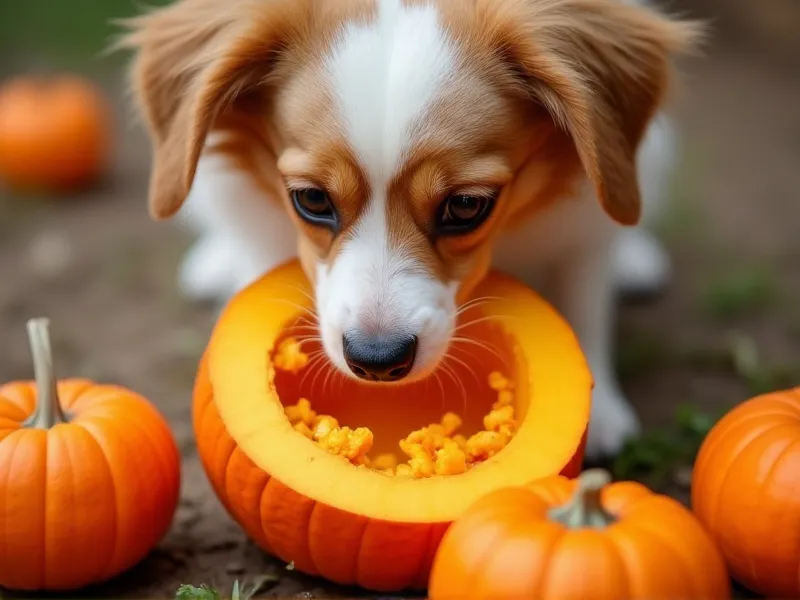
Table of Contents
- Can Dogs Eat Pumpkin Flesh? The Short Answer
- The Surprising Benefits of Pumpkin for Dogs
- Risks to Watch For: What Makes Pumpkin Unsafe?
- How to Prepare Pumpkin for Your Dog (Step-by-Step)
- How Much Pumpkin Can Dogs Eat? Serving Sizes by Breed
- Healthy Alternatives to Pumpkin (If Your Dog Doesn’t Like It)
- FAQ: Your Pumpkin Questions Answered
- Conclusion: Pumpkin as a Treat, Not a Staple
- References
Can Dogs Eat Pumpkin Flesh? The Short Answer
Yes, dogs can eat plain, cooked pumpkin flesh (the soft, orange “inside” of the pumpkin). In fact, many vets recommend it as a natural remedy for digestive issues like diarrhea or constipation. Pumpkin is low in calories, high in fiber, and packed with vitamins—making it a healthy, dog-friendly snack when served correctly.
But there’s a catch: Not all pumpkin products are safe. Avoid pumpkin pie filling (it’s loaded with sugar and toxic spices like nutmeg), moldy pumpkin, or raw pumpkin (hard to digest). Stick to plain, cooked flesh, and keep portions small.
The Surprising Benefits of Pumpkin for Dogs
Pumpkin isn’t just a seasonal decoration—it’s a nutritional powerhouse for dogs. Here’s why this humble gourd deserves a spot in your pup’s treat rotation:
1. Gentle Fiber for Digestive Health
Pumpkin is rich in fiber—both soluble and insoluble—which makes it a go-to for vets treating digestive upsets.
- Soluble fiber (found in pumpkin’s flesh) absorbs water, forming a gel-like substance that slows digestion. This helps firm up loose stools (great for diarrhea) and soothes an irritated gut.
- Insoluble fiber adds bulk to stool, which can relieve constipation by encouraging regular bowel movements.
Many pet parents swear by pumpkin for “resetting” their dog’s digestion. As Dr. Jennifer Coates, a veterinary writer for PetMD, notes: “Pumpkin is a common recommendation for dogs with diarrhea or constipation because its fiber content helps regulate the digestive tract.”
2. Low-Calorie, Nutrient-Dense
Pumpkin is low in calories (about 25 calories per cup of cooked, mashed pumpkin) but high in essential vitamins and minerals:
- Vitamin A: Supports eye health, skin, and immune function. (Don’t worry—pumpkin contains beta-carotene, which the body converts to vitamin A as needed, so it’s unlikely to cause toxicity unless overfed.)
- Vitamin C & E: Antioxidants that fight inflammation and boost the immune system.
- Potassium: Important for heart health, muscle function, and fluid balance.
- Iron: Helps transport oxygen in the blood.
For overweight dogs or those on a diet, pumpkin is a filling, low-calorie treat that won’t derail their weight loss goals.
3. Supports Healthy Skin & Coat
The vitamins in pumpkin (A, C, E) and its high water content (about 90%) promote healthy skin and a shiny coat. Vitamin A, in particular, helps maintain the integrity of the skin’s outer layer, reducing dryness and flakiness.
4. May Help with Weight Management
Because pumpkin is high in fiber and low in calories, it can help dogs feel full without overeating. Adding a spoonful to your dog’s regular food (in moderation!) may reduce their appetite for extra treats, supporting weight loss or maintenance.
Risks to Watch For: What Makes Pumpkin Unsafe?
While pumpkin flesh is generally safe, there are a few pitfalls to avoid:
1. Pumpkin Pie Filling = Toxic Danger
Never feed your dog pumpkin pie filling! This canned product is loaded with sugar, salt, and spices like nutmeg—all of which are harmful to dogs. Nutmeg contains myristicin, a compound that can cause seizures, tremors, or even liver damage in dogs when ingested in large amounts. Always check labels: Look for “100% pumpkin” with no added ingredients.
2. Too Much Fiber = Stomach Upset
While fiber is good, too much can backfire. Introducing large amounts of pumpkin too quickly can cause:
- Gas, bloating, or diarrhea
- Stomach cramps
- Reduced appetite (from feeling too full)
Start small—even a few tablespoons for a large dog—and monitor your pup for 24 hours. If they develop loose stools or gas, cut back.
3. Moldy or Spoiled Pumpkin
Moldy pumpkin is a big no-no. Mold produces mycotoxins, which can cause vomiting, diarrhea, seizures, or liver failure in dogs. If your pumpkin has been sitting out (e.g., a carved jack-o’-lantern), toss it once it starts to get soft or fuzzy.
4. Raw Pumpkin (Hard to Digest)
Raw pumpkin flesh is tough and fibrous, making it hard for dogs to break down. This can lead to choking, intestinal blockages (in small dogs), or stomach upset. Always cook pumpkin before feeding it to your pup—steaming or boiling until soft makes it easy to mash and digest.
How to Prepare Pumpkin for Your Dog (Step-by-Step)
Preparing pumpkin for your dog is simple, whether you use fresh or canned. Here’s how to do it safely:
Fresh Pumpkin:
- Choose a small, sugar pumpkin (not a giant carving pumpkin—they’re stringier and less sweet).
- Wash the outside to remove dirt.
- Cut off the top and bottom, then slice the pumpkin in half. Scoop out the seeds and stringy “guts” (save seeds for roasting for humans—more on dog-safe seeds later!).
- Remove the skin (optional, but easier to digest). Or, bake the halves face-down at 350°F (175°C) for 45–60 minutes until soft, then scoop out the flesh (skin will separate easily).
- Mash or puree the cooked flesh. Let it cool before serving.
Canned Pumpkin:
- Buy plain, unsweetened canned pumpkin (check the label for “100% pumpkin”). Avoid “pumpkin pie mix” at all costs.
- Drain excess liquid (some cans have watery pumpkin; drain to thicken).
- Serve plain—no added salt, butter, or spices.
How Much Pumpkin Can Dogs Eat? Serving Sizes by Breed
Pumpkin should be a supplement, not a meal. The amount depends on your dog’s size:
| Dog Size | Daily Pumpkin Serving (Cooked/Mashed) |
|---|---|
| Small (5–20 lbs) | 1–2 tablespoons |
| Medium (21–50 lbs) | 2–3 tablespoons |
| Large (51–90 lbs) | ¼ cup |
| Extra-Large (90+ lbs) | ½ cup |
Note: These are general guidelines. Always consult your vet before adding pumpkin to your dog’s diet, especially if they have health conditions like diabetes or kidney disease.
Healthy Alternatives to Pumpkin (If Your Dog Doesn’t Like It)
Not all dogs love pumpkin—and that’s okay! Here are a few fiber-rich alternatives to try:
1. Sweet Potatoes
Like pumpkin, sweet potatoes are high in fiber and vitamins (A, C, B6). They’re slightly sweeter, so some dogs prefer them. Serve cooked, mashed, and plain (no butter or cinnamon).
2. Butternut Squash
Butternut squash has a smooth texture and mild flavor that many dogs enjoy. It’s packed with fiber, vitamin A, and potassium—similar to pumpkin.
3. Green Beans
For a low-carb, crunchy option, try steamed green beans. They’re high in fiber, low in calories, and great for dogs watching their weight.
FAQ: Your Pumpkin Questions Answered
Q: Can dogs eat raw pumpkin?
A: It’s not recommended. Raw pumpkin is tough to digest and may cause stomach upset or choking. Always cook pumpkin until soft before feeding.
Q: Is canned pumpkin better than fresh for dogs?
A: Both are safe! Canned pumpkin is convenient (no peeling or cooking), but check the label to ensure it’s 100% pumpkin with no additives. Fresh pumpkin is great if you have extra from carving or cooking.
Q: My dog has diarrhea—will pumpkin help?
A: Yes! Vets often recommend pumpkin for diarrhea because its soluble fiber absorbs excess water in the gut, firming up stools. Start with a small amount (1–2 tbsp for a small dog) and gradually increase if needed.
Q: Can pumpkin help with my dog’s constipation?
A: Absolutely! The insoluble fiber in pumpkin adds bulk to stool, making it easier to pass. Mix 1–2 tbsp (depending on size) into their food and ensure they have plenty of water.
Q: Are pumpkin seeds safe for dogs?
A: In very small amounts, plain, roasted pumpkin seeds are okay (they’re a source of omega-3s). But whole seeds can be a choking hazard, and large amounts may cause intestinal blockages. It’s safer to avoid or crush them into a powder first.
Q: My dog ate moldy pumpkin—what should I do?
A: Contact your vet immediately. Moldy pumpkin can contain mycotoxins, which are toxic to dogs. Symptoms of mold poisoning include vomiting, diarrhea, lethargy, or seizures.
Conclusion: Pumpkin as a Treat, Not a Staple
Pumpkin is a safe, healthy treat for most dogs when served plain, cooked, and in moderation. Its fiber and nutrients can support digestion, skin health, and weight management—but it’s not a replacement for a balanced dog food.
As with any new food, start small, watch for signs of stomach upset, and consult your vet if you have questions. And this fall, when you’re carving pumpkins or baking pies, feel free to share a tiny spoonful of mashed pumpkin with your pup—their wagging tail will thank you!
References
- American Kennel Club (AKC). “Can Dogs Eat Pumpkin?” akc.org/expert-advice/nutrition/can-dogs-eat-pumpkin
- ASPCA. “Toxic and Non-Toxic Plants: Pumpkin.” aspca.org/pet-care/animal-poison-control/toxic-and-non-toxic-plants/pumpkin
- PetMD. “Pumpkin for Dogs: Benefits, Risks, and Serving Sizes.” petmd.com/dog/nutrition/can-dogs-eat-pumpkin
- VCA Hospitals. “Fiber in Dog Food: Why It Matters.” vcahospitals.com/know-your-pet/fiber-in-dog-food