· 7 min read
Can Dogs Eat Corn Cobs? The Surprising Truth Every Pet Parent Should Know
It’s a warm summer evening, and you’re grilling up a storm in the backyard. The scent of charred burgers mingles with the sweet, buttery aroma of fresh corn on the cob. Your dog, Max, is at your feet, tail thumping a mile a minute, eyes locked on the picnic table. Just as you turn to grab a napkin, he lunges—snatching a half-eaten corn cob off a plate and swallowing a chunk before you can react.
Panic sets in. Is that corn cob going to hurt him?
If you’ve ever found yourself in this scenario, you’re not alone. Corn is a summer staple, and our curious pups are always eager to share in the feast. But when it comes to corn cobs, the answer isn’t as simple as “yes” or “no.” Let’s dive into the facts to keep your furry friend safe and healthy.
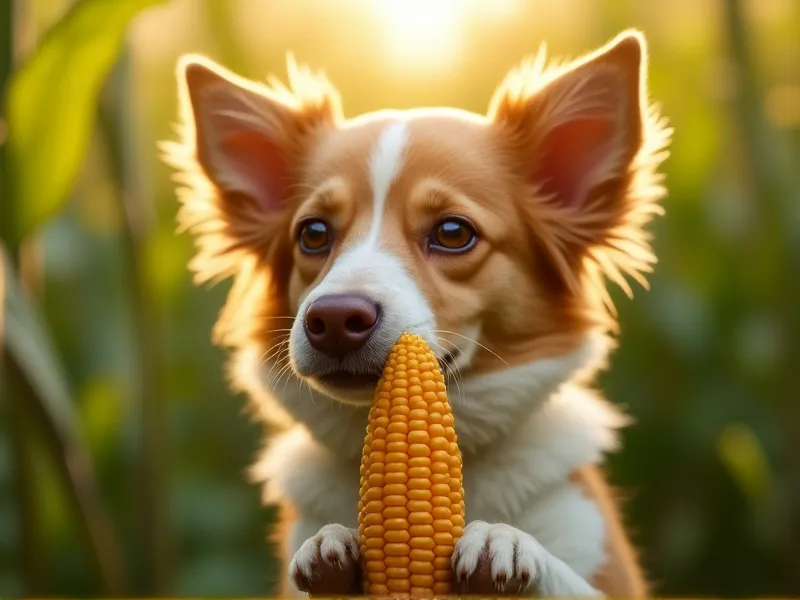
Table of Contents
- Can Dogs Eat Corn Cobs? The Short Answer
- The Nutritional Lowdown: Benefits of Corn (Kernels) for Dogs
- The Hidden Risks: Why Corn Cobs Are a Hazard
- How Much Corn (Kernels) Can Dogs Safely Eat? Guidelines for Pet Parents
- Healthier Alternatives to Corn Cobs for Dogs
- FAQ: Your Top Corn Cob Questions Answered
- Conclusion: Prioritizing Your Pup’s Safety This BBQ Season
- References
Can Dogs Eat Corn Cobs? The Short Answer
No, dogs should not eat corn cobs.
While fresh corn kernels (in moderation) are generally safe and even nutritious for dogs, the cob itself is a serious choking and intestinal blockage hazard. Unlike kernels, corn cobs are tough, fibrous, and indigestible—meaning they can get stuck in your dog’s throat, stomach, or intestines. In severe cases, this can require emergency surgery or even be fatal.
The Nutritional Lowdown: Benefits of Corn (Kernels) for Dogs
Before we focus on the risks of cobs, let’s clarify: corn kernels are not the enemy. In fact, plain, cooked corn kernels (without butter, salt, or spices) can be a healthy occasional treat for dogs. Here’s why:
1. Essential Nutrients
Corn is packed with vitamins and minerals that support your dog’s health:
- Vitamin A: Important for eye health, immune function, and skin coat.
- B Vitamins (Thiamine, Niacin): Help convert food into energy and support brain function.
- Vitamin C: An antioxidant that boosts immunity and fights inflammation.
- Potassium: Regulates heart rate and muscle function.
2. Fiber for Digestion
Corn contains both soluble and insoluble fiber, which can aid digestion by promoting regular bowel movements. Just remember: moderation is key—too much fiber can cause diarrhea.
3. Energy Boost
Corn is a good source of carbohydrates, which provide quick energy. This makes it a common ingredient in many commercial dog foods (though it’s often debated as a “filler”—more on that later).
Note: Always opt for plain, cooked corn kernels. Avoid canned corn (high in sodium) or corn with added seasonings, butter, or sugar, which can upset your dog’s stomach or lead to obesity.
The Hidden Risks: Why Corn Cobs Are a Hazard
Now, let’s get to the real concern: the cob. Here’s why it’s never safe to let your dog chew or ingest even a small piece:
1. Choking Hazard
Corn cobs are hard and cylindrical, making them easy for dogs to bite off large chunks. These pieces can get lodged in your dog’s throat, blocking their airway. Signs of choking include:
- Gagging or retching
- Pawing at the mouth
- Difficulty breathing
- Blue gums (a sign of oxygen deprivation)
If you suspect your dog is choking, act fast: perform the Heimlich maneuver for dogs (if trained) and contact your vet immediately.
2. Intestinal Blockage
Even if your dog swallows a cob piece without choking, the real danger is intestinal blockage. Corn cobs are indigestible—your dog’s stomach and intestines can’t break down the tough fibers. Over time, the cob can get stuck, causing:
- Vomiting (especially after eating)
- Loss of appetite
- Lethargy
- Abdominal pain (your dog may whine, pant, or refuse to lie down)
- Constipation or diarrhea (with or without blood)
Left untreated, a blockage can cut off blood flow to the intestines, leading to tissue death, sepsis, or death. Surgery is often required to remove the blockage, which is costly and risky.
3. Stomach Upset
Even small cob fragments can irritate your dog’s digestive tract, leading to nausea, diarrhea, or constipation. Puppies, senior dogs, and dogs with sensitive stomachs are especially vulnerable.
How Much Corn (Kernels) Can Dogs Safely Eat? Guidelines for Pet Parents
If you want to share corn with your dog, stick to plain, cooked kernels—and keep portions tiny. Here’s a general rule of thumb:
- Small dogs (under 20 lbs): 1–2 tablespoons of kernels, no more than once a week.
- Medium dogs (20–50 lbs): 2–3 tablespoons, once a week.
- Large dogs (50+ lbs): 3–4 tablespoons, once a week.
Important Tips:
- Always remove kernels from the cob first. Use a knife to slice them off (or rub the cob with a spoon) to avoid any cob fragments.
- Avoid “flavored” corn: No butter, salt, pepper, or BBQ sauce. These additives can cause pancreatitis (from fat) or sodium poisoning.
- Don’t make corn a daily treat. It’s high in carbs, so overfeeding can lead to weight gain or obesity.
- Check for allergies: Some dogs may be allergic to corn. Watch for itching, redness, or diarrhea after feeding.
Healthier Alternatives to Corn Cobs for Dogs
If you’re looking for safe, low-risk treats to replace corn cobs, try these options—they’re packed with nutrients and easy to digest:
1. Carrot Sticks
Crunchy, low-calorie, and full of vitamin A—carrots are great for dental health (they scrape plaque!) and make a satisfying snack.
2. Green Beans
Fresh or steamed green beans are high in fiber and vitamins (like K and C) and low in calories. They’re perfect for dogs on a diet!
3. Cucumber Slices
Hydrating and crunchy, cucumbers are a refreshing summer treat with zero fat or sugar.
4. Apple Slices (No Seeds!)
Apples are rich in fiber and vitamin C. Just remove the core and seeds (which contain small amounts of cyanide) first.
5. Blueberries
These tiny superfoods are loaded with antioxidants and low in sugar—great for training treats or a frozen summer snack.
FAQ: Your Top Corn Cob Questions Answered
Q: My dog ate a corn cob—what should I do?
A: Call your vet immediately. Even if your dog seems fine, cob fragments can take hours or days to cause blockage symptoms. Your vet may recommend inducing vomiting (if eaten recently) or monitoring for signs of blockage (vomiting, lethargy). Do not wait for symptoms—act fast!
Q: Can puppies eat corn cobs?
A: Puppies have smaller airways and digestive tracts, making corn cobs even more dangerous. Never let puppies near cobs.
Q: Is cooked corn cob safer than raw?
A: No. Cooking softens the cob slightly, but it’s still indigestible and can still cause blockages.
Q: Are corn kernels in dog food safe?
A: Yes, most commercial dog foods contain corn (or cornmeal) as a carbohydrate source. While some argue it’s a “filler,” the FDA and AKC state that corn is a safe and nutritious ingredient for dogs when included in balanced diets.
Q: Can dogs eat popcorn?
A: Plain, air-popped popcorn (no butter, salt, or sugar) is safe in small amounts. Avoid unpopped kernels—they’re a choking hazard!
Conclusion: Prioritizing Your Pup’s Safety This BBQ Season
Corn kernels can be a tasty, nutritious treat for dogs in moderation—but corn cobs are never worth the risk. The next time you fire up the grill, keep cobs out of reach, and opt for safe alternatives like carrots or green beans instead.
Remember: Every dog is different, so when in doubt, consult your vet. They can help you determine the best treats for your pup’s age, size, and health needs.
Here’s to a summer of safe, happy snacking with your furry best friend! 🐾
References
- American Society for the Prevention of Cruelty to Animals (ASPCA). (n.d.). People Foods to Avoid Feeding Your Pets. https://www.aspca.org/pet-care/animal-poison-control/people-foods-avoid-feeding-your-pets
- American Kennel Club (AKC). (2023). Can Dogs Eat Corn? https://www.akc.org/expert-advice/nutrition/can-dogs-eat-corn/
- VCA Hospitals. (n.d.). Intestinal Foreign Bodies in Dogs. https://vcahospitals.com/know-your-pet/intestinal-foreign-bodies-in-dogs
- PetMD. (2022). Can Dogs Eat Corn? Benefits and Risks. https://www.petmd.com/dog/nutrition/can-dogs-eat-corn