· 9 min read
Can Dogs Eat T-Bone Steak? The Surprising Truth Every Pet Parent Should Know
It’s a familiar scene: You’re grilling up a juicy T-bone steak on a sunny afternoon, the aroma wafting through the air. Beside you, your dog sits patiently, tail thumping a steady rhythm against the deck, their big, hopeful eyes locked on your plate. “Just a tiny bite won’t hurt, right?” you think. After all, dogs are carnivores—surely they’d love a taste of that prime cut. But before you toss them a sliver, there’s a crucial question to answer: Can dogs eat T-bone steak safely?
In this guide, we’ll break down the facts, separating myth from reality. We’ll explore the potential benefits of sharing some parts of a T-bone, the very real risks (spoiler: the bone is a big one), and how to keep your pup happy and healthy if you decide to treat them. Let’s dig in!
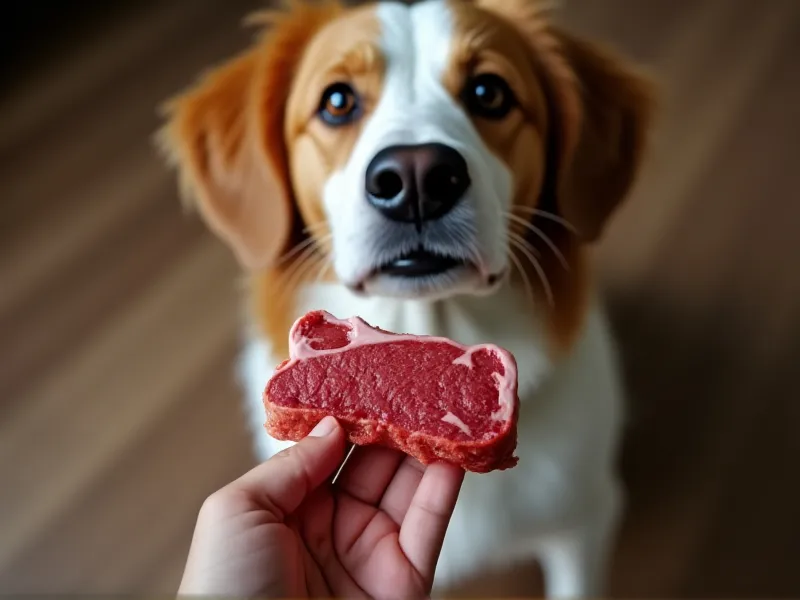
Table of Contents
- Can Dogs Eat T-Bone Steak? The Short Answer
- The Benefits of T-Bone Steak Meat for Dogs
- The Risks: Why T-Bone Steak Isn’t Always Safe
- Safe Feeding Guidelines: If You Choose to Share
- Healthier Alternatives to T-Bone Steak
- FAQ: Your T-Bone Steak Questions Answered
- Conclusion: Prioritize Safety, Enjoy the Treats
- References
Can Dogs Eat T-Bone Steak? The Short Answer
Here’s the bottom line: Dogs can eat small amounts of the meat from a T-bone steak, but they should never, ever eat the bone.
The lean, unseasoned meat from a T-bone is a protein-rich treat that most dogs will love. However, the bone—whether cooked or raw—is a serious hazard. T-bone bones are large, dense, and shaped in a way that makes them prone to splintering or getting stuck in your dog’s throat, stomach, or intestines. Even “raw bones” (a popular myth among some pet owners) carry risks like bacterial contamination or intestinal blockages.
So, if you’re grilling or cooking a T-bone, you can share a tiny piece of the meat as an occasional treat—but skip the bone entirely. Let’s break down why, and how to do it safely.
The Benefits of T-Bone Steak Meat for Dogs
If you remove the bone, trim the fat, and skip the seasoning, the meat from a T-bone steak offers some nutritional perks for your pup. Here’s what makes it a (moderate) win:
1. High-Quality Protein
Protein is the building block of a dog’s diet, supporting muscle growth, repair, and overall energy. T-bone steak is packed with complete protein, meaning it contains all the essential amino acids your dog needs (think: lysine, methionine) that their body can’t make on its own. A small serving can help keep their muscles strong—especially for active dogs or seniors needing extra support.
2. Essential Minerals: Iron, Zinc, and Selenium
Red meat like beef is rich in heme iron, a form of iron that’s easily absorbed by dogs (unlike the non-heme iron in plants). Iron helps transport oxygen in the blood, preventing anemia. Zinc, another key mineral, supports immune function, skin health, and wound healing. Selenium, found in trace amounts, acts as an antioxidant, protecting cells from damage.
3. B Vitamins for Energy
T-bone meat is a good source of B vitamins, including B12, niacin (B3), and riboflavin (B2). These vitamins play a role in converting food into energy, maintaining a healthy nervous system, and supporting brain function. For dogs with low energy levels, a small boost of B vitamins from meat can be beneficial (though it’s no substitute for a balanced diet).
The Risks: Why T-Bone Steak Isn’t Always Safe
While the meat has benefits, T-bone steak comes with significant risks—most of which are tied to the bone, fat, or seasonings. Let’s unpack each danger.
The Dangers of T-Bone Bones
This is the biggest risk by far. T-bone bones are large, thick, and curved, with a “T” shape that makes them especially hazardous. Here’s why they’re a no-go:
- Choking Hazard: The bone’s size and shape can easily get lodged in your dog’s throat, blocking their airway. Small dogs are at higher risk, but even large breeds can choke if they try to swallow a chunk whole.
- Splintering: Cooking makes bones brittle. When a dog chews a cooked T-bone, it can shatter into sharp fragments that tear the esophagus, stomach, or intestines. This can cause internal bleeding, infection, or a life-threatening blockage requiring surgery.
- Intestinal Blockages: Even if the bone doesn’t splinter, large pieces can get stuck in the intestines, preventing food from passing. Symptoms include vomiting, diarrhea, lethargy, or loss of appetite—and often require emergency vet care.
Myth Busting: You might have heard that “raw bones are safe.” While raw bones are less likely to splinter than cooked ones, they’re not risk-free. Raw T-bone bones can still crack into sharp edges, and they’re a breeding ground for bacteria like Salmonella or E. coli, which can sicken both dogs and humans. The American Veterinary Medical Association (AVMA) explicitly warns against feeding dogs any bones, raw or cooked.
Fatty Trimmings and Pancreatitis Risk
T-bone steaks are often marbled with fat or have thick fatty edges. While a little fat is okay, too much can trigger a painful condition called pancreatitis. The pancreas produces enzymes to digest food; when a dog eats a high-fat meal, the pancreas can become inflamed, releasing enzymes that attack its own tissue.
Symptoms of pancreatitis include severe abdominal pain, vomiting, diarrhea, and lethargy. In severe cases, it can lead to organ failure. Dogs with obesity, diabetes, or a history of pancreatitis are especially at risk. Even healthy dogs can develop pancreatitis from a single fatty treat, so trimming all visible fat from T-bone meat is non-negotiable.
Seasonings and Additives: Hidden Toxins
Most T-bone steaks are seasoned with salt, pepper, garlic, onion, herbs, or marinades. Many of these are toxic to dogs:
- Onion/Garlic: These contain compounds that damage red blood cells, leading to anemia. Even small amounts (like in a marinade) can be harmful over time.
- Salt: Excess salt causes dehydration, electrolyte imbalances, or sodium ion poisoning. Symptoms include excessive thirst, vomiting, or seizures.
- Spices: Black pepper, paprika, or chili powder can irritate a dog’s stomach, causing vomiting or diarrhea.
Always serve T-bone meat unseasoned if you choose to share it.
Safe Feeding Guidelines: If You Choose to Share
If you want to treat your dog to a tiny piece of T-bone meat (after removing the bone, fat, and seasoning), follow these rules to keep them safe:
1. Remove the Bone First
Before even thinking about sharing, cut the meat away from the bone. Discard the bone in a secure trash can (dogs are masters at raiding bins!). Never leave a T-bone plate unattended—your pup might sneak a bite of the bone when you’re not looking.
2. Trim All Fat
Use a knife to cut off every visible bit of fat. Even a small fatty chunk can cause stomach upset or pancreatitis.
3. Cook It Thoroughly
Raw meat carries bacteria like Salmonella, which can make dogs (and humans) sick. Cook the meat until it’s well-done to kill pathogens. Avoid rare or medium-rare for your pup.
4. Keep Portions Tiny
Treats should make up no more than 10% of your dog’s daily calories. For a 30-pound dog, that’s about 1-2 ounces of T-bone meat (the size of a deck of cards). For a 60-pound dog, 2-3 ounces. Overfeeding can lead to obesity or nutrient imbalances.
5. Supervise and Monitor
Always watch your dog while they eat the treat. If they gulp it down too fast, they might choke. Afterward, keep an eye out for signs of stomach upset (vomiting, diarrhea) or discomfort. If you notice anything unusual, contact your vet.
Healthier Alternatives to T-Bone Steak
If you want to spoil your dog with a meaty treat but want to skip the T-bone risks, try these safer options:
1. Lean Cooked Beef (No Bones!)
Plain, unseasoned beef chuck, sirloin, or round steak (trimmed of fat) is just as tasty as T-bone meat but without the bone hazard. It offers the same protein and nutrients, minus the risk of splinters.
2. Chicken or Turkey Breast
Skinless, boneless chicken or turkey breast is low in fat and high in protein. It’s gentle on sensitive stomachs and a favorite among most dogs.
3. Fish (Salmon or Cod)
Cooked, deboned salmon is rich in omega-3 fatty acids, which support skin and coat health. Cod is another lean option—just avoid fish with small bones (like sardines) unless they’re canned and boneless.
4. Commercial Dog Treats
For convenience, opt for vet-recommended dog treats made with high-quality ingredients. Look for options with single-protein sources (e.g., “beef jerky” with no added sugars or preservatives) to avoid hidden toxins.
Remember: The best diet for your dog is a balanced commercial dog food formulated for their age, size, and health needs. Treats should be occasional, not a replacement for meals.
FAQ: Your T-Bone Steak Questions Answered
Q: Can puppies eat T-bone steak meat?
A: Puppies have sensitive tummies and developing digestive systems. A tiny piece of plain, cooked, fat-free T-bone meat is okay as an occasional treat, but avoid it if they’re prone to stomach upset. Always check with your vet first, especially for large breeds (who have different growth needs).
Q: My dog stole a T-bone bone! What should I do?
A: Don’t panic, but act fast. If the bone is still in their mouth, try to gently remove it (be careful—they might bite). If they swallowed it, call your vet immediately. Watch for symptoms like vomiting, diarrhea, or lethargy, and follow your vet’s advice (they may recommend inducing vomiting or monitoring for blockages).
Q: Is grass-fed or organic T-bone steak safer for dogs?
A: Grass-fed or organic meat may have fewer pesticides or hormones, but the bone and fat risks remain the same. The type of steak doesn’t change the danger of splintering or pancreatitis.
Q: Can dogs eat T-bone steak gravy?
A: No. Gravy is often high in fat, salt, and seasonings (like onion powder). Even a small spoonful can upset their stomach or trigger pancreatitis.
Conclusion: Prioritize Safety, Enjoy the Treats
Sharing a meal with your dog is one of life’s little joys—and a tiny piece of T-bone meat (sans bone, fat, and seasoning) can be a delicious, occasional treat. But the bone is never worth the risk. By following the guidelines above, you can keep your pup’s tail wagging and their belly happy.
Remember: Every dog is different. If your dog has health issues (like pancreatitis, kidney disease, or allergies), check with your vet before introducing new treats. When in doubt, stick to lean, unseasoned proteins or commercial dog treats designed for their needs.
Here’s to many more steak nights—with your dog safely enjoying their own (bone-free!) bite. 🥩🐾
References
- American Veterinary Medical Association (AVMA). “Bones Are Not a Dog’s Best Friend.” avma.org/resources/pet-owners/nutrition/bones-are-not-dogs-best-friend
- American Society for the Prevention of Cruelty to Animals (ASPCA). “People Foods to Avoid Feeding Your Pets.” aspca.org/pet-care/animal-poison-control/people-foods-avoid-feeding-your-pets
- Cummings School of Veterinary Medicine at Tufts University. “Pancreatitis in Dogs.” tuftscvm.org/for-pet-owners/dog-owners/pancreatitis-in-dogs
- PetMD. “Can Dogs Eat Steak? What You Need to Know.” petmd.com/dog/nutrition/can-dogs-eat-steak