· 7 min read
Can Dogs Eat Syrup and Pancakes? A Pet Parent’s Guide to Breakfast Treats
It’s Sunday morning. The griddle sizzles, butter melts into golden pools, and the sweet aroma of pancakes wafts through the house. You flip a fluffy stack, drizzle on syrup, and—cue the puppy eyes. Your dog is parked at your feet, tail thumping, nose twitching, clearly begging for a bite. “Just a tiny taste?” you wonder. But can dogs eat syrup and pancakes, or is this breakfast staple a recipe for trouble? Let’s break it down.
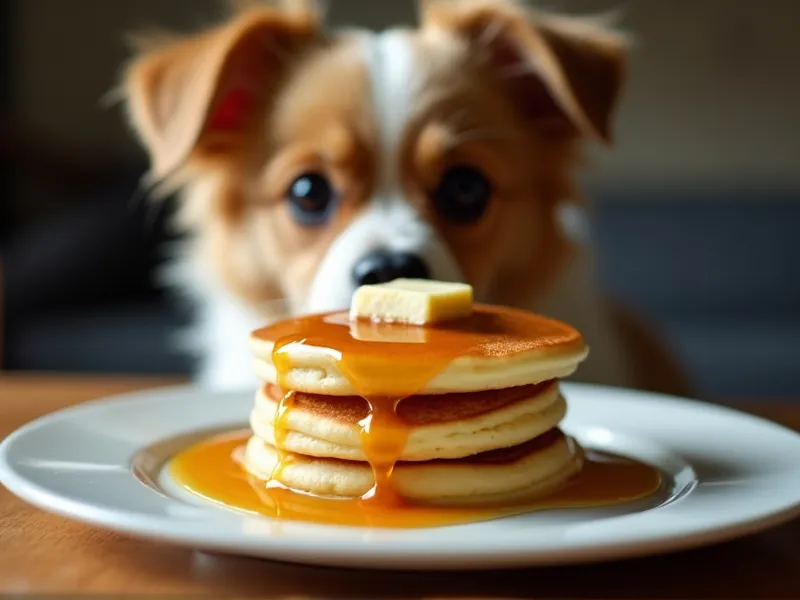
Table of Contents
- Can Dogs Eat Pancakes and Syrup? The Short Answer
- Potential Benefits (Yes, There Are a Few!)
- The Risks: Why Syrup and Pancakes Can Be Problematic
- How Much Is Safe? Guidelines for Pet Parents
- Healthier Alternatives to Share
- FAQ: Your Top Questions Answered
- Conclusion: Moderation Is Key
1. Can Dogs Eat Pancakes and Syrup? The Short Answer
Let’s cut to the chase: Plain, unseasoned pancakes (without syrup, butter, or toppings) are not toxic to dogs, but they’re far from a healthy choice. Think of them as a “neutral” food—safe in tiny, occasional amounts, but not something you should feed regularly.
Syrup, on the other hand, is a different story. Most syrups are loaded with sugar, and some contain dangerous additives. Syrup is not recommended for dogs, even in small quantities, due to the risks of sugar overload and potential toxins.
2. Potential Benefits (Yes, There Are a Few!)
Before we dive into the risks, let’s acknowledge the minimal upsides of plain pancakes. If you’re sharing a tiny bite (no syrup!), here’s what your dog might get:
Whole Grains = Fiber (If Used)
If the pancake is made with whole wheat flour (not refined white flour), it may contain small amounts of fiber. Fiber supports digestive health by keeping things moving in the gut. However, most store-bought or restaurant pancakes use white flour, which is stripped of fiber and nutrients—so this benefit only applies to homemade, whole-grain versions.
Eggs = Protein
Many pancake recipes include eggs, which are a great source of protein for dogs. Protein helps build muscle, repair tissue, and support overall energy. Again, this is a small bonus—your dog gets plenty of protein from their regular dog food.
Minimal Nutrients (But Not Worth It)
Pancakes might have trace amounts of iron (from flour) or calcium (from milk, if used), but these are negligible compared to a balanced dog food. Think of pancakes as “empty calories” for dogs—they fill them up without offering much nutritional value.
3. The Risks: Why Syrup and Pancakes Can Be Problematic
Now, let’s get real: The risks of feeding syrup and pancakes to dogs far outweigh the tiny benefits. Here’s what to watch out for:
Syrup: A Sugar Bomb (and Sometimes Toxic)
Syrup is the biggest concern here. Let’s break down the dangers:
High Sugar Content
Maple syrup, pancake syrup, and honey are all packed with sugar. Dogs don’t need sugar in their diet, and excess sugar leads to:
- Obesity: Extra calories from sugar quickly add up, leading to weight gain and related issues like joint pain or heart disease.
- Diabetes: Chronic sugar intake can disrupt insulin regulation, increasing the risk of canine diabetes.
- Dental Disease: Sugar feeds harmful bacteria in the mouth, causing plaque, tartar, and tooth decay.
Xylitol: A Hidden Toxin
Some “sugar-free” syrups use xylitol, an artificial sweetener. Xylitol is EXTREMELY TOXIC TO DOGS, even in small amounts. It causes a rapid release of insulin, leading to life-threatening hypoglycemia (low blood sugar), seizures, liver failure, or death. Always check the label—if a syrup says “sugar-free,” assume it contains xylitol unless proven otherwise.
Source: American Veterinary Medical Association (AVMA), Xylitol Toxicity in Dogs
Pancakes: Rich, Risky, and Hard to Digest
Even plain pancakes (without syrup) can cause issues for dogs, thanks to common ingredients:
Butter, Milk, and Lactose Intolerance
Most pancakes are cooked with butter (high in fat) and milk. Many adult dogs are lactose intolerant—they lack the enzyme (lactase) needed to digest milk sugar (lactose). This can lead to diarrhea, gas, or bloating. Butter adds unnecessary fat, which can trigger pancreatitis (a painful, potentially fatal inflammation of the pancreas) in sensitive dogs.
Baking Powder: Sodium Concerns
Baking powder contains sodium bicarbonate (baking soda), which helps pancakes rise. In large amounts, sodium bicarbonate can cause electrolyte imbalances, vomiting, or muscle tremors. A single pancake has a tiny amount, but feeding multiple pancakes could add up to trouble.
Choking Hazard
Dry, crumbly pancakes (or large pieces) can get stuck in a dog’s throat, especially for small breeds or dogs who gulp their food. Always break pancakes into tiny, bite-sized pieces if sharing.
Stomach Upset
Pancakes are high in carbs and fat—far richer than a dog’s usual diet. This can lead to stomachaches, vomiting, or diarrhea, especially in dogs with sensitive stomachs.
4. How Much Is Safe? Guidelines for Pet Parents
If you still want to share a tiny pancake bite (we get it—those puppy eyes are hard to resist!), follow these rules:
Only Plain Pancakes (No Extras!)
- No syrup, honey, or toppings (chocolate, berries with sugar, whipped cream, etc.).
- No butter, milk, or added sugar in the pancake batter.
- Opt for homemade pancakes with minimal ingredients: whole wheat flour, egg, and water (skip the milk and butter).
Size Matters: Stick to Tiny Portions
- Small dogs (under 20 lbs): 1–2 bites (about the size of a dime).
- Medium dogs (20–50 lbs): A small piece (about the size of a quarter).
- Large dogs (50+ lbs): Up to ¼ of a small pancake (no bigger than your palm).
Occasional Treats Only
Pancakes should be a once-in-a-blue-moon treat—not a weekly indulgence. Too many treats (even “safe” ones) can unbalance your dog’s diet and lead to weight gain.
5. Healthier Alternatives to Share
Instead of risky pancakes and syrup, try these dog-friendly breakfast treats:
Homemade Dog Pancakes
Whip up a batch of these simple, healthy pancakes for your pup:
- Ingredients: ½ cup whole wheat flour, 1 egg, ¼ cup unsweetened applesauce, 2–3 tbsp water (to thin batter).
- Cook: Heat a non-stick pan over low heat, pour small spoonfuls of batter, and cook until golden. Let cool, then serve plain.
Sweet Potato “Pancakes”
Grate a cooked sweet potato, mix with a little egg, and form into patties. Microwave or pan-fry (no oil) for a fiber-rich, naturally sweet treat.
Fresh Fruit (No Added Sugar!)
Blueberries, bananas, or sliced apples make great low-sugar alternatives to syrup. They’re packed with vitamins and fiber—much healthier than sugar.
Plain Greek Yogurt
A spoonful of plain, unsweetened Greek yogurt (lactose-free, if your dog is sensitive) is creamy and protein-rich. Skip the syrup—top with a few blueberries instead!
6. FAQ: Your Top Questions Answered
Q: Can dogs eat maple syrup?
A: No. Maple syrup is high in sugar (1 tbsp has ~14g of sugar!) and offers no nutritional benefits. Even “pure” maple syrup is a sugar bomb for dogs.
Q: What if my dog ate syrup by accident?
A: If it’s regular syrup (no xylitol), monitor for vomiting, diarrhea, or hyperactivity (from sugar). If it’s sugar-free syrup, call your vet immediately—xylitol toxicity can be fatal within hours.
Q: Are blueberry pancakes safe for dogs?
A: Plain blueberry pancakes (no syrup, butter, or sugar) are safer than regular pancakes, but blueberries are still a topping. Stick to a tiny piece, and avoid if the batter has milk/butter.
Q: Can dogs eat honey instead of syrup?
A: Honey is still high in sugar and not recommended. Plus, raw honey can contain botulism spores, which are dangerous for puppies or dogs with weak immune systems.
Q: Is pancake mix toxic to dogs?
A: Dry pancake mix can contain high levels of sodium (from baking powder) and may expand in the stomach if eaten in large amounts. Keep mix out of reach!
7. Conclusion: Moderation Is Key
While plain, unseasoned pancakes aren’t toxic to dogs, they’re not a healthy choice. Syrup, on the other hand, is best avoided entirely due to sugar risks and potential toxins like xylitol.
If you do share a tiny pancake bite, keep it plain, small, and occasional. For regular treats, opt for dog-friendly alternatives like fresh fruit or homemade sweet potato patties.
As always, when in doubt, consult your vet—especially if your dog has health issues like diabetes or obesity. Your vet can help you decide if treats like pancakes are safe for your unique pup.
Here’s to happy, healthy breakfasts—for both you and your four-legged friend!
References
- American Veterinary Medical Association (AVMA). (2023). Xylitol Toxicity in Dogs. avma.org/resources/pet-owners/petcare/xylitol-toxicity-dogs
- ASPCA. (2023). People Foods to Avoid Feeding Your Pets. aspca.org/pet-care/animal-poison-control/people-foods-avoid-feeding-your-pets
- VCA Animal Hospitals. (2023). Lactose Intolerance in Dogs. vcahospitals.com/know-your-pet/lactose-intolerance-in-dogs