· 8 min read
Can Dogs Eat Syrup? The Sweet Truth Every Pet Parent Needs to Know
Picture this: It’s a lazy Sunday morning. You’re standing at the stove, flipping golden pancakes, when the sweet, sticky aroma of syrup fills the air. Suddenly, a cold nose bumps your wrist, and you glance down to find your dog—tail thumping, eyes wide, tongue lolling—begging for a tiny taste. You pause, spoon in hand. Is syrup safe for dogs? Can that innocent drizzle of maple or pancake syrup harm your pup, or is it just a harmless indulgence?
If you’ve ever found yourself asking this question, you’re not alone. Syrup is a pantry staple in many homes, and our curious canine companions are always eager to share in our snacks. But when it comes to their health, it’s crucial to separate fact from fiction. In this guide, we’ll break down everything you need to know about dogs and syrup: the short answer, potential benefits (spoiler: they’re minimal), hidden risks, safe serving sizes, and healthier alternatives to satisfy your pup’s sweet tooth.
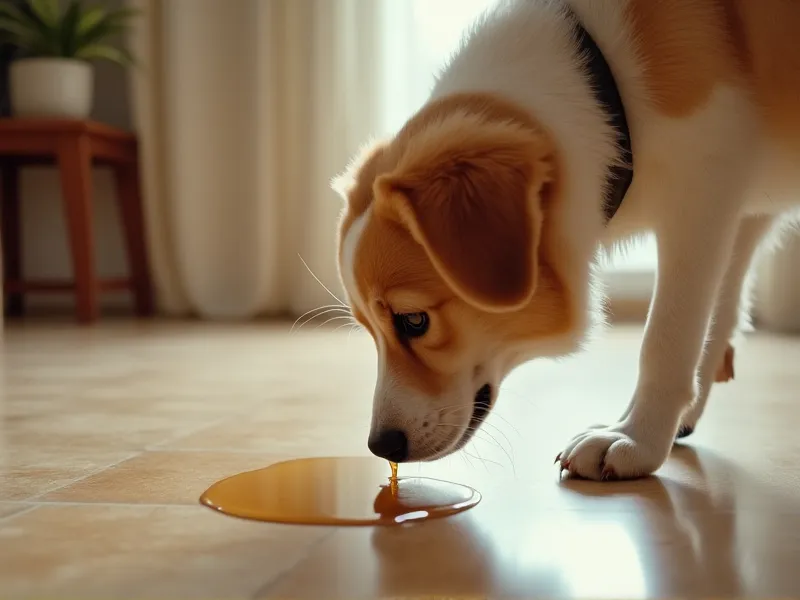
Table of Contents
- Can Dogs Eat Syrup? The Short Answer
- Are There Any Benefits to Syrup for Dogs?
- The Risks: Why Syrup Isn’t a Great Choice for Dogs
- How Much Syrup Is Safe for Dogs?
- Healthier Alternatives to Syrup for Dogs
- FAQ: Your Syrup Questions Answered
- Conclusion: Moderation and Common Sense
- References
Can Dogs Eat Syrup? The Short Answer
Yes, dogs can technically eat small amounts of syrup—but it’s not recommended as a regular treat.
Most syrups (like maple, corn, or pancake syrup) aren’t toxic to dogs in tiny, occasional doses. However, they’re packed with sugar, offer little to no nutritional value, and come with several hidden risks. The key here is moderation—and even then, there are far healthier ways to spoil your pup.
Are There Any Benefits to Syrup for Dogs?
Let’s get this out of the way: Syrup is not a “healthy” food for dogs. While some types (like pure maple syrup) contain trace amounts of nutrients, the sugar content far outweighs any potential upsides. Here’s a closer look:
Pure Maple Syrup: A Sliver of Nutrients (But Not Enough)
Pure maple syrup—made from boiled maple tree sap—contains small amounts of:
- Manganese: Supports bone health and metabolism.
- Zinc: Aids immune function and skin health.
- Antioxidants: May help fight inflammation (though in tiny quantities).
But here’s the catch: To get even a minimal dose of these nutrients, your dog would need to consume far more syrup than is safe. For example, a single tablespoon of maple syrup has about 52 calories and 12 grams of sugar—and only 0.4mg of manganese (a 50lb dog needs ~2mg of manganese daily, so they’d need 5 tablespoons of syrup to meet that need… which is dangerously high in sugar).
Corn Syrup, Pancake Syrup, or “Breakfast Syrup”: No Real Benefits
Most store-bought syrups (like Aunt Jemima or Log Cabin) aren’t pure maple—they’re made with high-fructose corn syrup, artificial flavors, and added sugars. These offer zero nutritional value. They’re essentially empty calories, designed to taste sweet but do nothing for your dog’s health.
Bottom line: Syrup isn’t a nutrient-dense food for dogs. Any “benefits” are negligible and come with significant sugar-related risks.
The Risks: Why Syrup Isn’t a Great Choice for Dogs
While a tiny lick of syrup won’t hurt your dog, larger amounts or regular feeding can lead to serious health issues. Here’s what to watch out for:
1. High Sugar Content: Obesity, Diabetes, and Dental Disease
Dogs’ bodies aren’t built to process large amounts of sugar. Unlike humans, they don’t need carbs for energy in the same way, and excess sugar is quickly stored as fat. Over time, regular sugar intake can lead to:
- Obesity: Extra weight strains joints, heart, and lungs, and increases cancer risk.
- Diabetes: Chronic high sugar can impair insulin function, leading to canine diabetes (a lifelong condition requiring daily insulin shots).
- Dental decay: Sugar feeds harmful bacteria in your dog’s mouth, causing plaque, tartar, and gum disease.
2. Gastrointestinal Upset
Too much sugar can throw off your dog’s gut balance, leading to:
- Diarrhea
- Vomiting
- Bloating
- Stomach cramps
This is especially true for puppies, senior dogs, or dogs with sensitive stomachs. Even a few tablespoons of syrup can trigger GI distress in small breeds.
3. Xylitol: A Hidden Toxic Ingredient
Here’s the biggest red flag: Some “sugar-free” or “low-sugar” syrups use xylitol as a sweetener. Xylitol is extremely toxic to dogs, even in small amounts. It causes a rapid release of insulin, leading to life-threatening low blood sugar (hypoglycemia), seizures, liver failure, or death.
Always check the label! If a syrup lists “xylitol” in the ingredients, keep it far away from your dog. Symptoms of xylitol poisoning include vomiting, lethargy, loss of coordination, or seizures—call your vet immediately if you suspect your dog ate xylitol.
4. Choking Hazard (Rare, But Possible)
Thick syrups (like molasses or some pancake syrups) can be sticky and coat your dog’s throat, increasing the risk of choking—especially in small breeds or dogs who gulp their food quickly.
How Much Syrup Is Safe for Dogs?
If you must share a tiny taste of syrup with your dog (e.g., a drop from your pancake), here’s a general guideline:
- Small dogs (under 20lbs): No more than ¼–½ teaspoon, once in a blue moon (think: once a month, not weekly).
- Medium dogs (20–50lbs): Up to 1 teaspoon, occasionally.
- Large dogs (50+lbs): Up to 1–2 teaspoons, very rarely.
But remember: Even these small amounts add empty calories. If your dog is overweight, diabetic, or has pancreatitis, skip the syrup entirely. When in doubt, ask your vet first—they know your dog’s health best.
Healthier Alternatives to Syrup for Dogs
Instead of syrup, treat your pup to these nutrient-dense, low-sugar options that taste great and support their health:
1. Mashed Banana
Bananas are naturally sweet, packed with potassium (supports heart health) and fiber (aids digestion). Mash a small slice (½ inch for small dogs, 1 inch for large dogs) and mix into their food or serve as a standalone treat.
2. Unsweetened Applesauce
Unsweetened applesauce has fiber and vitamin C, and most dogs love its sweet-tart flavor. Serve 1–2 teaspoons (small dogs) or 1 tablespoon (large dogs) as a topping for kibble or a frozen treat (freeze in an ice cube tray!).
3. Plain Pumpkin Puree (Not Pie Filling!)
Canned pumpkin (100% pure, no sugar or spices) is a dog superfood. It’s rich in fiber (great for upset tummies) and beta-carotene (supports eye health). Mix 1–2 teaspoons into their food, or freeze into “pumpkin pops” for a cool snack.
4. Plain Greek Yogurt (No Added Sugar)
Greek yogurt is high in protein and probiotics (supports gut health). Opt for unsweetened, plain varieties (avoid flavors like vanilla, which have added sugar). Serve 1–2 tablespoons (small dogs) or ¼ cup (large dogs) as a treat.
5. Honey (In Tiny Amounts, for Adult Dogs)
Honey has antioxidants and can soothe sore throats, but it’s high in sugar—so stick to ¼ teaspoon (small dogs) or ½ teaspoon (large dogs) occasionally. Note: Avoid honey for puppies under 1 year old (it may contain botulism spores, which can make young pups sick).
FAQ: Your Syrup Questions Answered
Q: Can dogs eat maple syrup?
A: Yes, but only in tiny, occasional amounts (e.g., a drop or two). Pure maple syrup has trace nutrients, but it’s still high in sugar, so it’s not a healthy treat.
Q: Is pancake syrup safe for dogs?
A: Most pancake syrups are made with high-fructose corn syrup and artificial additives, so they’re worse than pure maple. Avoid them—they offer no benefits and are high in sugar.
Q: What if my dog ate a lot of syrup?
A: Watch for signs of GI upset (diarrhea, vomiting, bloating) or hyperactivity (from sugar). If they ate more than a tablespoon (for small dogs) or ¼ cup (large dogs), call your vet. If the syrup contained xylitol, rush to the vet immediately—xylitol is toxic.
Q: Is sugar-free syrup safe for dogs?
A: No! Many sugar-free syrups use xylitol, which is deadly to dogs. Always check labels for xylitol before sharing any “sugar-free” products.
Q: Can puppies eat syrup?
A: Puppies have smaller tummies and developing immune systems, so it’s best to avoid syrup entirely. Stick to puppy-safe treats like mashed banana or plain yogurt.
Conclusion: Moderation and Common Sense
At the end of the day, syrup isn’t toxic to dogs—but it’s far from a healthy choice. A tiny, occasional taste won’t hurt, but regular feeding can lead to obesity, dental issues, or worse. When spoiling your pup, opt for nutrient-dense alternatives like pumpkin, banana, or applesauce—they’ll love the taste, and you’ll love knowing you’re supporting their health.
As always, if you’re unsure whether a food is safe for your dog, consult your vet. They’re your best resource for personalized advice. After all, your dog’s health and happiness are worth every extra check!
References
- American Kennel Club (AKC). “Human Foods Dogs Can and Can’t Eat.” akc.org/expert-advice/nutrition/human-foods-dogs-can-eat
- PetMD. “Xylitol Poisoning in Dogs.” petmd.com/dog/poisoning/xylitol-poisoning-dogs
- ASPCA. “People Foods to Avoid Feeding Your Pets.” aspca.org/pet-care/animal-poison-control/people-foods-avoid-feeding-your-pets
- Veterinary Centers of America (VCA). “Nutrition for Dogs.” vca.com/nutrition-for-dogs
- Cummings School of Veterinary Medicine at Tufts University. “Maple Syrup: Is It Good for Dogs?” tuftscvm.org/ask-vet/maple-syrup-is-it-good-for-dogs