· 9 min read
Can Dogs Eat Sweet Tarts? What Pet Parents Need to Know
It’s a lazy Sunday afternoon, and you’re curled up on the couch with a nostalgic snack: a box of Sweet Tarts. Tangy, sweet, and perfectly chewy (or crunchy, depending on your preference), they’re hard to resist. But as you pop one into your mouth, you feel a wet nose nudge your hand. Your dog, Bella, is staring up at you with those soulful eyes, tail wagging. “Just one tiny Sweet Tart can’t hurt, right?” you wonder.
If you’ve ever found yourself in this situation, you’re not alone. Pet parents often ask: Can dogs eat Sweet Tarts? The answer isn’t as simple as a yes or no—and it’s crucial to get it right, since what we feed our furry friends can have big impacts on their health. Let’s dive into the details, from potential risks to safer alternatives, so you can make the best choice for your pup.
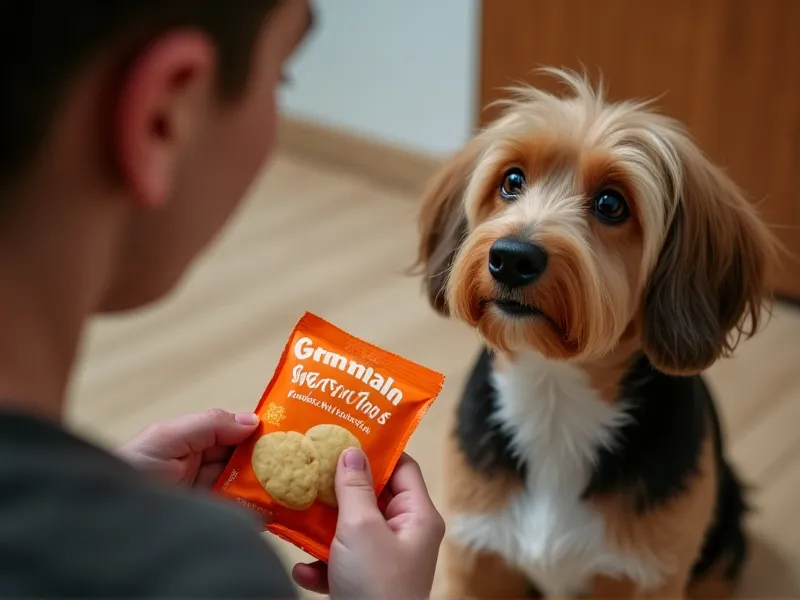
Table of Contents
- Can Dogs Eat Sweet Tarts? The Short Answer
- Potential “Benefits” of Sweet Tarts for Dogs: Separating Fact from Fiction
- The Risks of Feeding Sweet Tarts to Dogs: Why They’re Best Avoided
- Safe Feeding Guidelines: What to Do If Your Dog Eats a Sweet Tart
- Healthier Alternatives to Sweet Tarts for Dogs
- FAQ: Your Sweet Tart Questions, Answered
- Conclusion: Prioritizing Your Dog’s Health Over Cravings
Can Dogs Eat Sweet Tarts? The Short Answer
No, dogs should not eat Sweet Tarts. While a single accidental bite is unlikely to cause severe harm, these colorful candies are packed with sugar, artificial ingredients, and other additives that offer no nutritional value to dogs—and pose several health risks. Think of Sweet Tarts as “empty calories” for your pup: they might taste good, but they don’t support their well-being.
To understand why, let’s break down what’s actually in a Sweet Tart. The main ingredients include sugar, corn syrup, dextrose, citric acid, artificial flavors, and food dyes (like Red 40 or Yellow 5). None of these are beneficial for dogs, and some can even be harmful in large amounts.
Potential “Benefits” of Sweet Tarts for Dogs: Separating Fact from Fiction
You might be thinking, “But Sweet Tarts are fruit-flavored—don’t they have vitamins or nutrients?” Unfortunately, the “fruit flavor” in Sweet Tarts is artificial. There’s no real fruit, fiber, or natural vitamins in these candies. Let’s address the nutrients mentioned earlier (fiber, potassium) to set the record straight:
Fiber:
Sweet Tarts contain no dietary fiber. Fiber is essential for dogs’ digestive health, helping regulate bowel movements and keep their gut microbiome happy. But you won’t find any fiber in a box of Sweet Tarts—only sugar and additives.
Potassium:
Potassium is an important mineral for dogs, supporting heart health, muscle function, and electrolyte balance. However, Sweet Tarts have negligible amounts of potassium (if any). For context, a medium banana contains about 422mg of potassium—and it comes with fiber and natural sugars. A single Sweet Tart? Maybe a trace amount, but not nearly enough to count as a “benefit.”
In short: There are no meaningful nutritional benefits to feeding your dog Sweet Tarts. Any “upsides” are purely fictional.
The Risks of Feeding Sweet Tarts to Dogs: Why They’re Best Avoided
Now, let’s focus on the real concerns. Sweet Tarts may seem harmless, but their ingredients can lead to both short-term and long-term health issues for dogs. Here’s what you need to watch out for:
1. Sugar Overload: Obesity, Diabetes, and Dental Disease
Dogs’ bodies aren’t designed to process large amounts of sugar. Unlike humans, dogs don’t have a sweet tooth as a survival mechanism (they evolved to crave protein and fat, not sugar). When dogs consume too much sugar, several problems can arise:
- Obesity: Excess sugar is stored as fat, leading to weight gain. Obesity in dogs increases the risk of joint pain, heart disease, and a shorter lifespan.
- Diabetes: Chronic sugar intake can impair insulin production, leading to canine diabetes. Symptoms include increased thirst, frequent urination, and lethargy—and diabetes requires lifelong management with insulin shots and dietary changes.
- Dental Issues: Sugar feeds harmful bacteria in your dog’s mouth, which produce acids that erode tooth enamel. This can lead to cavities, gum disease (periodontitis), and even tooth loss.
A single Sweet Tart contains about 2-3 grams of sugar. That might not sound like much, but if your dog eats multiple (or you make a habit of sharing), the sugar adds up quickly. For reference, the American Kennel Club (AKC) recommends that treats make up no more than 10% of a dog’s daily calories—and sugar should be kept to a minimum.
2. Stomach Upset and Digestive Issues
Sugar isn’t just bad for long-term health; it can also cause immediate digestive distress. Dogs lack the enzymes needed to break down large amounts of sugar efficiently, which can lead to:
- Diarrhea
- Vomiting
- Gas
- Stomach cramps
Artificial flavors and citric acid (used to give Sweet Tarts their tangy taste) can worsen these symptoms, especially in dogs with sensitive stomachs. Puppies, senior dogs, and dogs with pre-existing digestive conditions (like inflammatory bowel disease) are at higher risk.
3. Choking Hazard
Sweet Tarts come in small, hard pieces (or chewy ropes, depending on the variety). For small dogs or dogs who gulp their food, these candies pose a choking risk. A Sweet Tart could get stuck in your dog’s throat, blocking their airway—a life-threatening emergency. Even larger dogs might struggle if they try to swallow a Sweet Tart whole.
4. Artificial Colors and Additives: Unknown Long-Term Risks
Sweet Tarts are bright and colorful, thanks to artificial dyes like Red 40, Yellow 5, and Blue 1. While the FDA deems these dyes “safe” for humans in small amounts, their impact on dogs is less studied. Some research suggests artificial colors may contribute to hyperactivity in children, and there’s concern they could have similar effects on dogs (though more research is needed).
Additionally, some dogs may be allergic to artificial flavors or dyes, leading to skin rashes, itching, or ear infections.
5. Xylitol Risk (In “Sugar-Free” Varieties)
This is a critical point: If you buy “sugar-free” Sweet Tarts, they may contain xylitol—a sugar substitute that is extremely toxic to dogs. Xylitol causes a rapid release of insulin in dogs, leading to life-threatening hypoglycemia (low blood sugar). Symptoms include vomiting, loss of coordination, seizures, and even liver failure.
Always check the label! If a candy (including “sugar-free” versions) lists xylitol as an ingredient, keep it far away from your dog. Even a small amount can be fatal.
Safe Feeding Guidelines: What to Do If Your Dog Eats a Sweet Tart
Accidents happen. If your dog snatches a Sweet Tart off the floor or you gave them a tiny piece before reading this, here’s what to do:
If They Ate One or Two Sweet Tarts:
- Stay calm. A single Sweet Tart is unlikely to cause severe harm, especially for medium to large dogs.
- Monitor for symptoms. Watch for vomiting, diarrhea, restlessness, or excessive thirst over the next 24 hours. Most dogs will pass the sugar without issue, but keep an eye on them.
- Offer water. Encourage your dog to drink water to help flush out the sugar and prevent dehydration.
If They Ate a Large Amount (e.g., Half a Box or More):
- Contact your vet immediately. Large doses of sugar can lead to pancreatitis (inflammation of the pancreas), a painful and potentially life-threatening condition. Symptoms of pancreatitis include vomiting, diarrhea, abdominal pain, and lethargy.
- Do not induce vomiting unless directed by a vet. Some substances (like citric acid) can damage the esophagus if vomited up.
If the Sweet Tarts Were Sugar-Free (and Contain Xylitol):
- Call your vet or the Pet Poison Helpline (855-764-7661) right away. Xylitol toxicity is an emergency. The sooner your dog receives treatment (like IV fluids or dextrose to raise blood sugar), the better their chances of recovery.
Healthier Alternatives to Sweet Tarts for Dogs
Instead of sharing Sweet Tarts, opt for treats that are actually good for your dog. These alternatives offer fiber, potassium, and other nutrients—plus, they’re tasty enough to satisfy your pup’s cravings:
1. Fresh Fruits (Low-Sugar Options):
- Blueberries: Packed with antioxidants, fiber, and vitamin C. They’re low in calories and perfect for training treats.
- Apples (without seeds): Crunchy and full of fiber (which aids digestion) and vitamin A. Remove the seeds (they contain small amounts of cyanide, toxic in large doses).
- Bananas: A great source of potassium, vitamin B6, and fiber. Offer in moderation (they’re high in natural sugar).
- Strawberries: Sweet and juicy, with vitamin C and fiber. Slice them up for a refreshing snack.
2. Vegetables:
- Carrots: Crunchy, low-calorie, and full of beta-carotene (which converts to vitamin A). They’re also great for dental health—chewing carrots helps scrape plaque off teeth.
- Cucumber: Hydrating and low in sugar, with vitamins K and C. Perfect for hot days!
3. Commercial Dog Treats:
Look for high-quality dog treats with simple, natural ingredients (e.g., “chicken and sweet potato” or “salmon and brown rice”). Avoid treats with added sugars, artificial colors, or preservatives. Brands like Blue Buffalo, Zuke’s, and Wellness offer great options.
FAQ: Your Sweet Tart Questions, Answered
Q: My dog ate a Sweet Tart—should I panic?
A: Probably not, if it was just one. Monitor them for 24 hours for vomiting, diarrhea, or lethargy. If they ate multiple, or if the Sweet Tarts were sugar-free (with xylitol), contact your vet immediately.
Q: Are there any candies that are safe for dogs?
A: In general, no. Most candies are high in sugar, chocolate (toxic to dogs), or xylitol. Stick to dog-safe fruits/veggies or commercial dog treats instead.
Q: Can puppies eat Sweet Tarts?
A: Puppies have smaller bodies and more sensitive digestive systems, so even a single Sweet Tart could cause stomach upset. It’s best to avoid all sugary candies for puppies.
Q: What if my dog begs for Sweet Tarts—how do I say no?
A: Offer a dog-safe alternative instead! Keep a bag of blueberries or carrot sticks handy for when they beg. Consistency is key—if you give in sometimes, they’ll learn to beg more.
Q: Are “natural” or “organic” Sweet Tarts safer?
A: No. Even “natural” versions often contain sugar, artificial flavors, or other additives that aren’t good for dogs. The label “organic” doesn’t make them safe for pets.
Conclusion: Prioritizing Your Dog’s Health Over Cravings
At the end of the day, sharing a Sweet Tart with your dog might seem like a small act of love—but it’s not worth the risk. These candies offer no nutritional value and can lead to obesity, diabetes, digestive issues, and more. Instead, reach for a dog-safe snack like blueberries, carrots, or a high-quality dog treat. Your pup will love the attention, and you’ll have peace of mind knowing you’re supporting their health.
If you ever have questions about what’s safe to feed your dog, don’t hesitate to consult your veterinarian. They know your dog’s unique needs (age, weight, health conditions) and can offer personalized advice.
Here’s to many happy, healthy snack times with your furry best friend—minus the Sweet Tarts!
References
- American Society for the Prevention of Cruelty to Animals (ASPCA). “People Foods to Avoid Feeding Your Pets.” aspca.org/pet-care/animal-poison-control/people-foods-avoid-feeding-your-pets
- Pet Poison Helpline. “Xylitol Toxicity in Dogs.” petpoisonhelpline.com/poison/xylitol/
- American Kennel Club (AKC). “Can Dogs Eat Sugar?” akc.org/expert-advice/nutrition/can-dogs-eat-sugar/
- VCA Animal Hospitals. “Pancreatitis in Dogs.” vcahospitals.com/know-your-pet/pancreatitis-in-dogs