· 9 min read
Can Dogs Eat Sweet Potato Pie? A Pet Parent’s Guide to Sharing Holiday Treats
Picture this: It’s Thanksgiving, and the kitchen smells like cinnamon and warm spices. You pull a golden-brown sweet potato pie out of the oven, its crust flaky and filling creamy. As you slice into it, you feel a wet nose nudge your hand—your dog, tail wagging, has been eyeing that pie since it first hit the counter. “Just a tiny bite?” you wonder. “Surely sweet potatoes are good for dogs… right?”
If you’ve ever found yourself in this scenario, you’re not alone. Sweet potato pie is a beloved holiday staple, and our dogs are natural beggars for a taste of the action. But before you cave to those puppy eyes, let’s dive into the real question: Can dogs eat sweet potato pie? Spoiler: The answer isn’t a simple “yes” or “no.” Let’s break it down.
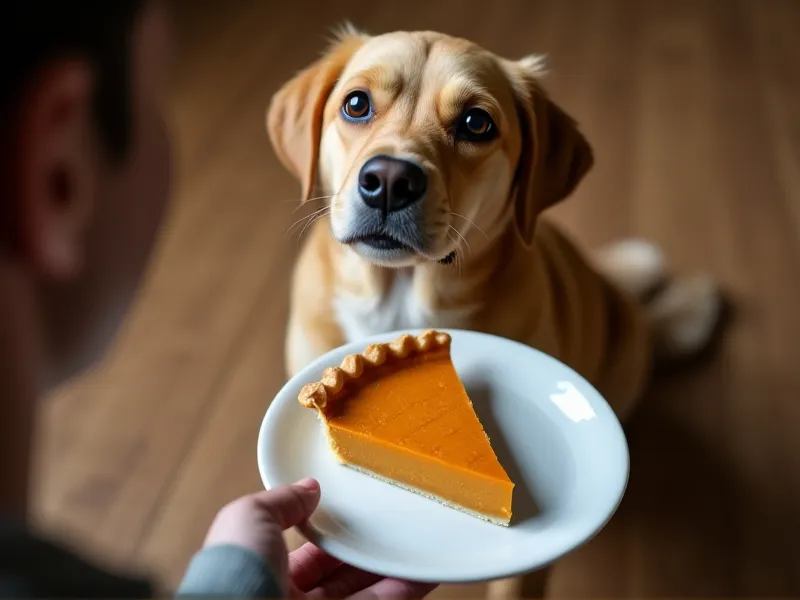
Table of Contents
- Can Dogs Eat Sweet Potato Pie? The Short Answer
- The Good Stuff: Why Sweet Potatoes Are Great for Dogs
- The Not-So-Good Stuff: Risks of Sweet Potato Pie for Dogs
- How Much Sweet Potato Pie Can Dogs Safely Eat? Guidelines
- Healthier Alternatives to Sweet Potato Pie for Dogs
- FAQ: Your Sweet Potato Pie and Dog Questions Answered
- Conclusion: Sharing Safely This Holiday Season
Can Dogs Eat Sweet Potato Pie? The Short Answer
Yes, but only in very small amounts, and with extreme caution.
Here’s why: Sweet potatoes themselves are excellent for dogs. They’re packed with fiber, vitamins, and minerals that support their health. But sweet potato pie? That’s a different story. Most pies are loaded with added sugars, spices, fatty ingredients (like butter or oil), and a flaky crust—all of which can be harmful to dogs, especially in large quantities.
Think of it this way: Plain, cooked sweet potato is a nutrient-dense superfood for your pup. Sweet potato pie is like a sweet potato covered in a “danger blanket” of sugar, fat, and spices. So while a tiny taste might be okay for some dogs, it’s rarely worth the risk.
The Good Stuff: Why Sweet Potatoes Are Great for Dogs
Before we bash the pie, let’s celebrate the star ingredient: sweet potatoes! These orange tubers are a favorite among vets and pet nutritionists for a reason. Here’s why they’re a healthy addition to your dog’s diet (in plain, unadulterated form):
1. Fiber for Digestion
Sweet potatoes are rich in dietary fiber, which helps regulate your dog’s digestive system. Fiber keeps things moving smoothly, preventing constipation and supporting a healthy gut microbiome. It’s especially helpful for dogs with sensitive stomachs or irregular bowel movements.
2. Beta-Carotene (Vitamin A) for Eye and Skin Health
Sweet potatoes are loaded with beta-carotene, an antioxidant that your dog’s body converts into vitamin A. Vitamin A is crucial for:
- Healthy vision (prevents night blindness and supports eye function).
- Shiny, itch-free skin and a lustrous coat.
- A strong immune system to fight off infections.
3. Potassium for Heart and Muscle Function
Potassium is an electrolyte that helps regulate your dog’s heart rate, muscle contractions, and fluid balance. It’s essential for overall cardiovascular health and energy levels—perfect for active pups!
4. Low in Fat and Calories (When Plain)
Unlike fatty meats or processed treats, plain sweet potatoes are low in fat and calories, making them a great option for dogs watching their weight. Just avoid adding butter, sugar, or salt!
The Not-So-Good Stuff: Risks of Sweet Potato Pie for Dogs
Now, let’s talk about why sweet potato pie is a far cry from plain sweet potato. Most store-bought or homemade pies include ingredients that can harm your dog, even in small doses. Here are the biggest risks:
Added Sugars: A Hidden Danger
Sugar is the #1 offender in sweet potato pie. Most recipes call for cups of brown sugar, maple syrup, or honey to make the filling sweet. For dogs, sugar is a disaster:
- Obesity: Extra sugar turns into fat, leading to weight gain and obesity. Obesity increases the risk of diabetes, joint pain, and heart disease in dogs.
- Dental Issues: Sugar feeds harmful bacteria in your dog’s mouth, leading to plaque, tartar, and cavities. Over time, this can cause gum disease and tooth loss.
- Diabetes: While dogs don’t get type 2 diabetes as often as humans, a high-sugar diet can still contribute to insulin resistance, especially in overweight or genetically predisposed breeds (like Pugs or Beagles).
- Energy Spikes and Crashes: Sugar can cause hyperactivity followed by lethargy, leaving your dog irritable or sluggish.
Spices: Nutmeg and Cinnamon Concerns
Spices make sweet potato pie taste like fall, but some are toxic to dogs. The biggest culprit? Nutmeg.
-
Nutmeg: Even small amounts of nutmeg can be dangerous for dogs. It contains myristicin, a compound that can cause hallucinations, seizures, tremors, vomiting, and increased heart rate. In severe cases, nutmeg toxicity can be life-threatening. Always check the pie ingredients—many recipes (especially traditional ones) include nutmeg!
-
Cinnamon: Cinnamon is generally safe for dogs in tiny amounts (like a sprinkle), but large doses can irritate their mouths, noses, or stomachs. Some dogs may also be allergic. Most pies have more than a “tiny sprinkle,” so proceed with caution.
Fatty Additions: Butter, Oil, and Crust
Butter, oil, and heavy cream are often used to make the pie filling rich and creamy. The crust is also loaded with butter or shortening. All that fat spells trouble for dogs:
-
Pancreatitis: The pancreas produces enzymes to digest fat. A sudden influx of fatty foods can trigger pancreatitis, a painful and potentially fatal condition where the pancreas becomes inflamed. Symptoms include vomiting, diarrhea, lethargy, and loss of appetite. Small dogs and breeds prone to pancreatitis (like Miniature Schnauzers) are especially at risk.
-
Upset Stomach: Fatty foods can cause diarrhea, vomiting, or gas in dogs, even if they don’t develop pancreatitis. No one wants to clean up that mess!
Choking Hazards: Crust and Texture
The flaky, crumbly crust of a sweet potato pie is a choking hazard, especially for small dogs or dogs who gulp their food. Hard crust pieces can get stuck in their throat or cause blockages in their digestive tract. Even the filling, if thick or clumpy, can pose a risk for dogs who eat too quickly.
How Much Sweet Potato Pie Can Dogs Safely Eat? Guidelines
If you must share a tiny taste of sweet potato pie with your dog (we get it—those puppy eyes are hard to resist!), follow these strict guidelines:
1. Check the Ingredients First
- No nutmeg! If the pie contains nutmeg, skip it entirely. Nutmeg is toxic to dogs.
- Avoid pies with raisins, grapes, or xylitol (a sugar substitute)—all are highly toxic to dogs.
- Look for minimal added sugar and fat. Homemade pies with less sugar are slightly better than store-bought, but still not ideal.
2. Stick to a “Tiny Taste”
- Small dogs (under 20 lbs): 1–2 teaspoons of filling (no crust!).
- Medium dogs (20–50 lbs): 1 tablespoon of filling (no crust!).
- Large dogs (over 50 lbs): 2 tablespoons of filling (no crust!).
Note: This is a one-time treat, not a regular snack. Treats should make up no more than 10% of your dog’s daily calories, and sweet potato pie is high in empty calories.
3. Monitor for Reactions
After your dog eats the pie, watch for signs of trouble:
- Vomiting or diarrhea.
- Lethargy or weakness.
- Tremors, seizures, or excessive drooling (signs of nutmeg toxicity).
- Abdominal pain (hunched back, whining when touched).
If you notice any of these, contact your vet immediately.
Healthier Alternatives to Sweet Potato Pie for Dogs
Instead of risking the pie, treat your dog to plain, cooked sweet potato—they’ll love it just as much (if not more!), and it’s way better for them. Here are some easy, dog-safe recipes:
1. Baked Sweet Potato Slices
- Ingredients: 1 medium sweet potato, water.
- Instructions: Wash the sweet potato, pierce it with a fork, and bake at 400°F (200°C) for 45–60 minutes, or until soft. Slice into bite-sized pieces and let cool. Store in the fridge for up to 3 days.
2. Mashed Sweet Potato (Plain!)
- Ingredients: 1 sweet potato, water.
- Instructions: Peel and cube the sweet potato, then boil or steam until soft. Mash with a fork—no butter, milk, or sugar! Serve warm or cold.
3. Frozen Sweet Potato “Pupsicles”
- Ingredients: Mashed sweet potato, water (or unsweetened coconut water).
- Instructions: Mix mashed sweet potato with a splash of water to thin. Pour into ice cube trays and freeze. Pop out a cube for a cool, refreshing treat on hot days.
4. Sweet Potato and Banana Bites
- Ingredients: 1 mashed sweet potato, 1 mashed banana, ¼ cup oats (optional).
- Instructions: Mix all ingredients, roll into small balls, and bake at 350°F (175°C) for 15–20 minutes. Let cool before serving.
FAQ: Your Sweet Potato Pie and Dog Questions Answered
Q: Can puppies eat sweet potato pie?
A: It’s best to avoid it. Puppies have sensitive digestive systems, and the sugar, fat, and spices in pie can cause stomach upset or more serious issues. Stick to plain sweet potato as a treat once they’re old enough for solid foods (ask your vet for guidance).
Q: My dog stole a slice of sweet potato pie! What should I do?
A: Stay calm. If the pie contained nutmeg, raisins, or xylitol, call your vet or animal poison control (ASPCA Poison Control: 888-426-4435) immediately. If not, monitor your dog for 24 hours for vomiting, diarrhea, or lethargy. If symptoms appear, contact your vet.
Q: Is canned sweet potato pie filling safe for dogs?
A: No. Canned filling is loaded with added sugars, preservatives, and sometimes spices like nutmeg. It’s even worse than homemade pie!
Q: Can dogs eat the crust of sweet potato pie?
A: No. The crust is high in fat, calories, and can be a choking hazard. Skip the crust entirely.
Q: Is sweet potato pie better than pumpkin pie for dogs?
A: Both are risky. Pumpkin pie also contains sugar, spices, and fat. Plain pumpkin (not pie filling!) is safe and healthy for dogs, just like plain sweet potato.
Conclusion: Sharing Safely This Holiday Season
Sweet potato pie is a delicious human treat, but it’s not ideal for our furry friends. While sweet potatoes themselves are a nutritional powerhouse, the added sugars, fats, and spices in pie make it a risky choice.
Instead of sharing the pie, bond with your dog over a safe, healthy alternative—like baked sweet potato slices or mashed sweet potato. Your pup will love the attention, and you’ll have peace of mind knowing you’re keeping them healthy.
As always, when in doubt, consult your vet. They know your dog’s individual health needs and can give personalized advice. This holiday season, let’s keep our dogs happy, healthy, and full of safe treats.
Happy holidays, and here’s to many more tail wags (and sweet potato snacks!) to come!
References:
- American Kennel Club (AKC). “Can Dogs Eat Sweet Potatoes?” akc.org
- ASPCA Animal Poison Control. “Toxic and Non-Toxic Plants: Nutmeg.” aspca.org
- VCA Hospitals. “Pancreatitis in Dogs.” vcahospitals.com
- PetMD. “Can Dogs Eat Cinnamon?” petmd.com