· 7 min read
Can Dogs Eat Sweet Bell Peppers? A Pet Parent’s Guide to Crunchy, Colorful Snacks
It’s a sunny afternoon, and you’re prepping a salad—chopping up vibrant red, yellow, and green bell peppers. Suddenly, a wet nose nudges your hand, and those big, hopeful puppy eyes lock onto your snack. “Can I have a bite?” your dog seems to ask. You pause. You know chocolate and onions are off-limits, but what about these crisp, sweet veggies? Are bell peppers safe for dogs?
If you’ve ever wondered whether to share your bell pepper with your furry friend, you’re in the right place. In this guide, we’ll break down the safety, benefits, risks, and best practices for feeding sweet bell peppers to dogs. Spoiler: These colorful veggies can be a healthy treat—with a few important caveats. Let’s dig in!
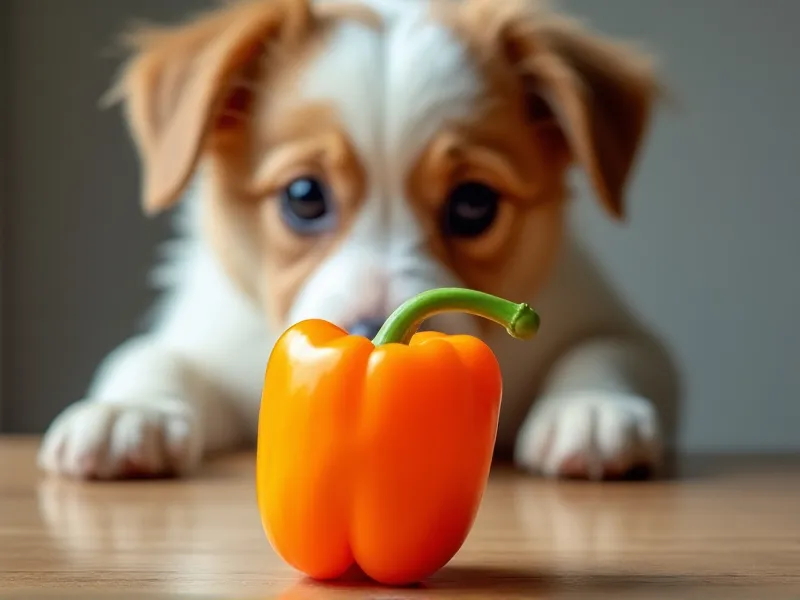
Table of Contents
- Can Dogs Eat Sweet Bell Peppers? The Short Answer
- Nutritional Benefits of Sweet Bell Peppers for Dogs
- Potential Risks to Watch For
- How Much Sweet Bell Pepper Can Dogs Safely Eat?
- Healthier Alternatives (or Complementary Snacks)
- FAQ: Common Questions About Dogs and Bell Peppers
- Conclusion: Moderation is Key
- References
Can Dogs Eat Sweet Bell Peppers? The Short Answer
Yes, dogs can safely eat sweet bell peppers—but only in moderation. These crunchy, low-calorie veggies are packed with vitamins, fiber, and antioxidants, making them a nutritious occasional snack. However, they’re not a substitute for a balanced dog food diet, and overfeeding can lead to stomach upset or other issues.
Whether red, green, yellow, or orange, all sweet bell peppers are non-toxic to dogs. (Spicy peppers like jalapeños or chili peppers are a different story—they contain capsaicin, which can irritate a dog’s digestive system and cause pain, so never feed those!)
Nutritional Benefits of Sweet Bell Peppers for Dogs
Sweet bell peppers aren’t just tasty—they’re a nutritional powerhouse. Let’s break down why they might make a great addition to your dog’s treat rotation:
1. Vitamins Galore
Bell peppers are loaded with essential vitamins that support your dog’s overall health:
- Vitamin A: Critical for eye health, immune function, and healthy skin/coat. It helps maintain mucous membranes (like those in the nose and lungs) and supports cell growth.
- Vitamin C: A powerful antioxidant that boosts the immune system, fights inflammation, and aids in collagen production (important for joints and skin). While dogs can produce their own vitamin C, extra from food can help during times of stress or illness.
- Vitamin E: Another antioxidant that protects cells from damage and supports healthy skin and coat.
- Vitamin K: Essential for blood clotting and bone health.
- B Vitamins (B6, Folate): Support energy metabolism and brain function.
2. Fiber for Digestive Health
Bell peppers are a good source of dietary fiber, which helps regulate your dog’s digestion. Fiber keeps stool regular, prevents constipation, and supports a healthy gut microbiome. It can also help dogs feel full, making bell peppers a great low-calorie treat for pups watching their weight.
3. Potassium for Heart and Muscle Health
Potassium is an electrolyte that helps regulate heart rate, muscle function, and fluid balance. A small amount of potassium from bell peppers can support your dog’s cardiovascular health, especially as they age.
4. Antioxidants to Fight Free Radicals
The vibrant colors of bell peppers come from antioxidants like carotenoids (lycopene in red peppers, lutein in yellow/orange) and flavonoids. These compounds neutralize harmful free radicals, reducing inflammation and lowering the risk of chronic diseases.
Potential Risks to Watch For
While bell peppers are generally safe, there are a few risks to keep in mind:
1. Natural Sugar (in Excess)
Sweet bell peppers contain natural sugars (about 4-5 grams per cup). For most dogs, this is negligible in small portions, but overfeeding can lead to weight gain or blood sugar spikes. This is especially concerning for dogs with diabetes—always check with your vet before offering bell peppers to a diabetic pup.
2. Stomach Upset from Too Much Fiber
While fiber is good for digestion, too much can backfire. Feeding large amounts of bell peppers may cause gas, bloating, diarrhea, or constipation, especially in dogs with sensitive stomachs. Start with tiny portions to see how your dog reacts.
3. Choking Hazard
Bell peppers are crunchy and can be tough for small dogs or puppies to chew. Large chunks may get stuck in their throat, leading to choking. Always chop bell peppers into bite-sized pieces (about the size of a dime for toy breeds, slightly larger for medium/large dogs) and remove stems, which are tough and indigestible.
4. Seeds (Mild Irritation)
Bell pepper seeds are not toxic, but they can be slightly bitter and may irritate some dogs’ stomachs. To be safe, rinse and deseed the peppers before feeding—this also makes them easier to chop!
How Much Sweet Bell Pepper Can Dogs Safely Eat?
Portion control is key. Bell peppers should be an occasional treat, not a regular part of your dog’s diet. As a general rule, treats (including veggies) should make up no more than 10% of your dog’s daily calories.
Here’s a rough guideline based on your dog’s size:
| Dog Size | Safe Portion (Per Serving) | Frequency |
|---|---|---|
| Small (5-15 lbs) | 1-2 thin slices (about 1 tbsp) | 1-2 times per week |
| Medium (15-50 lbs) | ¼ cup chopped pieces | 1-2 times per week |
| Large (50+ lbs) | ½ cup chopped pieces | 1-2 times per week |
Pro Tip: Introduce bell peppers slowly. Start with a tiny piece and monitor your dog for 24 hours. If they show signs of stomach upset (vomiting, diarrhea, gas), skip future servings.
Healthier Alternatives (or Complementary Snacks)
If your dog isn’t a fan of bell peppers, or you want to mix up their treats, here are other safe, nutrient-dense veggies to try:
- Carrots: Crunchy, low-calorie, and great for dental health (chewing carrots helps scrape plaque!). Rich in vitamin A and fiber.
- Green Beans: High in fiber and vitamins C and K, with almost no calories. Serve raw or steamed (no salt/butter).
- Cucumber: Hydrating, low-sugar, and perfect for hot days. Contains vitamins K and C and silica (supports joint health).
- Zucchini: Mild-tasting and packed with vitamins A, C, and potassium. Shred or chop into small pieces.
- Broccoli: A nutrient bomb (vitamins A, C, K, fiber) but feed in very small amounts (too much can cause gas). Steam lightly to make it easier to digest.
Rotate these veggies to keep treats interesting and ensure your dog gets a variety of nutrients!
FAQ: Common Questions About Dogs and Bell Peppers
Q: Are all colors of bell peppers safe for dogs?
A: Yes! Red, green, yellow, and orange bell peppers are all safe. Red peppers are the ripest and contain the most nutrients (e.g., higher vitamin C and antioxidants), while green peppers are unripe and slightly less sweet.
Q: Can dogs eat bell pepper stems or leaves?
A: No. Stems are tough, fibrous, and can cause choking or intestinal blockages. Leaves are also indigestible—always remove stems and leaves before feeding.
Q: Is it better to feed raw or cooked bell peppers?
A: Raw is best for nutrition, as cooking can reduce some vitamins (like vitamin C). However, if your dog has trouble chewing raw veggies, you can steam or roast bell peppers (no oil, salt, or seasonings!) to soften them.
Q: My dog ate a whole bell pepper—should I worry?
A: Probably not, but monitor them for 24 hours. They may experience gas, diarrhea, or bloating from the extra fiber. If they seem lethargic, vomit repeatedly, or have severe diarrhea, contact your vet.
Q: Can puppies eat bell peppers?
A: Yes, but in very small portions. Puppies have sensitive stomachs, so start with a tiny piece (e.g., ¼ of a slice for a Chihuahua puppy) and watch for digestive upset.
Q: Are bell peppers safe for dogs with allergies?
A: Bell peppers are not a common allergen, but every dog is different. If your dog has food allergies, introduce bell peppers slowly and check for itching, redness, or swelling.
Conclusion: Moderation is Key
Sweet bell peppers are a safe, healthy treat for most dogs—crunchy, colorful, and packed with vitamins and fiber. They’re a great alternative to high-calorie, processed treats, but remember: moderation is everything.
Stick to small portions, chop them into safe sizes, and avoid seasoning. If your dog has health issues (like diabetes or a sensitive stomach), always check with your vet first. With a little common sense, you and your pup can enjoy sharing this vibrant snack—one crunchy bite at a time!
References
- American Society for the Prevention of Cruelty to Animals (ASPCA). Toxic and Non-Toxic Plants: Bell Pepper. https://www.aspca.org/pet-care/animal-poison-control/toxic-and-non-toxic-plants/bell-pepper
- American Kennel Club (AKC). Can Dogs Eat Bell Peppers?. https://www.akc.org/expert-advice/nutrition/can-dogs-eat-bell-peppers/
- VCA Hospitals. Nutrition for Dogs. https://vcahospitals.com/know-your-pet/nutrition-for-dogs
- PetMD. Human Foods Dogs Can and Can’t Eat. https://www.petmd.com/dog/nutrition/what-human-foods-can-dogs-eat