· 8 min read
Can Dogs Eat Sunflower Seed Butter? A Pet Parent’s Guide to Safe Snacking
Picture this: You’re mid-sip of your morning coffee, spreading a thick layer of sunflower seed butter on whole-grain toast. Beside you, your dog sits, tail thumping, nose twitching, and those big, imploring eyes locked on your hand. “Just a tiny taste?” you think. After all, sunflower seed butter is marketed as a “healthier” alternative to peanut butter for humans—packed with nutrients, low in saturated fat, and often free of common allergens. But is it safe for your furry sidekick?
If you’ve ever wondered whether sunflower seed butter belongs in your dog’s treat rotation, you’re not alone. As pet parents, we want to share the best (and yummiest!) parts of our lives with our pups, but safety always comes first. In this guide, we’ll break down everything you need to know: whether dogs can eat sunflower seed butter, its potential benefits, hidden risks, how much to feed, and healthier alternatives to keep your dog happy and healthy.
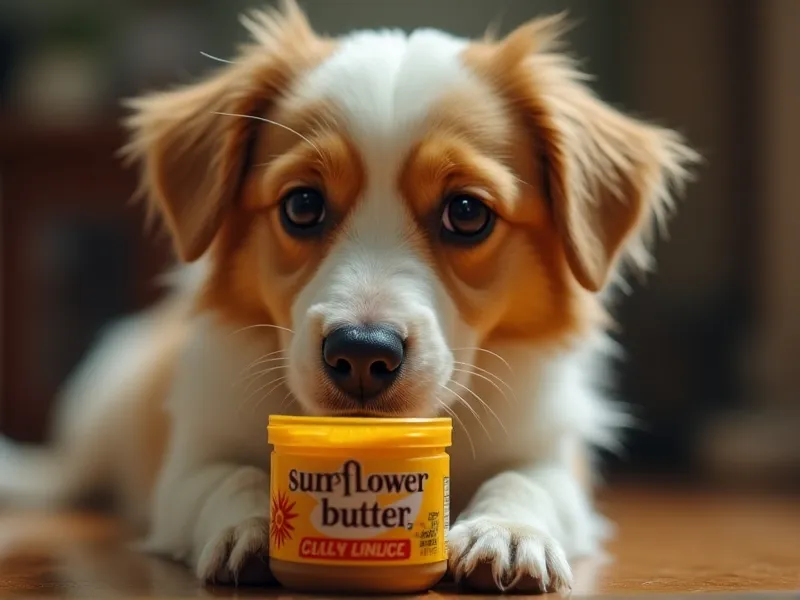
Table of Contents
- Is Sunflower Seed Butter Safe for Dogs? The Short Answer
- Nutritional Benefits of Sunflower Seed Butter for Dogs
- Potential Risks: What to Watch Out For
- How Much Sunflower Seed Butter Can Dogs Eat? Guidelines by Size
- Healthier Alternatives & Serving Tips
- FAQ: Your Sunflower Seed Butter Questions Answered
- Conclusion: Moderation is Key
Is Sunflower Seed Butter Safe for Dogs? The Short Answer
Yes, dogs can eat sunflower seed butter in moderation—but with important caveats. Plain, unsalted, unsweetened sunflower seed butter (without added ingredients like xylitol, chocolate, or artificial flavors) is generally safe for most dogs. It’s lower in fat than peanut butter and packed with nutrients that can benefit your pup’s health. However, not all sunflower seed butter is created equal, and overfeeding can lead to digestive upset or other issues. Let’s dig into the details.
Nutritional Benefits of Sunflower Seed Butter for Dogs
Sunflower seed butter isn’t just a tasty spread—it’s a nutrient-dense food that, when fed responsibly, can offer several health perks for your dog. Here’s what makes it a standout:
1. Rich in Vitamin E: A Skin & Coat Superstar
Sunflower seeds are one of the best plant-based sources of vitamin E, an antioxidant that protects cells from damage and supports healthy skin and coat. For dogs with dry, itchy skin or dull fur, a tiny boost of vitamin E (from sunflower seed butter) can help reduce inflammation and promote a shiny, soft coat.
2. Heart-Healthy Fats
Sunflower seed butter is high in polyunsaturated fats, including omega-6 fatty acids. While dogs need a balance of omega-3 and omega-6 fats, moderate amounts of omega-6s support heart health, reduce inflammation, and aid in brain function. Unlike saturated fats (found in fatty meats or butter), these “good fats” are less likely to contribute to obesity when fed in small portions.
3. Fiber for Digestive Health
A 2-tablespoon serving of sunflower seed butter contains about 3 grams of fiber, which helps regulate digestion by keeping things moving smoothly through your dog’s gut. Fiber can also help dogs feel full, which is useful for weight management (just don’t overdo it—more on that later!).
4. Potassium & Magnesium: Electrolyte Support
Potassium is essential for muscle and nerve function, while magnesium supports bone health and energy production. Sunflower seed butter provides both minerals, making it a natural way to boost your dog’s electrolyte balance (especially helpful for active pups!).
Potential Risks: What to Watch Out For
While sunflower seed butter has benefits, it’s not without risks—especially if you choose the wrong type or overfeed. Here’s what to avoid:
1. Added Sugars & Sweeteners
Many commercial sunflower seed butters (especially flavored varieties like “honey-roasted” or “vanilla”) contain added sugars, honey, or syrups. Dogs don’t need sugar in their diet, and excess sugar can lead to obesity, dental decay, or even diabetes over time. Always check the label for ingredients like “cane sugar,” “high-fructose corn syrup,” or “agave”—these are red flags.
2. Salt & Sodium
Some brands add salt to enhance flavor, but dogs are much more sensitive to sodium than humans. Too much salt can cause dehydration, increased thirst/urination, or even sodium ion poisoning (symptoms include vomiting, diarrhea, tremors, or seizures). Opt for unsalted, no-salt-added sunflower seed butter to avoid this risk.
3. Choking Hazards (Chunky Varieties)
Chunky sunflower seed butter (with whole or chopped seeds) can pose a choking risk, especially for small dogs or pups who gulp their food. The hard, crunchy seeds might get stuck in their throat or cause blockages in the digestive tract. Stick to smooth, creamy sunflower seed butter to eliminate this danger.
4. Stomach Upset from Overfeeding
While fiber is good for digestion, too much can backfire. Feeding large amounts of sunflower seed butter can lead to gas, bloating, diarrhea, or constipation. The high fat content can also trigger pancreatitis in sensitive dogs (though sunflower butter is lower in fat than peanut butter, it’s still a risk if overfed).
5. Xylitol: A Hidden Toxin (Rare, But Possible)
Xylitol is a sugar substitute toxic to dogs, even in small amounts. It causes a rapid drop in blood sugar, leading to seizures, liver failure, or death. While xylitol is more common in peanut butter or sugar-free products, always check the label to ensure your sunflower seed butter is xylitol-free.
How Much Sunflower Seed Butter Can Dogs Eat? Guidelines by Size
The key to safely feeding sunflower seed butter is moderation. Treats should make up no more than 10% of your dog’s daily calories, and sunflower seed butter is calorie-dense (about 180 calories per 2 tablespoons). Here’s a general guide based on your dog’s weight:
| Dog Size | Max Amount Per Day | Example |
|---|---|---|
| Small (under 20 lbs) | ¼–½ teaspoon | A Chihuahua or Yorkie could have a tiny lick off a spoon. |
| Medium (20–50 lbs) | ½–1 teaspoon | A Beagle or Cocker Spaniel might enjoy ½ teaspoon mixed into their kibble. |
| Large (50–100 lbs) | 1–2 teaspoons | A Labrador or German Shepherd could have 1 teaspoon as an occasional treat. |
| Extra-Large (over 100 lbs) | 2–3 teaspoons | A Great Dane might handle 2 teaspoons, but stick to 1–2 to avoid upset. |
Pro Tip: Start with half the recommended amount to test your dog’s tolerance. If they develop diarrhea, gas, or vomiting, stop feeding it and consult your vet.
Healthier Alternatives & Serving Tips
If sunflower seed butter isn’t right for your dog (or you want to mix things up), here are safer, more nutrient-dense alternatives:
Best Alternatives to Sunflower Seed Butter
- Unsalted, Unsweetened Peanut Butter: A classic, but always check for xylitol (many brands add it!). Look for “natural” peanut butter with only peanuts (no salt, sugar, or oil added).
- Pumpkin Puree: Low in calories, high in fiber, and packed with beta-carotene. Mix 1–2 tablespoons into kibble for a digestive boost.
- Mashed Banana: A natural sweet treat with potassium and vitamin B6. Feed 1–2 slices (for large dogs) or 1–2 bites (small dogs) to avoid sugar overload.
- Plain Greek Yogurt: High in protein and probiotics (great for gut health). Choose unsweetened, lactose-free versions if your dog is sensitive to dairy.
Serving Tips for Sunflower Seed Butter
If you do feed sunflower seed butter, keep it simple:
- Stir it first: Natural sunflower seed butter often separates (oil rises to the top). Stir well to mix in the healthy fats before serving.
- Freeze it: Spread a tiny amount on a lick mat or ice cube tray and freeze for a cool, long-lasting treat (perfect for hot days!).
- Mix with kibble: Stir ¼–½ teaspoon into your dog’s regular food to add flavor without extra calories.
FAQ: Your Sunflower Seed Butter Questions Answered
Q: Can puppies eat sunflower seed butter?
A: Yes, but start with a tiny amount (like a fingertip lick) to avoid upsetting their sensitive tummies. Puppies have smaller digestive systems, so stick to ⅛–¼ teaspoon max, depending on size.
Q: Is sunflower seed butter better than peanut butter for dogs?
A: It depends! Sunflower seed butter is lower in fat (16g vs. 18g per 2 tbsp) and has more vitamin E, but peanut butter is higher in protein. Both are safe if unsalted, unsweetened, and xylitol-free. If your dog has a peanut allergy, sunflower seed butter is a great alternative.
Q: What if my dog ate a whole jar of sunflower seed butter?
A: Contact your vet immediately. A full jar could cause pancreatitis (from excess fat), diarrhea, or blockages (if it was chunky). Watch for symptoms like vomiting, lethargy, or loss of appetite and seek care right away.
Q: Can dogs with allergies eat sunflower seed butter?
A: Maybe! Sunflower seeds are not a common allergen for dogs, but some pups may react to seeds (just like humans). Introduce a tiny amount first and watch for itching, redness, or swelling. If symptoms occur, stop feeding and consult your vet.
Conclusion: Moderation is Key
Sunflower seed butter can be a safe, nutrient-rich treat for dogs when chosen carefully (unsalted, unsweetened, smooth) and fed in small amounts. Its vitamin E, healthy fats, and fiber offer benefits for skin, coat, and digestion—but added sugars, salt, and overfeeding can turn it into a risk.
As with any human food, always consult your vet before adding sunflower seed butter to your dog’s diet, especially if they have health conditions like diabetes, pancreatitis, or food allergies. And remember: The best treats are those that bring joy and keep your dog healthy.
So, next time your pup begs for a bite of your toast, you can say “yes” to a tiny taste—just make sure it’s the right kind. Your dog’s wagging tail (and healthy belly) will thank you!
Sources:
- American Society for the Prevention of Cruelty to Animals (ASPCA). “People Foods to Avoid Feeding Your Pets.” aspca.org
- American Kennel Club (AKC). “Can Dogs Eat Sunflower Seeds?” akc.org
- VCA Animal Hospitals. “Nutrition for Dogs.” vcahospitals.com
- PetMD. “Vitamin E for Dogs: Benefits, Deficiency, & Sources.” petmd.com