· 8 min read
Can Dogs Eat Sundried Tomatoes? A Pet Parent’s Guide to Risks, Benefits & More
You’re assembling a weekend charcuterie board, sundried tomatoes in one hand, when your dog trots over—tail wagging, nose twitching, those irresistible “share with me” eyes locked on your snack. It’s a common scenario: as pet parents, we want to treat our pups, but we also need to keep them safe. So, can dogs eat sundried tomatoes? Are they a healthy snack or a hidden hazard?
In this guide, we’ll break down everything you need to know: from whether sundried tomatoes are toxic to dogs, to their potential benefits and risks, how much (if any) is safe, and healthier alternatives to keep your furry friend happy and healthy. Let’s dive in!
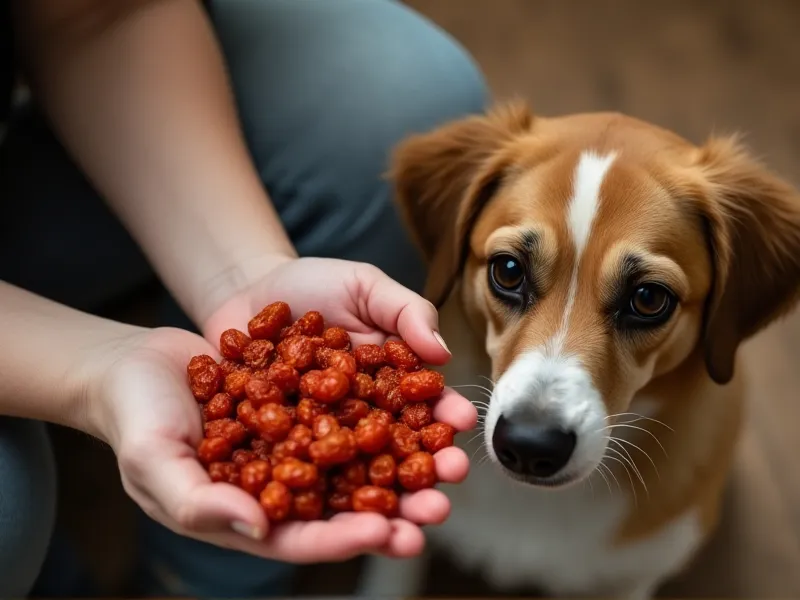
Table of Contents
- Is It Safe? The Short Answer
- Sundried Tomatoes vs. Fresh Tomatoes: What’s the Difference?
- Potential Benefits of Sundried Tomatoes for Dogs
- Nutrient Boost: Vitamins, Fiber & Antioxidants
- Lycopene: The “Super Antioxidant”
- Risks to Watch Out For: Why Moderation Matters
- High Sugar Content: A Hidden Downside
- Stomach Upset & Digestive Issues
- Choking Hazards & Choking Risks
- Added Ingredients: Salt, Preservatives & Toxic Additives
- How Much Sundried Tomato Can Dogs Eat? Safe Serving Sizes
- Healthier Alternatives to Sundried Tomatoes
- FAQ: Your Most Pressing Questions Answered
- Conclusion: Treat Smart, Keep Your Pup Happy
1. Is It Safe? The Short Answer
Let’s cut to the chase: sundried tomatoes are not toxic to dogs, but they’re far from an ideal snack. Unlike onions, garlic, or grapes (which are actively toxic), sundried tomatoes won’t send your dog to the ER in small amounts. However, their concentrated nature—drying removes water, amplifying sugar, fiber, and potential additives—means they come with risks that make them a “proceed with caution” treat.
Think of them like candy for dogs: a tiny bite now and then might be okay, but regular or large servings could lead to digestive upset, weight gain, or worse.
2. Sundried Tomatoes vs. Fresh Tomatoes: What’s the Difference?
To understand why sundried tomatoes are trickier than fresh ones, let’s compare:
- Fresh tomatoes: Ripe, red tomatoes (avoid green parts, which contain toxic tomatine) are low in calories, high in water, and packed with vitamins A, C, and K, plus fiber. They’re a safe, hydrating snack in moderation.
- Sundried tomatoes: Fresh tomatoes are dehydrated, which removes most water. This concentrates both the good stuff (nutrients) and the bad (sugar, fiber, and any added ingredients like salt or oil). A 1-cup serving of fresh tomatoes has ~5 grams of sugar; sundried tomatoes? Up to 20 grams per cup (depending on the brand). Yikes!
So, while fresh tomatoes can be a healthy occasional treat, sundried versions are more like a “concentrated” version—with all the pros and cons amplified.
3. Potential Benefits of Sundried Tomatoes for Dogs
Before we focus on the risks, let’s acknowledge the potential upsides. Sundried tomatoes do contain nutrients that could benefit dogs in small doses:
Nutrient Boost: Vitamins, Fiber & Potassium
Sundried tomatoes retain key vitamins like:
- Vitamin A: Supports eye health, immune function, and skin/coat health.
- Vitamin C: An antioxidant that aids collagen production and immune support.
- Vitamin K: Important for blood clotting and bone health.
- Potassium: Helps regulate heart function and muscle health.
They also contain dietary fiber, which can support digestion—in small amounts. And because they’re dried, these nutrients are more concentrated than in fresh tomatoes.
Lycopene: The “Super Antioxidant”
Sundried tomatoes are rich in lycopene, a powerful antioxidant linked to reduced inflammation and heart health in humans. While research on lycopene in dogs is limited, some studies suggest it may support eye health and reduce oxidative stress. However, since dogs process nutrients differently than humans, we can’t assume the same benefits—so don’t rush to add sundried tomatoes to their diet for this reason alone.
4. Risks to Watch Out For: Why Moderation Matters
The benefits are real, but the risks of sundried tomatoes often outweigh them. Here’s what to watch for:
High Sugar Content: A Recipe for Weight Gain
Sundried tomatoes are naturally high in fructose (fruit sugar). While natural sugar is better than added sugar, too much can lead to:
- Weight gain: Extra calories from sugar add up quickly, especially for small or less active dogs.
- Insulin spikes: Dogs with diabetes or insulin resistance are particularly sensitive to high-sugar treats.
- Dental issues: Sugar feeds harmful bacteria in the mouth, increasing the risk of cavities or gum disease.
Even a small handful of sundried tomatoes can contain more sugar than your dog needs in a day. For example, a 10-pound Chihuahua’s daily sugar intake should be under 2 grams—one medium sundried tomato can have ~3 grams!
Stomach Upset & Digestive Issues
The concentrated fiber and sugar in sundried tomatoes can irritate your dog’s gut, leading to:
- Diarrhea or constipation: Too much fiber can throw off their digestive balance.
- Bloating or gas: Fermentation of excess sugar in the gut can cause discomfort.
- Vomiting: High sugar or fiber may trigger nausea, especially in sensitive dogs or puppies.
Choking Hazards: Small, Chewy & Sticky
Sundried tomatoes are small, chewy, and often sticky—making them a choking risk, especially for small breeds or dogs who gulp treats without chewing. Even larger dogs can get pieces stuck in their throat or esophagus, which requires immediate veterinary attention.
Added Ingredients: Salt, Preservatives & Toxic Additives
Many store-bought sundried tomatoes come with extra ingredients that are dangerous for dogs:
- Salt: Added to enhance flavor, but dogs need very little sodium. Too much can cause sodium ion poisoning (symptoms: vomiting, diarrhea, seizures, even death).
- Garlic or onion powder: Some brands mix in herbs like garlic or onion, which are toxic to dogs (they damage red blood cells).
- Sulfites: Used as preservatives in some dried fruits/veggies, sulfites can cause allergic reactions (itching, swelling, difficulty breathing) in sensitive dogs.
- Oil: Sundried tomatoes are often packed in olive oil, which is high in fat. Too much fat can lead to pancreatitis, a painful and life-threatening condition.
5. How Much Sundried Tomato Can Dogs Eat? Safe Serving Sizes
If you still want to share a tiny piece with your pup (we get it—those puppy eyes!), follow these rules:
- Stick to “tiny” portions: For a 50-pound dog, 1–2 small pieces (about the size of a pea) is enough. For toy breeds (e.g., Chihuahuas, Yorkies), half a small piece is plenty.
- Occasional only: Treat sundried tomatoes like a “once-in-a-blue-moon” snack, not a weekly treat.
- Check the label first: Avoid any with added salt, garlic, onion, or sulfites. Opt for plain, unsalted, oil-free varieties if possible (though these are rare).
- Monitor for reactions: After giving a piece, watch for 24 hours. If your dog vomits, has diarrhea, or seems lethargic, contact your vet.
6. Healthier Alternatives to Sundried Tomatoes
Instead of risking the downsides of sundried tomatoes, try these safer, nutrient-packed alternatives:
Fresh Tomatoes (Ripe, No Green Parts)
Stick to ripe, red tomatoes (remove the stem and green parts, which have toxic tomatine). They’re hydrating, low in sugar, and full of vitamins—plus, the water content reduces the risk of stomach upset.
Cucumber
Crunchy, low-calorie, and 95% water—cucumber is perfect for hot days. It has vitamins K and C, plus potassium, with almost no sugar.
Carrots
Chewy, high in fiber, and rich in vitamin A. Raw carrots also help clean your dog’s teeth!
Green Beans (Steamed or Raw)
A low-carb, high-fiber snack with vitamins A, C, and K. Great for dogs watching their weight.
Blueberries
Tiny, sweet, and packed with antioxidants (like lycopene, but without the sugar spike!). They’re safe in moderation and dogs love them.
7. FAQ: Your Most Pressing Questions Answered
Q: Are sundried tomatoes toxic to dogs?
A: No, they’re not toxic. But they’re not safe in large amounts due to sugar, fiber, and additives.
Q: Can puppies eat sundried tomatoes?
A: It’s best to avoid them. Puppies have sensitive digestive systems, and the high sugar/fiber could cause diarrhea or stomach pain.
Q: What if my dog ate a lot of sundried tomatoes?
A: If they ate more than a tiny piece (e.g., a whole handful), call your vet. Watch for symptoms like vomiting, diarrhea, lethargy, or excessive thirst (signs of high sugar/salt).
Q: Are homemade sundried tomatoes safer than store-bought?
A: Homemade versions (dried without salt, oil, or herbs) are better, but they still have concentrated sugar and fiber. They’re less risky, but still not ideal.
Q: My dog loves sundried tomatoes—can I give them regularly?
A: We don’t recommend it. The sugar and fiber add up over time, increasing the risk of weight gain or digestive issues. Stick to the alternatives above!
8. Conclusion: Treat Smart, Keep Your Pup Happy
Sundried tomatoes aren’t toxic to dogs, but they’re a “treat at your own risk” food. Their high sugar, fiber, and potential additives make them more trouble than they’re worth for most pups.
Instead of sharing your charcuterie board, opt for fresh veggies like carrots, cucumber, or ripe tomatoes—they’re just as tasty (to your dog!) and far healthier. And when in doubt, always check with your vet before introducing new foods, especially if your dog has health issues like diabetes, obesity, or allergies.
After all, the best treat you can give your pup is a long, healthy life—so treat smart, and keep those tails wagging!
References
- American Society for the Prevention of Cruelty to Animals (ASPCA). “Tomato.” aspca.org
- American Kennel Club (AKC). “Can Dogs Eat Tomatoes?” akc.org
- VCA Animal Hospitals. “Sodium Ion Toxicosis in Dogs.” vcahospitals.com
- PetMD. “Lycopene for Dogs: Benefits, Risks, and Uses.” petmd.com