· 9 min read
Can Dogs Eat Sugar Snap Peas? A Complete Guide for Pet Parents
It’s a sunny afternoon, and you’re snacking on a crisp, fresh handful of sugar snap peas. Out of the corner of your eye, you spot your pup—tail wagging, head tilted, those big “please share” eyes locked on your snack. Before you toss them a pea, you pause: Are sugar snap peas safe for dogs?
As pet parents, we’ve all been there. We want to spoil our furry friends with tasty treats, but we also need to make sure those treats won’t harm them. Sugar snap peas are a popular human snack—low in calories, crunchy, and packed with nutrients—but can our dogs join in on the fun?
In this guide, we’ll answer that question and more. We’ll break down the benefits, potential risks, and how to safely feed sugar snap peas to your dog. Let’s dive in!
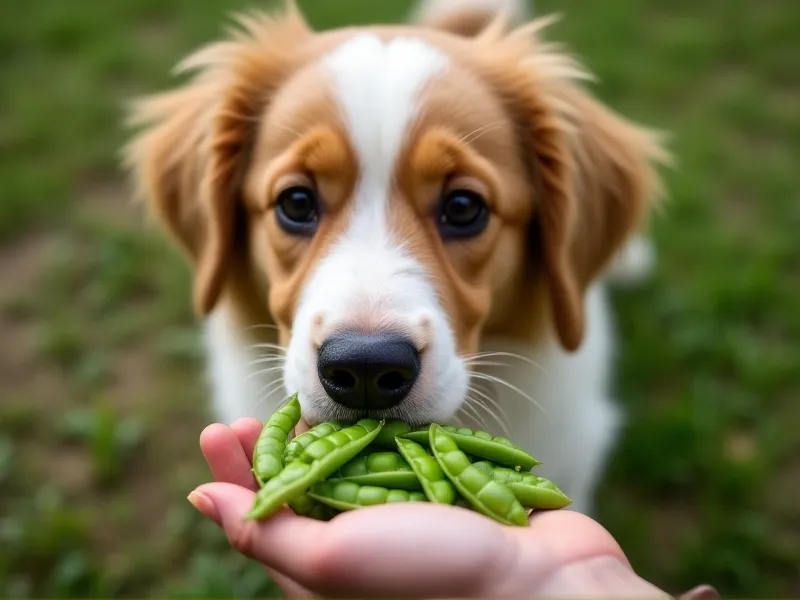
Table of Contents
- Can Dogs Eat Sugar Snap Peas? The Short Answer
- Nutritional Benefits of Sugar Snap Peas for Dogs
- Potential Risks to Watch Out For
- How to Safely Feed Sugar Snap Peas to Your Dog
- Healthier Alternatives to Sugar Snap Peas
- Frequently Asked Questions (FAQ)
- Conclusion
- References
Can Dogs Eat Sugar Snap Peas? The Short Answer
Yes, dogs can eat sugar snap peas in moderation.
These vibrant, sweet-tasting vegetables are non-toxic to dogs and can even offer some health benefits. They’re low in calories, high in fiber, and packed with vitamins—making them a better alternative to processed dog treats. However, like any human food, they should be served carefully to avoid potential risks (more on that later!).
The key word here is moderation. Sugar snap peas are a treat, not a replacement for your dog’s balanced, species-appropriate diet. Let’s explore why they’re a great occasional snack—and what to watch out for.
Nutritional Benefits of Sugar Snap Peas for Dogs
Sugar snap peas aren’t just tasty—they’re nutritional powerhouses! Here’s why they might make a great addition to your dog’s treat rotation:
1. Rich in Essential Vitamins
Sugar snap peas are loaded with vitamins that support your dog’s overall health:
- Vitamin A: Critical for eye health, immune function, and healthy skin/coat.
- Vitamin C: An antioxidant that boosts the immune system and fights inflammation. (Dogs produce some vitamin C on their own, but extra can help during stress or illness!)
- Vitamin K: Supports blood clotting and bone health, keeping your pup’s joints and bones strong.
2. High in Fiber for Digestive Health
Fiber is a dog’s best friend when it comes to digestion—and sugar snap peas deliver! A 1-cup serving of sugar snap peas contains about 2.6 grams of fiber, which helps:
- Regulate bowel movements (goodbye, constipation!).
- Keep your dog feeling full longer (great for weight management!).
- Support a healthy gut microbiome by feeding beneficial gut bacteria.
3. Potassium for Heart and Muscle Function
Potassium is an electrolyte that plays a key role in heart health, muscle contraction, and nerve function. Sugar snap peas contain about 200mg of potassium per cup, which helps keep your dog’s heart rhythm steady and muscles working properly.
4. Low in Calories (Perfect for Weight Watchers!)
At just 41 calories per cup, sugar snap peas are a guilt-free treat for dogs watching their waistlines. Unlike high-calorie commercial treats (which can contribute to obesity), sugar snap peas let you spoil your pup without packing on extra pounds.
5. Crunchy Texture for Dental Health
That satisfying crunch? It’s not just tasty—it’s good for your dog’s teeth! Chewing on raw sugar snap peas can help scrape away plaque and tartar, reducing the risk of dental disease. Just think of them as a natural “dental chew” (minus the added chemicals!).
Potential Risks to Watch Out For
While sugar snap peas are generally safe, they’re not without risks—especially if fed incorrectly. Here’s what to keep in mind:
1. Natural Sugar: Moderation is Key
Sugar snap peas get their “sweet” name for a reason: they contain natural sugars (about 5 grams per cup). For most dogs, this is harmless in small amounts. But if your dog eats too many, those sugars can add up, leading to:
- Weight gain over time.
- Blood sugar spikes (a concern for dogs with diabetes or insulin resistance).
Pro tip: If your dog has diabetes, check with your vet before feeding sugar snap peas.
2. Fiber Overload: Stomach Upset
While fiber is great for digestion, too much can cause digestive chaos—especially in dogs with sensitive stomachs. Signs of fiber overload include:
- Gas or bloating.
- Diarrhea or loose stools.
- Abdominal discomfort (pacing, whining, or reluctance to eat).
This is most likely to happen if your dog gobbles down a whole bowl of peas at once. Stick to small portions to avoid tummy trouble!
3. Choking Hazard: Size and Preparation Matter
Whole sugar snap peas (especially the tough, stringy parts) can pose a choking risk—especially for small dogs or puppies. The pods can get stuck in their throat, leading to gagging or difficulty breathing.
Even larger dogs might struggle if they swallow peas whole. Always cut sugar snap peas into bite-sized pieces to reduce this risk!
4. Seasonings and Additives: A Big No-No
Plain, unseasoned sugar snap peas are safe—but seasoned ones are not. Avoid feeding your dog peas that have been:
- Salted, buttered, or oiled.
- Tossed with garlic, onion, or spices (these are toxic to dogs!).
- Cooked with sauces (like soy sauce or teriyaki, which are high in sodium).
Always serve sugar snap peas raw or lightly cooked, with no added ingredients.
How to Safely Feed Sugar Snap Peas to Your Dog
Now that you know the benefits and risks, let’s break down how to serve sugar snap peas safely. Follow these guidelines to keep your pup happy and healthy:
Step 1: Start with a Small Portion
If it’s your dog’s first time trying sugar snap peas, start tiny! Offer 1–2 cut-up peas and monitor for 24 hours. Watch for signs of upset (diarrhea, vomiting, or lethargy). If they tolerate it, you can gradually increase the portion.
Step 2: Stick to the 10% Rule
Treats—including sugar snap peas—should never make up more than 10% of your dog’s daily calories. This ensures they’re still getting all the nutrients from their regular dog food.
Portion guide by dog size:
- Small dogs (10–20 lbs): 2–3 sugar snap peas per day (cut into pieces).
- Medium dogs (30–50 lbs): 4–5 sugar snap peas per day.
- Large dogs (60+ lbs): 6–8 sugar snap peas per day.
Step 3: Prepare Them Properly
- Wash thoroughly: Rinse peas under cold water to remove dirt, pesticides, or bacteria.
- Remove tough strings: Snap off the stem end and pull the stringy fiber along the pod (this is the most likely part to cause choking!).
- Cut into bite-sized pieces: Slice peas into ½-inch chunks (smaller for tiny breeds) to prevent choking.
Step 4: Raw vs. Cooked? Both Work!
Sugar snap peas can be fed raw or cooked—each has pros and cons:
- Raw: Crunchier, better for dental health, and retains more nutrients. Best for dogs who love chewing.
- Cooked: Softer, easier to digest (great for senior dogs or those with dental issues). Steam or blanch them (don’t boil—this leaches nutrients!) and let them cool before serving.
Healthier Alternatives to Sugar Snap Peas
If sugar snap peas aren’t your dog’s favorite (or you want to mix up their treats), try these safe, nutrient-packed alternatives:
1. Green Beans
- Why they’re great: Lower in sugar than snap peas, higher in fiber, and loaded with vitamins A, C, and K.
- Bonus: Canned green beans (no salt added!) are a budget-friendly option for busy pet parents.
2. Carrots
- Why they’re great: Crunchy, low-calorie, and packed with beta-carotene (which converts to vitamin A). They’re also great for teething puppies!
- Pro tip: Freeze carrot sticks for a refreshing summer treat.
3. Cucumber
- Why they’re great: 96% water, making them a hydrating snack for hot days. They’re low in calories, sugar, and fiber—perfect for dogs with sensitive stomachs.
4. Broccoli Florets (in moderation!)
- Why they’re great: High in vitamin C, fiber, and antioxidants.
- Note: Stick to small portions (too much can cause gas). Avoid the tough stalks—only feed the florets.
Frequently Asked Questions (FAQ)
Q: Can puppies eat sugar snap peas?
A: Yes, but introduce them slowly! Puppies have sensitive digestive systems, so start with 1–2 cut-up peas. Avoid feeding large portions, as their tummies can’t handle excess fiber yet.
Q: Are sugar snap peas better raw or cooked for dogs?
A: Both are safe! Raw peas are crunchier (great for teeth), while cooked peas are softer (easier for seniors or dogs with dental issues). Just skip boiling—steam or blanch instead to keep nutrients intact.
Q: Can dogs eat the pods of sugar snap peas?
A: Yes, the pods are edible! But they’re tougher than the peas inside, so always remove the stringy fiber and cut the pods into small pieces to avoid choking.
Q: My dog ate a whole bowl of sugar snap peas—what should I do?
A: Don’t panic! Monitor for signs of stomach upset (diarrhea, gas, vomiting). If symptoms are mild, withhold food for 12–24 hours and offer small amounts of water. If symptoms are severe (bloating, lethargy, or vomiting), contact your vet.
Q: Can diabetic dogs eat sugar snap peas?
A: Maybe, but check with your vet first. Sugar snap peas have natural sugars, which can raise blood sugar levels. Your vet can help you decide if small portions are safe for your dog’s specific condition.
Conclusion
So, can dogs eat sugar snap peas? Yes—in moderation! These crunchy, sweet veggies are a safe, nutrient-dense treat that most dogs love. They offer vitamins, fiber, and even dental benefits, making them a great alternative to processed treats.
Just remember: Always wash them, cut them into small pieces, and stick to the 10% rule for treats. Avoid seasoned or salted peas, and monitor your dog for any signs of digestive upset.
At the end of the day, the best treat for your dog is your love—but a few sugar snap peas now and then? That’s just the cherry on top (or should we say, the pea in the pod?).
As always, if you have questions about your dog’s diet, consult your vet. They know your pup’s unique needs and can help you make the best choices.
References
- American Society for the Prevention of Cruelty to Animals (ASPCA). “People Foods to Avoid Feeding Your Pets.” aspca.org
- American Kennel Club (AKC). “Can Dogs Eat Peas?” akc.org
- PetMD. “Vegetables Dogs Can and Can’t Eat.” petmd.com
- Veterinary Nutritionist Dr. Lisa Freeman. “Feeding Vegetables to Dogs: Benefits and Risks.” Tufts University Cummings School of Veterinary Medicine.
Disclaimer: This article is for informational purposes only and not a substitute for professional veterinary advice. Always consult your vet before introducing new foods to your dog’s diet.