· 8 min read
Can Dogs Eat Sugar-Free Popsicles? A Pet Parent’s Guide to Cool Treats
It’s a sweltering summer afternoon, and you’re savoring a sugar-free popsicle to beat the heat. Beside you, your dog sits, tail thumping, eyes locked on the frozen treat in your hand. “Just a little bite?” you wonder. After all, it’s sugar-free—how bad could it be?
Before you share that icy morsel, let’s dive into the truth about sugar-free popsicles and dogs. Are they a safe way to cool your pup down, or do they hide dangerous surprises? Let’s break it down.
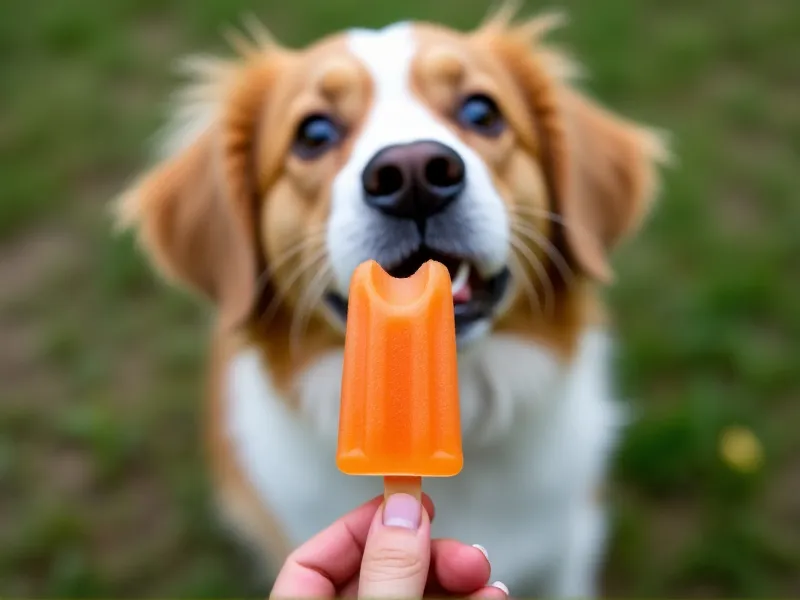
Table of Contents
- Can Dogs Eat Sugar-Free Popsicles? The Short Answer
- Potential Benefits: When Sugar-Free Popsicles Might Help
- The Hidden Risks: Why Sugar-Free Popsicles Can Be Dangerous
- Safe Guidelines: If You Choose to Share
- Healthier Alternatives: Homemade Popsicles Your Dog Will Love
- FAQ: Your Questions Answered
- Conclusion: Cool Treats, Happy Pups
Can Dogs Eat Sugar-Free Popsicles? The Short Answer
No, most store-bought sugar-free popsicles are not safe for dogs.
The biggest red flag? Xylitol—a common sugar substitute in “sugar-free” products. Even tiny amounts of xylitol are toxic to dogs, causing life-threatening low blood sugar, seizures, or liver failure.
But what if the popsicle doesn’t have xylitol? Other risks—like artificial sweeteners, excess sugar (yes, even in “sugar-free” versions with other sweeteners), dairy, or choking hazards—still make most store-bought options risky.
That said, homemade sugar-free popsicles (made with dog-safe ingredients like fruit and plain yogurt) can be a safe, occasional treat. The key is controlling the ingredients.
Potential Benefits: When Sugar-Free Popsicles Might Help
Let’s start with the good news: Not all frozen treats are created equal. If you’re making popsicles at home with fresh, dog-safe ingredients, they can offer some benefits. Here’s what to look for:
1. Hydration in Hot Weather
Dogs cool down by panting, but on scorching days, they need extra hydration. A frozen treat made with water-rich fruits (like watermelon or cucumber) can help them drink more fluids without even realizing it.
2. Nutrients from Fruit
Fruit-based popsicles (without added sugars or sweeteners) pack vitamins and minerals:
- Fiber: Berries (blueberries, strawberries) and bananas add fiber, which supports digestion.
- Vitamins: Vitamin C (from citrus, though use sparingly—too much upsets tummies), vitamin A (from mango or cantaloupe) for eye health.
- Potassium: Bananas and coconut water are rich in potassium, which helps regulate blood pressure and muscle function.
3. A Low-Calorie Treat Option
If your dog is watching their weight, a small, homemade sugar-free popsicle (no added sugars) can be a lower-calorie alternative to cookies or commercial treats. For example, a popsicle made with mashed banana and water has fewer calories than a milk bone.
But remember: These benefits come from the ingredients, not the “sugar-free” label. Store-bought sugar-free popsicles often swap sugar for artificial sweeteners or additives that cancel out any nutritional perks.
The Hidden Risks: Why Sugar-Free Popsicles Can Be Dangerous
Now, the critical part: Understanding the risks of sugar-free popsicles—especially store-bought ones. Here’s what to watch for:
1. Xylitol: The Deadly Sweetener
Xylitol is the number one danger in sugar-free products. This sugar substitute is toxic to dogs even in small amounts.
How does it harm dogs? Xylitol triggers a rapid release of insulin in dogs, causing blood sugar to plummet (hypoglycemia) within 10–60 minutes. Symptoms include:
- Vomiting
- Lethargy
- Loss of coordination
- Seizures
- Liver failure (in severe cases)
Even a single sugar-free popsicle containing xylitol can kill a small dog. Always check labels for “xylitol,” “wood sugar,” or “birch sugar.”
2. Other Artificial Sweeteners
Xylitol isn’t the only culprit. Other sugar substitutes may not be toxic, but they can still cause problems:
- Sorbitol, Mannitol: These sugar alcohols often cause diarrhea or gas in dogs (and humans!).
- Stevia: Generally considered safe in small amounts, but some dogs may have stomach upset if they eat too much.
- Aspartame: Rarely toxic, but there’s limited research on long-term effects in dogs. It’s best to avoid.
3. “Sugar-Free” Doesn’t Mean “No Sugar”
Some “sugar-free” popsicles still contain natural sugars (like high-fructose corn syrup or honey) to improve taste. Too much sugar leads to:
- Obesity: Extra calories pile on quickly, increasing the risk of diabetes and joint pain.
- Dental disease: Sugar feeds harmful bacteria in your dog’s mouth, causing cavities and gum disease.
4. Dairy and Lactose Intolerance
Many popsicles (even sugar-free ones) contain milk, cream, or yogurt. Most adult dogs are lactose intolerant—their bodies don’t produce enough lactase to digest dairy. This can lead to:
- Bloating
- Diarrhea
- Gas or stomach cramps
5. Choking and Blockage Hazards
Popsicles are frozen, which makes them hard. A chunk could break off and lodge in your dog’s throat, causing choking. Even worse: the stick. Dogs love to chew, and a popsicle stick can splinter, leading to cuts in the mouth or intestinal blockages (which often require surgery).
Safe Guidelines: If You Choose to Share
If you’re set on giving your dog a sugar-free popsicle, follow these rules to minimize risk:
1. Read the Label Carefully
Scan the ingredients for:
- Xylitol: Avoid at all costs.
- Artificial sweeteners (sorbitol, mannitol, aspartame): Proceed with extreme caution.
- Dairy: Skip if your dog is lactose intolerant.
- Added sugars (high-fructose corn syrup, honey, cane sugar): Limit these—even “small amounts” add up.
2. Stick to Small Portions
A popsicle is a treat, not a meal. For a medium-sized dog (30–50 lbs), 1–2 small bites is plenty. Small dogs (under 20 lbs) should get even less—think a teaspoon-sized nibble. Large dogs can have a bit more, but no more than 1/4 of a popsicle.
3. Avoid the Stick
Always remove the stick before giving your dog a popsicle. If they chew the stick, it can splinter and cause internal damage.
4. Monitor for Reactions
After giving a popsicle, watch for signs of stomach upset: vomiting, diarrhea, or excessive gas. If you see these, skip popsicles in the future.
5. When in Doubt, Skip It
If the label has ingredients you don’t recognize, or if it contains xylitol, artificial sweeteners, or dairy—play it safe and toss it. Your dog’s health isn’t worth the risk.
Healthier Alternatives: Homemade Popsicles Your Dog Will Love
The safest sugar-free popsicles for dogs are the ones you make yourself. Here are 3 easy, vet-approved recipes:
1. Banana-Blueberry Freeze
Ingredients: 1 ripe banana, 1/4 cup fresh blueberries, 2 tbsp water.
How to make: Mash the banana, stir in blueberries and water, pour into ice cube trays or small silicone molds, freeze for 4–6 hours.
Why it works: Bananas add potassium and fiber; blueberries offer antioxidants. No added sugars or sweeteners!
2. Yogurt-Peanut Butter Pops (Lactose-Free Option)
Ingredients: 1/2 cup plain, unsweetened yogurt (use lactose-free if your dog is sensitive), 1 tbsp natural peanut butter (no xylitol!), 1 tsp honey (optional, for small dogs).
How to make: Mix all ingredients, pour into molds, freeze.
Why it works: Yogurt adds probiotics (good for digestion); peanut butter is a favorite (just check for xylitol!).
3. Watermelon-Coconut Cooler
Ingredients: 1 cup seedless watermelon, 2 tbsp coconut water (no added sugars).
How to make: Blend watermelon and coconut water until smooth, freeze in molds.
Why it works: Watermelon is 92% water (hydrating!) and low in calories; coconut water adds electrolytes.
Pro Tip: Use Dog-Safe Fruits Only
Stick to these fruits (all safe in moderation):
✅ Bananas, blueberries, strawberries, watermelon, apples (no seeds!), mango, cantaloupe.
❌ Grapes/raisins (toxic!), cherries (pits contain cyanide), citrus (too acidic in large amounts).
FAQ: Your Questions Answered
Q: My dog ate a sugar-free popsicle with xylitol! What do I do?
A: Call your vet or the ASPCA Poison Control Center (888-426-4435) immediately. Xylitol toxicity can start within 10–60 minutes. Symptoms include vomiting, lethargy, loss of coordination, or seizures. Early treatment (like inducing vomiting or giving IV fluids) saves lives.
Q: Are popsicles with stevia safe for dogs?
A: Stevia is generally non-toxic, but it can cause stomach upset in some dogs. Start with a tiny amount (a lick) and watch for diarrhea or vomiting. Better yet, skip artificial sweeteners altogether and use fruit for sweetness.
Q: Can my dog have a regular (sugar-sweetened) popsicle instead?
A: Occasional small bites are okay, but avoid overdoing it. Regular popsicles are high in sugar, which leads to obesity, dental issues, and energy spikes/crashes. Stick to homemade options with natural sugars from fruit.
Q: Is it safe to give my dog a popsicle on a hot day to cool down?
A: Yes—if it’s made with safe ingredients! Homemade fruit popsicles are a great way to help your dog beat the heat. Just avoid store-bought versions with hidden toxins.
Conclusion: Cool Treats, Happy Pups
Sugar-free popsicles can be a refreshing treat for your dog—but only if they’re made with safe, homemade ingredients. Store-bought versions often contain xylitol, artificial sweeteners, or other risky additives that can harm your pup.
When in doubt, skip the store-bought pops and whip up a batch at home. Your dog will love the fruity flavor, and you’ll love knowing exactly what’s in their treat.
As always, moderation is key. A popsicle is a special snack, not a daily staple. And if you’re unsure about an ingredient or your dog has health issues (like diabetes), check with your vet first.
Here’s to cool, safe summer treats—and a very happy pup!
References
- American Society for the Prevention of Cruelty to Animals (ASPCA). “Xylitol Toxicity in Dogs.” aspca.org/pet-care/animal-poison-control/xylitol-poisoning-dogs
- PetMD. “Can Dogs Eat Popsicles?” petmd.com/dog/nutrition/can-dogs-eat-popsicles
- FDA. “Xylitol: A Sweetener That’s Toxic to Dogs.” fda.gov/animal-veterinary/animal-health-literacy/xylitol-sweetener-thats-toxic-dogs
- VCA Hospitals. “Fruits and Vegetables Dogs Can or Can’t Eat.” vcahospitals.com/know-your-pet/fruits-and-vegetables-dogs-can-or-cant-eat