· 8 min read
Can Dogs Eat Sucralose? What Pet Parents Need to Know
You’re stirring a packet of sweetener into your afternoon tea when your dog—ever the curious opportunist—jumps up and snatches the empty wrapper from the counter. “Splenda!” you yelp, snatching it back. But the damage is done: a few crumbs cling to their snout. Instantly, you’re hit with that all-too-familiar pet parent panic: Is sucralose safe for dogs? Could that tiny taste land them in the vet’s office?
If you’ve ever wondered whether your pup can sneak a lick of your diet soda or a crumb from your low-sugar snack, you’re not alone. With more of us swapping sugar for artificial sweeteners, it’s critical to know which ones are pet-friendly. Let’s dive into the facts about sucralose and dogs—so you can keep your furry friend happy, healthy, and out of harm’s way.
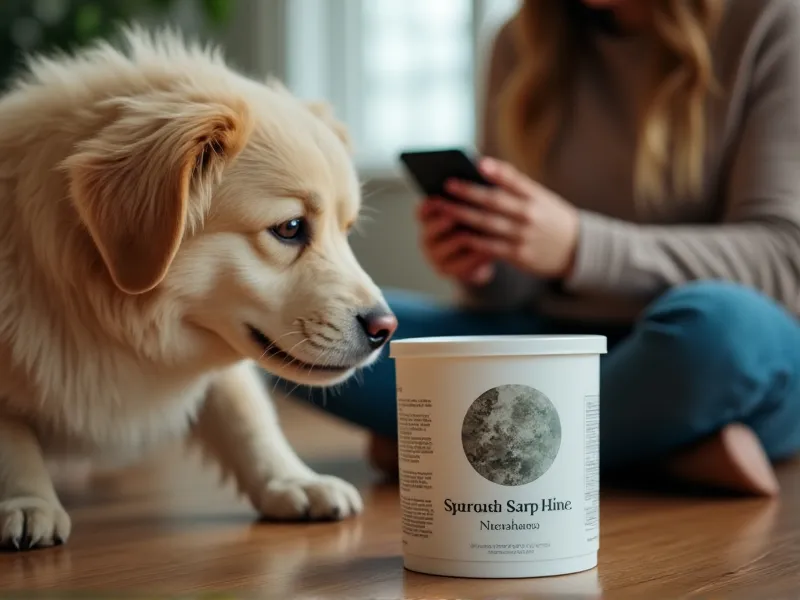
Table of Contents
- What Is Sucralose?
- Can Dogs Eat Sucralose? The Short Answer
- Potential Benefits of Sucralose for Dogs (If Any)
- Risks of Sucralose for Dogs to Watch For
- How Much Sucralose Is Safe for Dogs?
- Healthier Alternatives to Sucralose for Dogs
- FAQ: Your Sucralose Questions Answered
- Conclusion: When in Doubt, Skip the Sweetener
What Is Sucralose?
First, let’s get to know the sweetener in question. Sucralose is a non-nutritive artificial sweetener—meaning it has little to no calories or nutritional value, but it’s intensely sweet (about 600 times sweeter than table sugar!). You’ve probably seen it in products like:
- Diet sodas and “zero-sugar” drinks
- Sugar-free snacks (granola bars, cookies, gum)
- Baking mixes labeled “low-sugar” or “sugar-free”
- Packet sweeteners (like Splenda, the most popular brand of sucralose).
Chemically, sucralose is made by modifying sugar molecules: three hydrogen-oxygen groups are replaced with chlorine atoms. This change makes it indigestible for humans (hence, no calories), and our bodies pass most of it through without breaking it down. But what about dogs?
Can Dogs Eat Sucralose? The Short Answer
No, dogs do not need sucralose in their diet—but small, accidental amounts are unlikely to harm them.
Unlike xylitol (a sugar substitute extremely toxic to dogs), sucralose is not considered poisonous to pets. The ASPCA Animal Poison Control Center (APCC) does not list sucralose as a toxic substance for dogs, and the FDA has approved it as safe for human consumption (with no red flags for pets in small doses).
That said: Just because it’s not toxic doesn’t mean it’s healthy. Sucralose offers no nutritional benefits to dogs, and in large amounts, it may cause digestive upset. Let’s break down the pros and cons.
Potential Benefits of Sucralose for Dogs (If Any)
Let’s be honest: There are very few upsides to feeding sucralose to your dog. Here’s why:
1. Zero Calories—But Dogs Don’t Crave Sweetness
Humans seek out low-calorie sweeteners to cut sugar intake, but dogs don’t have the same “sweet tooth” drive. Dogs have fewer taste buds than humans, and while they can detect sweetness, they’re far more motivated by savory flavors (think: meat, cheese). Adding sucralose to their food won’t make it more appealing—and it won’t help them lose weight unless you’re also cutting calories elsewhere (which is better done with whole foods, not sweeteners).
2. No Sugar Spikes—But Again, Not Necessary
Sucralose doesn’t raise blood sugar levels, which is great for humans with diabetes. But dogs with diabetes should already be on a vet-approved, low-carb diet—adding sucralose to their food isn’t needed and could even backfire if it encourages begging for human snacks.
The bottom line: There’s no reason to intentionally feed your dog sucralose. Any “benefits” are negligible at best.
Risks of Sucralose for Dogs to Watch For
While small doses (like a few crumbs from a Splenda packet) are harmless, larger amounts of sucralose may cause issues. Here’s what to watch for:
1. Digestive Upset: Diarrhea, Gas, or Bloating
Dogs have sensitive stomachs, and artificial sweeteners can disrupt their gut balance. Sucralose is not fully digestible for dogs, either—most of it passes through their system, but some may ferment in the colon, leading to:
- Loose stools or diarrhea
- Excessive gas
- Bloating or stomach discomfort.
This is more likely if your dog eats a large quantity (e.g., a whole box of sugar-free cookies sweetened with sucralose) or if they have a history of IBS or food sensitivities.
2. The “Junk Food” Trap
Sucralose is often added to human junk food: diet cookies, soda, candy, or processed snacks. If your dog steals a sucralose-sweetened snack, they’re not just getting sucralose—they’re getting empty calories, preservatives, or even other harmful ingredients (like chocolate, raisins, or xylitol—always check labels!).
3. Long-Term Unknowns
Most studies on sucralose focus on humans, not dogs. We know it’s safe for humans in moderation (the FDA’s “acceptable daily intake” is 5 mg per kg of body weight), but we don’t have data on how chronic, low-level sucralose intake affects dogs over time. Until we do, it’s better to avoid making it a regular part of their diet.
How Much Sucralose Is Safe for Dogs?
There’s no official “dose” for dogs, but vets generally agree: Accidental ingestion of small amounts (e.g., a sprinkle from a packet, a crumb of a sugar-free cookie) is not a cause for panic.
To put it in perspective: A single Splenda packet contains ~1 gram of sucralose. For a 50-pound dog (~23 kg), that’s a tiny fraction of the human “acceptable daily intake” (which, for a 50-pound human, would be ~52 mg per day—way less than 1 gram).
When to worry: If your dog eats a large quantity (e.g., an entire box of sucralose packets, a whole bag of sugar-free candy), monitor them for 24 hours. Signs of trouble include:
- Vomiting
- Diarrhea (especially if watery or persistent)
- Lethargy
- Loss of appetite.
If you notice these symptoms, call your vet. They may recommend supportive care (like probiotics or electrolytes) to soothe their stomach.
Healthier Alternatives to Sucralose for Dogs
If you want to add a “treat” factor to your dog’s diet (or need a low-sugar topper for medication), skip the sucralose and reach for these whole-food options instead:
1. Fresh Fruits (In Moderation)
Many dogs love sweet fruits, which offer vitamins, fiber, and natural sugars. Safe choices include:
- Blueberries (rich in antioxidants)
- Sliced apples (remove seeds—they contain cyanide!)
- Banana (a potassium boost, but high in sugar—limit to 1–2 slices per day for small dogs)
- Watermelon (seedless, hydrating, and low-calorie).
2. Plain Yogurt (Unsweetened)
A spoonful of plain, unsweetened yogurt (dairy or non-dairy, like coconut yogurt) adds a creamy, slightly tangy flavor. Look for versions with live cultures to support gut health—just avoid those with added sugar or artificial sweeteners.
3. Pumpkin Puree (Unsweetened)
Canned pumpkin (not pie filling!) is a dog favorite. It’s high in fiber (great for digestion) and low in calories. Mix a tablespoon into their kibble for a tasty, nutrient-dense topper.
4. Small Bits of Cooked Sweet Potato
Baked or boiled sweet potato (no butter, salt, or sugar) is packed with beta-carotene and fiber. Cool it first, then dice into bite-sized pieces for a chewy treat.
FAQ: Your Sucralose Questions Answered
Q: Is Splenda safe for dogs?
A: Splenda is a brand name for products containing sucralose (the original Splenda has 1 gram of sucralose per packet). As long as it’s plain Splenda (no added xylitol or other sweeteners), small amounts are safe. Avoid “Splenda with Stevia” or other blends unless you check the label—some may include xylitol.
Q: My dog ate a sugar-free gum with sucralose. Should I panic?
A: Check the ingredients! Most sugar-free gums use xylitol, not sucralose—and xylitol is deadly for dogs (even a piece can cause liver failure). If the gum lists “sucralose” as the sweetener, monitor for stomach upset. If it has xylitol, call your vet immediately.
Q: Can sucralose cause diabetes in dogs?
A: No. Diabetes in dogs is usually caused by genetics, obesity, or pancreatitis—not artificial sweeteners. That said, feeding sugary human food (even “diet” versions) can lead to overeating and weight gain, which does increase diabetes risk. Stick to their regular dog food for meals!
Q: Are there any breeds more sensitive to sucralose?
A: No breed is specifically prone to sucralose sensitivity, but dogs with pre-existing gut issues (like inflammatory bowel disease) may react more strongly to large amounts. Always monitor new foods, regardless of breed.
Conclusion: When in Doubt, Skip the Sweetener
At the end of the day, sucralose isn’t a threat to your dog—but it’s also not a health food. A curious lick of your diet soda or a crumb from a sugar-free cookie is unlikely to hurt them, but there’s no need to make it a regular part of their routine.
Dogs thrive on simple, whole foods: high-quality kibble or wet food, fresh water, and the occasional healthy treat (like blueberries or pumpkin). If you’re ever unsure about a food or sweetener, err on the side of caution and ask your vet. They know your dog’s unique needs and can help you make the best choices for their health.
After all, your pup’s favorite “treat” isn’t a sweetener—it’s your love, playtime, and maybe a good belly rub. (Though a blueberry or two never hurts.)
References
- ASPCA Animal Poison Control Center. (n.d.). Toxic and Non-Toxic Plants. aspca.org/pet-care/animal-poison-control
- FDA. (2023). Sucralose. fda.gov/food/food-additives-pet-food/sucralose
- VCA Hospitals. (2022). Sugar Substitutes and Pets. vcahospitals.com/know-your-pet/sugar-substitutes-and-pets
- PetMD. (2021). Can Dogs Eat Splenda? petmd.com/dog/nutrition/can-dogs-eat-splenda