· 8 min read
Can Dogs Eat Stuffing? The Surprising Truth Every Pet Parent Should Know
It’s Thanksgiving, and your golden retriever is staring up at you with those big, soulful eyes, tail thumping against the chair as you carve the turkey. The scent of warm, buttery stuffing wafts from the kitchen, and you can’t help but wonder: Is it okay to share a tiny bite?
Stuffing—whether it’s the classic Thanksgiving staple, a holiday side, or a weeknight comfort food—seems harmless enough. It’s just bread, right? But as any responsible pet parent knows, “harmless” human foods can often hide hidden dangers for our furry friends. So, can dogs eat stuffing? Let’s dig in.
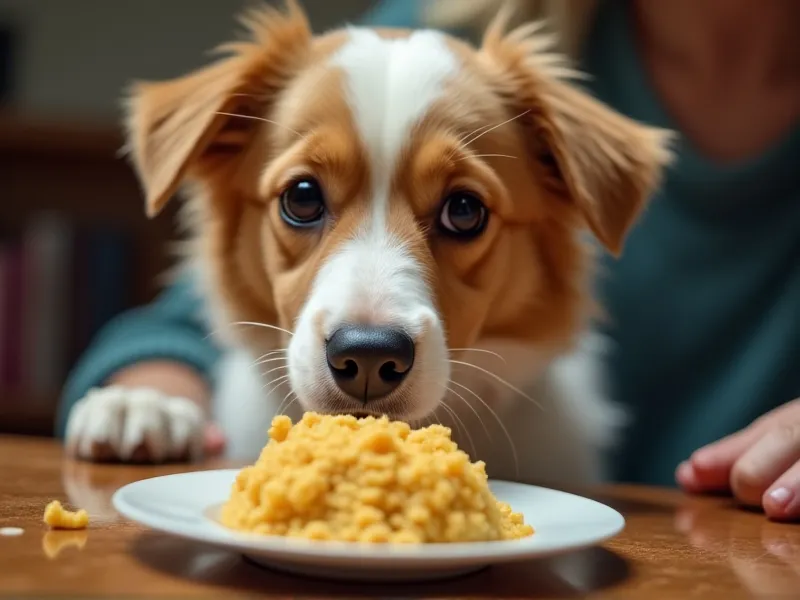
Table of Contents
- Can Dogs Eat Stuffing? The Short Answer
- What’s Actually in Stuffing, Anyway?
- Potential “Benefits” of Stuffing for Dogs (But Proceed With Caution)
- The Risks of Feeding Stuffing to Dogs: Why It’s Often a Bad Idea
- How Much Stuffing Is “Safe” for Dogs? (If Any)
- Healthier Alternatives: Dog-Friendly “Stuffing” Recipes
- FAQ: Your Most Pressing Stuffing Questions, Answered
- Conclusion: Prioritize Your Dog’s Safety This Holiday Season
Can Dogs Eat Stuffing? The Short Answer
No, most stuffing is not safe for dogs—and even “safe” versions should be fed only in tiny, occasional amounts.
Here’s why: Stuffing (whether homemade or store-bought) is rarely just plain bread. It’s loaded with ingredients like onions, garlic, sage, salt, butter, and sometimes nuts or raisins—all of which can harm dogs. While a very small bite of plain, unseasoned stuffing might not hurt, the risks almost always outweigh any “benefits.”
What’s Actually in Stuffing, Anyway?
To understand why stuffing is risky, let’s break down its typical ingredients. Traditional stuffing (or “dressing,” if baked separately from the turkey) usually includes:
- Bread or breadcrumbs: White or whole-grain, often stale.
- Aromatics: Onions, garlic, celery, carrots (the “holiday trinity”).
- Spices: Sage, thyme, rosemary, black pepper.
- Fats: Butter, oil, or turkey drippings.
- Add-ins: Nuts (walnuts, pecans), dried fruits (raisins, cranberries), or even sausage.
- Liquid: Broth (often high-sodium) or water.
The problem? Many of these ingredients are toxic or dangerous for dogs. Let’s unpack the good, the bad, and the ugly.
Potential “Benefits” of Stuffing for Dogs (But Proceed With Caution)
Before we dive into the risks, let’s acknowledge the minor upsides of plain, simplified stuffing. If you stripped stuffing down to its most basic form—say, a few pieces of unseasoned, cooked bread with a sprinkle of diced carrots or celery—it might offer:
- Fiber: Whole-grain bread or veggies like celery can add a little fiber to your dog’s diet, supporting digestion.
- Vitamins and minerals: Carrots (vitamin A), celery (vitamin K), or pumpkin (fiber, vitamin C) could provide tiny doses of nutrients.
- Mental stimulation: The novelty of a new texture or flavor might briefly entertain your pup.
But here’s the catch: These benefits are minimal. Your dog gets far more fiber, vitamins, and safety from a handful of plain carrots or a scoop of pumpkin purée than from stuffing. And most stuffing isn’t “plain”—it’s packed with risky add-ons.
The Risks of Feeding Stuffing to Dogs: Why It’s Often a Bad Idea
The real concern with stuffing lies in its common ingredients—not the rare “plain” version. Let’s break down the biggest dangers:
1. Onions and Garlic: Toxic to Dogs (Even in Small Amounts)
Onions, garlic, leeks, and chives are part of the Allium family, and they’re toxic to dogs—no exceptions. These ingredients damage a dog’s red blood cells, leading to anemia (low red blood cell count), which can cause weakness, lethargy, vomiting, or even organ failure.
Even a small amount matters: A 50-pound dog only needs to eat about 0.5 ounces of onions (or 0.1 ounces of garlic) to risk toxicity. Most homemade stuffing includes at least a handful of diced onions or garlic, making it a hidden hazard.
2. Sage: A Holiday Spice That’s Risky in Large Doses
Sage is a staple in stuffing, but it contains a compound called thujone, which can be toxic to dogs in high amounts. Thujone affects the nervous system, potentially causing dizziness, rapid heartbeat, or seizures.
While a tiny sprinkle of sage in your stuffing is unlikely to harm your dog, many recipes call for multiple tablespoons—enough to cause trouble, especially for small breeds.
3. High Salt, Sugar, and Fat: A Recipe for Stomach Upset (or Worse)
Store-bought and homemade stuffing are often loaded with:
- Salt: Excess sodium can lead to “salt toxicity,” causing vomiting, diarrhea, tremors, or even kidney damage. A single cup of stuffing can have 500–1,000 mg of sodium—more than half a small dog’s daily limit.
- Sugar: Some recipes add brown sugar or dried cranberries (which are high in sugar). Too much sugar can cause obesity, dental issues, or even diabetes over time.
- Fat: Butter, oil, or turkey drippings make stuffing rich and flavorful—but they’re also a disaster for dogs. High-fat foods trigger pancreatitis, a painful (and sometimes fatal) inflammation of the pancreas. Symptoms include vomiting, diarrhea, lethargy, and loss of appetite.
4. Choking Hazards: Nuts, Seeds, and Large Chunks
Stuffing often includes nuts (walnuts, pecans), seeds, or large bread chunks—all of which are choking risks, especially for small dogs. Nuts like macadamias are also toxic to dogs, causing weakness, vomiting, or hyperthermia.
5. Raisins and Dried Fruits: A Hidden Toxin
Some stuffing recipes add raisins or currants for sweetness, but these are toxic to dogs. Even a few raisins can cause kidney failure, with symptoms like vomiting, diarrhea, or decreased urination. There’s no “safe” amount—so avoid any stuffing with dried fruit.
How Much Stuffing Is “Safe” for Dogs? (If Any)
If you’re still tempted to share a bite of stuffing with your dog, here’s the golden rule: Less is more, and only if the stuffing is 100% plain.
- Stick to “plain” stuffing only: No onions, garlic, sage, salt, butter, nuts, or dried fruit. Think: a few pieces of unseasoned, cooked bread with a sprinkle of diced carrots (and nothing else).
- Portion size matters: A teaspoon for small dogs (e.g., Chihuahuas), a tablespoon for medium dogs (e.g., Beagles), and 2–3 tablespoons max for large dogs (e.g., Great Danes).
- Monitor for reactions: After feeding, watch for vomiting, diarrhea, lethargy, or loss of appetite. If you see any of these, call your vet immediately.
Healthier Alternatives: Dog-Friendly “Stuffing” Recipes
Instead of risking regular stuffing, treat your pup to a homemade, dog-safe version this holiday season. Here are two easy recipes:
Recipe 1: Simple Dog-Safe “Stuffing”
Ingredients:
- ½ cup cooked brown rice (or quinoa, for extra protein)
- ¼ cup mashed pumpkin (unsweetened, no spices)
- 2 tbsp diced carrots (cooked until soft)
- 2 tbsp green beans (cooked and chopped)
- 1 tsp low-sodium chicken broth (optional, for moisture)
Instructions: Mix all ingredients in a bowl. Serve warm or cold—your dog will love the cozy, savory flavor!
Recipe 2: Turkey and Veggie Stuffing (For Special Occasions)
Ingredients:
- ½ cup cooked, shredded turkey (no skin, bones, or seasoning)
- ¼ cup cooked sweet potato (mashed, no butter)
- 1 tbsp diced celery (cooked until soft)
- 1 tbsp diced apple (seedless, skin on)
- A pinch of dried parsley (safe and flavorful!)
Instructions: Combine all ingredients. Shape into small “stuffing balls” for a fun, holiday-themed treat.
FAQ: Your Most Pressing Stuffing Questions, Answered
Q: Can dogs eat stuffing with onions or garlic?
A: No. Onions and garlic are toxic to dogs, even in small amounts. Avoid any stuffing that includes these ingredients.
Q: My dog stole a big bite of Thanksgiving stuffing! What should I do?
A: Stay calm and monitor for symptoms. If the stuffing had onions, garlic, raisins, or large amounts of sage, call your vet immediately. Watch for vomiting, diarrhea, lethargy, or pale gums (signs of anemia).
Q: Is store-bought stuffing safer than homemade?
A: No—often worse. Store-bought stuffing is high in salt, preservatives, and hidden Alliums (like onion powder). Always check the label: if it lists “onion,” “garlic,” or “sage,” skip it.
Q: Can dogs eat stuffing with bread? What about plain bread?
A: Plain bread is safe in tiny amounts, but it’s not nutritious. Bread offers empty calories and can cause weight gain if overfed. Stick to whole-grain bread, and limit to 1–2 small pieces per week.
Q: What if my dog only ate a little stuffing—like one bite?
A: Monitor for 24–48 hours. If the stuffing was plain (no toxins), your dog will likely be fine. If it had onions, garlic, or sage, watch for symptoms like vomiting or lethargy and contact your vet if concerned.
Conclusion: Prioritize Your Dog’s Safety This Holiday Season
Sharing food with our dogs is one of the joys of pet parenthood, but when it comes to stuffing, it’s better to be cautious. Most stuffing is loaded with toxic ingredients (onions, garlic), high salt/fat, or choking hazards—making it a risky choice.
Instead of taking chances, opt for a homemade dog-safe version or stick to tried-and-true treats like carrots, pumpkin, or plain turkey. And if you’re ever unsure whether a food is safe, call your vet. They’re your best resource for keeping your furry friend happy and healthy—this holiday season and beyond.
References
- American Society for the Prevention of Cruelty to Animals (ASPCA). Toxic and Non-Toxic Plants: Onion. aspca.org
- VCA Animal Hospitals. Onion Toxicity in Dogs. vcahospitals.com
- PetMD. Sage Poisoning in Dogs. petmd.com
- American Kennel Club (AKC). Pancreatitis in Dogs. akc.org
- ASPCA. Toxic and Non-Toxic Foods: Raisins. aspca.org