· 9 min read
Can Dogs Eat Strawberry Cake? Benefits, Risks & Safe Guidelines for Pet Parents
Picture this: It’s your birthday, and the kitchen is filled with the sweet aroma of fresh strawberry cake. Your dog, tail thumping against the floor, sits obediently at your feet, those big, soulful eyes locked on the slice in your hand. “Just a tiny bite?” you wonder. After all, strawberries are a favorite summer treat—bright, juicy, and packed with goodness. But cake? That’s a different story.
As pet parents, we want to share life’s little joys with our furry friends, but it’s natural to worry: Is strawberry cake safe for dogs? Can that sweet, fruity slice harm them, or is it okay to indulge their begging (just this once)?
In this guide, we’ll break down everything you need to know: the benefits of strawberries, the hidden risks in cake, how much (if any) is safe, and even healthier alternatives to satisfy their sweet tooth. Let’s dive in!
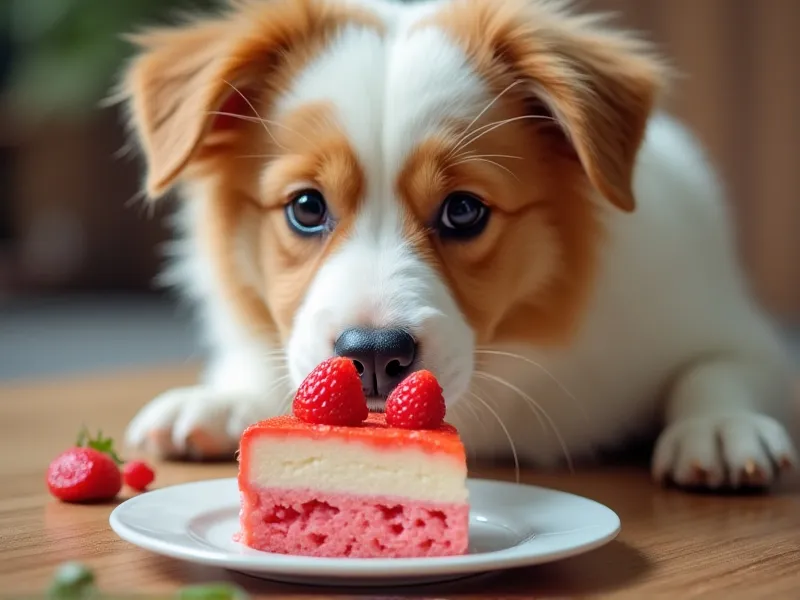
Table of Contents
- Is Strawberry Cake Safe for Dogs? The Short Answer
- The Good News: Benefits of Strawberries for Dogs
- The Risks: Why Strawberry Cake Can Be Harmful
- How Much Strawberry Cake Can Dogs Eat? Guidelines for Pet Parents
- Healthier Alternatives: Dog-Friendly Strawberry Treats
- FAQ: Your Strawberry Cake Questions Answered
- Conclusion: Celebrate Safely with Your Furry Friend
- References
Is Strawberry Cake Safe for Dogs? The Short Answer
Yes, but only in tiny, occasional amounts—and with major caveats.
Strawberries themselves are dog-safe and even nutritious. But the “cake” part is where trouble starts. Most store-bought or homemade cakes contain ingredients that are unhealthy (or even toxic) for dogs, like sugar, dairy, artificial sweeteners, or frosting.
Think of it this way: A plain, unsweetened strawberry is a great snack. But when you mix it into a cake with sugar, butter, and frosting, it becomes a high-calorie, high-risk treat. So, while a small bite of plain strawberry cake (without toxic ingredients) might not hurt your dog, it’s far from ideal.
The Good News: Benefits of Strawberries for Dogs
Before we focus on the risks of cake, let’s celebrate the star of the show: strawberries! These ruby-red fruits are a nutritional powerhouse for dogs when served plain (no sugar, no additives). Here’s why they’re worth sharing (in moderation):
1. Packed with Vitamins & Antioxidants
Strawberries are rich in vitamin C, an antioxidant that supports your dog’s immune system, helps fight inflammation, and promotes healthy skin and coat. Unlike humans, dogs can produce their own vitamin C, but extra from food can still boost their defenses (especially helpful for senior dogs or those with chronic conditions).
They also contain ellagic acid, an antioxidant that may help protect cells from damage and reduce the risk of certain diseases, according to the American Kennel Club (AKC).
2. Fiber for Digestive Health
A single strawberry has about 1 gram of dietary fiber, which aids digestion by keeping things moving in your dog’s gut. Fiber can also help regulate blood sugar and keep your dog feeling full, which is great for weight management.
3. Potassium for Heart & Muscle Health
Strawberries are a good source of potassium, a mineral that supports heart function, muscle contraction, and fluid balance. Potassium is essential for dogs, as it helps maintain healthy blood pressure and prevents muscle weakness.
4. Low-Calorie & Hydrating
At just 49 calories per cup (sliced), strawberries are a low-calorie treat—perfect for dogs watching their weight. They’re also 91% water, making them a hydrating snack on hot days (try freezing them for a cool, crunchy treat!).
The Risks: Why Strawberry Cake Can Be Harmful
Now, let’s talk about the “cake” part. Even if a cake is “strawberry-flavored,” the ingredients that make it delicious for humans can spell trouble for dogs. Here are the biggest risks:
1. Sugar: A Recipe for Obesity & Disease
Most cakes are loaded with added sugar, which dogs have no nutritional need for. Too much sugar can lead to:
- Obesity: Extra calories from sugar quickly add up, increasing the risk of joint pain, diabetes, and heart disease.
- Dental issues: Sugar feeds harmful bacteria in your dog’s mouth, leading to cavities and gum disease.
- Diabetes: Chronic sugar intake can disrupt insulin production, raising the risk of canine diabetes (a serious, lifelong condition).
The Cornell University College of Veterinary Medicine notes that obesity is a major risk factor for diabetes in pets, and sugar is a key contributor to weight gain.
2. Dairy: Lactose Intolerance in Dogs
Many cakes contain milk, butter, or cream—all dairy products. Most adult dogs are lactose intolerant, meaning they lack the enzyme (lactase) needed to digest lactose (the sugar in milk). This can lead to:
- Stomach upset (gas, bloating, diarrhea)
- Nausea or vomiting
- Abdominal pain
Even if your dog seems “fine” with small amounts of dairy, frequent exposure can cause chronic digestive issues.
3. Artificial Sweeteners: Xylitol Is Toxic
Some low-sugar or “sugar-free” cakes use xylitol, an artificial sweetener that’s extremely toxic to dogs. Even a tiny amount (as little as 0.1 grams per pound of body weight) can cause a rapid insulin release, leading to life-threatening hypoglycemia (low blood sugar), seizures, liver failure, or death.
Always check labels! Xylitol is often hidden in “sugar-free” frostings, baked goods, and even some peanut butters. If your cake contains xylitol, keep it far away from your dog.
4. Frosting & Decorations: High Risk, Low Reward
Frosting is usually the sugariest part of the cake, but it can also contain other dangers:
- Chocolate: Chocolate frosting (even a small amount) contains theobromine, which is toxic to dogs and can cause vomiting, seizures, or death.
- Nuts: Walnuts, macadamia nuts, or almonds (common in “gourmet” cakes) are toxic or choking hazards. Macadamia nuts, for example, can cause weakness, vomiting, and hyperthermia in dogs.
- Sprinkles or hard decorations: Small, hard sprinkles or candy can pose choking risks, especially for small dogs.
5. Choking Hazards
Large chunks of cake, thick frosting, or decorations like whole strawberries (with green tops) can get stuck in your dog’s throat, causing choking. Always cut treats into bite-sized pieces and avoid hard or round decorations.
How Much Strawberry Cake Can Dogs Eat? Guidelines for Pet Parents
If you’re set on sharing a tiny bite of strawberry cake (e.g., at a birthday party), follow these rules to minimize risk:
1. Check the Ingredients First
- Avoid cakes with: Xylitol, chocolate, nuts, artificial colors/flavors, or excessive sugar.
- Opt for: A plain slice with minimal frosting, no added sweeteners, and no toxic mix-ins (e.g., raisins, which are toxic to dogs).
2. Keep Portions Tiny
A “treat” for a dog should be no more than 10% of their daily calories. For reference:
- Small dogs (5–20 lbs): 1–2 tiny bites (about the size of a dime).
- Medium dogs (20–50 lbs): A bite the size of a quarter.
- Large dogs (50+ lbs): A small cube (no bigger than a sugar cube).
Even this is pushing it—remember, cake offers no nutritional value, only empty calories.
3. Consider Your Dog’s Health
Skip the cake entirely if your dog has:
- Diabetes, obesity, or pancreatitis (high-fat, high-sugar foods can trigger flare-ups).
- Lactose intolerance (signs include diarrhea after dairy).
- Food allergies (common in dogs with itchy skin or chronic ear infections).
4. Monitor for Reactions
After sharing a bite, watch for signs of discomfort:
- Vomiting or diarrhea
- Lethargy or weakness
- Excessive thirst/urination (signs of high sugar)
- Pawing at the mouth (choking)
If you notice any of these, contact your vet immediately.
Healthier Alternatives: Dog-Friendly Strawberry Treats
Instead of risky cake, treat your dog to these safe, delicious strawberry-based snacks. They’re easy to make and packed with nutrition!
1. Frozen Strawberry Bites
Ingredients: Fresh strawberries (washed, hulled).
How to make: Slice strawberries into small pieces, place on a tray, and freeze for 2–3 hours. Serve as a cool, crunchy snack—perfect for summer!
2. Yogurt & Strawberry Pupsicles
Ingredients: Unsweetened plain Greek yogurt (lactose-free, if needed) and mashed strawberries.
How to make: Mix ½ cup yogurt with ¼ cup mashed strawberries. Pour into ice cube trays and freeze. Great for hot days or teething puppies!
3. Homemade Strawberry Oat Cookies
Ingredients: 1 cup rolled oats, ½ cup mashed strawberries, 1 egg (binds the dough), 1 tbsp peanut butter (xylitol-free!).
How to make: Preheat oven to 350°F (175°C). Mix all ingredients into a dough, roll into small balls, and flatten on a baking sheet. Bake for 15–20 minutes. Let cool before serving. Store in the fridge for up to 5 days.
FAQ: Your Strawberry Cake Questions Answered
Q: Can puppies eat strawberry cake?
A: Puppies have sensitive tummies and are still developing their digestive systems. Skip the cake—opt for plain, mashed strawberries instead (1–2 small pieces for a puppy under 6 months).
Q: My dog stole a whole slice of strawberry cake! What should I do?
A: Don’t panic, but monitor them closely. If the cake contained xylitol, chocolate, or nuts, call your vet immediately (these can be life-threatening). For plain cake, watch for vomiting, diarrhea, or lethargy. Offer water to prevent dehydration, and contact your vet if symptoms last more than 24 hours.
Q: Is strawberry frosting safe for dogs?
A: No. Frosting is high in sugar, dairy, and often contains artificial ingredients. Even “strawberry-flavored” frosting is loaded with sugar—stick to plain strawberries instead.
Q: Can dogs eat strawberry shortcake?
A: Strawberry shortcake includes cake, whipped cream (dairy), and strawberries. The cake and cream pose the same risks as regular cake (sugar, lactose intolerance). Share a plain strawberry instead!
Conclusion: Celebrate Safely with Your Furry Friend
Strawberries are a wonderful, healthy treat for dogs—but strawberry cake? Not so much. While a tiny bite of plain cake (without toxic ingredients) might not harm your pup, it’s far from a nutritious choice. The sugar, dairy, and other additives in cake can lead to long-term health issues, from obesity to diabetes.
Instead of sharing cake, opt for fresh strawberries, frozen treats, or homemade dog-safe snacks. Your dog will love the flavor, and you’ll love knowing you’re keeping them healthy.
Remember: When in doubt, always check with your vet before introducing new foods. They know your dog’s unique health needs and can help you make the best choices.
Here’s to many happy, healthy celebrations with your furry friend—strawberries included!
References
- American Kennel Club (AKC). (2023). Can Dogs Eat Strawberries? https://www.akc.org/expert-advice/nutrition/can-dogs-eat-strawberries/
- Cornell University College of Veterinary Medicine. (2022). Diabetes Mellitus in Dogs. https://www.vet.cornell.edu/departments-centers-and-institutes/cornell-feline-health-center/health-information/feline-health-topics/diabetes-mellitus-cats
- ASPCA Animal Poison Control Center. (2023). Xylitol Toxicity in Dogs. https://www.aspca.org/pet-care/animal-poison-control/toxic-and-non-toxic-plants/xylitol
- Tufts University Cummings School of Veterinary Medicine. (2021). Lactose Intolerance in Dogs. https://vetnutrition.tufts.edu/2019/08/can-dogs-drink-milk/
- PetMD. (2023). Can Dogs Eat Nuts? Which Are Safe, Which Are Toxic. https://www.petmd.com/dog/nutrition/can-dogs-eat-nuts