· 8 min read
Can Dogs Eat Strawberry Tops? What Pet Parents Need to Know
It’s a bright, sunny day, and you’re savoring a bowl of juicy, ripe strawberries. Across the room, your dog sits, tail thumping against the floor, those irresistible puppy eyes locked on your snack. You can’t resist—you toss them a strawberry. But as it lands, you notice the green, leafy top is still attached. Panic sets in: Is that safe? Can dogs eat strawberry tops?
If you’ve ever found yourself in this scenario, you’re not alone. As pet parents, we want to share the best parts of life with our furry friends, but it’s crucial to know what’s safe (and what’s not) before offering them human foods. In this guide, we’ll dive into the question of strawberry tops, exploring whether they’re toxic, the potential risks, and how to keep your dog happy and healthy while sharing treats.
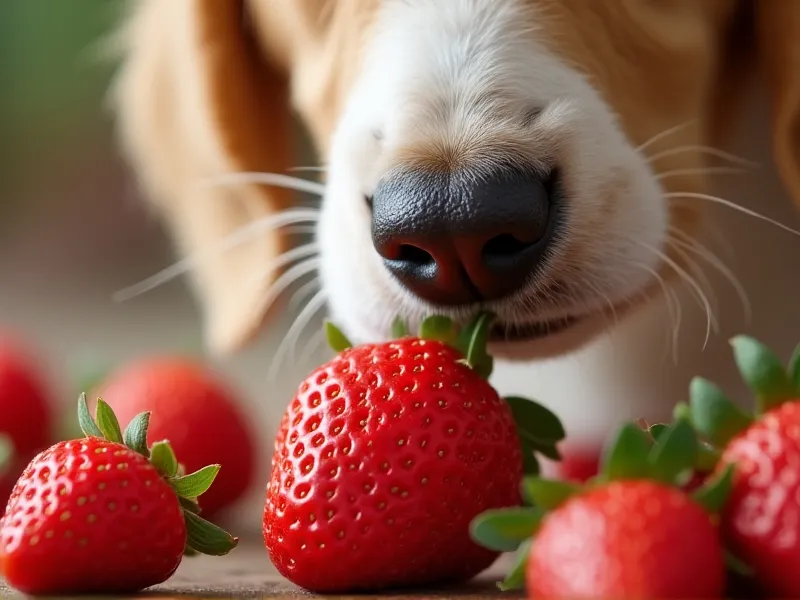
Table of Contents
- Can Dogs Eat Strawberry Tops? The Short Answer
- What Are Strawberry Tops, Anyway?
- Potential Benefits of Strawberry Tops (Spoiler: There Aren’t Many)
- The Risks: Why Strawberry Tops Might Be Harmful to Dogs
- Safe Feeding Guidelines: How to Handle Strawberries for Dogs
- Healthier Alternatives to Strawberry Tops
- FAQ: Your Strawberry Top Questions Answered
- Conclusion: Prioritize Safety, Enjoy the Flesh!
Can Dogs Eat Strawberry Tops? The Short Answer
Let’s cut to the chase: Strawberry tops are not toxic to dogs, but they’re far from ideal. While a single, accidental nibble of a strawberry top is unlikely to harm your pup, intentionally feeding them the green, leafy part comes with risks—including choking, digestive upset, and exposure to pesticides. For most dogs, it’s best to remove the tops before sharing strawberries.
What Are Strawberry Tops, Anyway?
Before we dive into the “can they eat it” debate, let’s clarify what we’re talking about. The “top” of a strawberry (also called the “calyx”) is the green, leafy crown that sits at the stem end of the fruit. It’s made up of small, thin leaves and a tiny, fibrous core that connects to the stem. While it’s technically edible for humans (some even use it in smoothies or herbal teas), its texture—stringy, slightly bitter, and small in size—makes it a less-than-ideal snack for dogs.
Potential Benefits of Strawberry Tops (Spoiler: There Aren’t Many)
When it comes to nutritional benefits, strawberry tops are a bit of a dud for dogs. Unlike the sweet, fleshy part of the strawberry (which is packed with vitamins and fiber), the tops offer little in terms of nutrition. Here’s why:
Minimal Nutritional Value
Strawberry tops contain trace amounts of fiber and possibly some antioxidants, but not enough to make them a meaningful addition to your dog’s diet. Your pup would need to eat an impractical amount of tops to see any benefit—and by then, the risks would far outweigh the rewards.
The Flesh Is Where the Good Stuff Is
If you want to share strawberries with your dog, focus on the flesh! Strawberries are low in calories, high in vitamin C (supports immune health), fiber (aids digestion), and potassium (helps regulate blood pressure). They even contain an enzyme called malic acid, which some studies suggest may help whiten dogs’ teeth (though it’s no substitute for regular brushing!).
So, while the tops don’t offer much, the strawberry itself can be a healthy, occasional treat—when prepared safely.
The Risks: Why Strawberry Tops Might Be Harmful to Dogs
Even though strawberry tops aren’t toxic, they pose several risks that make them unsafe for intentional feeding. Let’s break them down:
1. Choking Hazard
The biggest risk of strawberry tops is choking. The small, leafy crowns are lightweight and can easily get caught in your dog’s throat, especially if they gulp their food. Small dogs, puppies, and brachycephalic breeds (like pugs or bulldogs, who have shorter airways) are particularly vulnerable.
Signs of choking in dogs include:
- Pawing at the mouth
- Gagging or retching
- Difficulty breathing
- Bluish gums (a sign of oxygen deprivation)
If you suspect your dog is choking, act fast: Perform the Heimlich maneuver for dogs (consult your vet for guidance on how to do this safely) and contact emergency veterinary care immediately.
2. Pesticide Exposure
Strawberries are consistently ranked high on the EWG’s “Dirty Dozen” list—a yearly report highlighting fruits and vegetables with the highest pesticide residues. The leafy tops, in particular, tend to trap more pesticides than the flesh, even after washing.
Pesticide exposure can lead to:
- Nausea or vomiting
- Diarrhea
- Lethargy
- In severe cases, organ damage (though this is rare with small amounts)
While organic strawberries have fewer pesticides, they’re not entirely residue-free. Washing can reduce but not eliminate pesticides, making the tops a risky choice.
3. Digestive Upset
Dogs have sensitive digestive systems, and large amounts of plant matter (like strawberry tops) can disrupt their gut balance. The fiber in the tops is tough and indigestible for some dogs, leading to:
- Diarrhea
- Stomach cramps
- Gas
- Vomiting
Puppies and dogs with sensitive stomachs (e.g., those with inflammatory bowel disease) are even more prone to these issues.
4. Intestinal Blockage (In Rare Cases)
In very rare instances, if a dog eats a large number of strawberry tops (or swallows them whole), the fibrous material could clump together and cause an intestinal blockage. Symptoms of a blockage include:
- Loss of appetite
- Abdominal pain (your dog may whine or resist being touched)
- Constipation or inability to pass stool
- Lethargy
Intestinal blockages are life-threatening and require immediate surgery, so it’s best to avoid this risk altogether.
Safe Feeding Guidelines: What to Do If Your Dog Eats a Strawberry Top
Accidents happen! If your dog snags a strawberry top before you can remove it, here’s what to do:
Stay Calm
A single strawberry top is unlikely to cause serious harm. Monitor your dog for the next 24 hours for signs of choking, vomiting, diarrhea, or lethargy.
Remove Tops Before Feeding
To prevent accidents, always remove the green tops before offering strawberries to your dog. It’s easy: Simply twist the top off with your fingers or use a small knife to cut it away.
Wash Thoroughly
Even with the top removed, wash the strawberry under cold, running water to remove any remaining pesticide residue or dirt.
Serve in Moderation
Strawberries are high in natural sugar (about 4 grams per medium berry), so too many can lead to weight gain or diabetes. A good rule of thumb: Limit strawberries to 1–2 small berries per day for small dogs, 3–4 for medium dogs, and 5–6 for large dogs (as an occasional treat, not a meal replacement).
Healthier Alternatives to Strawberry Tops
If you want to share fruits with your dog, skip the tops and opt for these safe, nutritious alternatives instead:
1. Strawberry Flesh (Without the Top!)
As we mentioned, the fleshy part of the strawberry is packed with vitamins, fiber, and antioxidants. Just remove the top, wash, and slice into bite-sized pieces. It’s a low-calorie, refreshing treat—perfect for hot days!
2. Blueberries
Blueberries are a superfood for dogs! They’re rich in antioxidants (like resveratrol), vitamin C, and fiber, and their small size makes them easy to digest. Plus, they’re low in sugar—great for dogs watching their waistlines.
3. Apples (Without Seeds or Core)
Apples are a crunchy, fiber-rich snack that most dogs love. Just remove the seeds (which contain trace amounts of cyanide) and core, then slice into wedges. The skin is safe and adds extra fiber!
4. Bananas
Bananas are high in potassium, vitamin B6, and fiber, making them a great energy boost for active dogs. Serve small slices (they’re high in sugar, so limit to 1–2 bites per day).
5. Watermelon (Seedless)
Watermelon is 92% water, making it a hydrating treat for summer. Remove the rind (it’s tough to digest) and seeds, then freeze cubes for a cool snack.
FAQ: Your Strawberry Top Questions Answered
Q: Are strawberry leaves toxic to dogs?
A: No, strawberry leaves (the tops) are not toxic. However, they pose choking and digestive risks, so they’re not recommended.
Q: My dog ate a whole strawberry with the top—should I take them to the vet?
A: If your dog is acting normal (eating, drinking, playing), monitor them for 24 hours. If they show signs of choking, vomiting, or lethargy, contact your vet.
Q: Can puppies eat strawberry tops?
A: Puppies have smaller airways and more sensitive digestive systems, so strawberry tops are even riskier for them. Always remove tops and limit treats to small, age-appropriate portions.
Q: Are organic strawberry tops safer?
A: Organic tops may have fewer pesticides, but they still pose choking and digestive risks. It’s better to remove them regardless of whether the strawberry is organic.
Q: What other fruits have “tops” I should avoid feeding my dog?
A: Avoid the tops/crowns of raspberries, blackberries, and cherries (cherry pits are toxic!). Stick to the fleshy parts of these fruits, and always remove pits, seeds, or tough stems.
Conclusion: Prioritize Safety, Enjoy the Flesh!
So, can dogs eat strawberry tops? While they’re not toxic, the risks—choking, pesticides, and digestive upset—make them a poor choice for intentional feeding. The good news? You can still share the sweet, juicy flesh of the strawberry with your dog (in moderation, of course!).
Remember: When it comes to feeding your dog human foods, erring on the side of caution is always best. If you’re unsure about a new food, consult your vet—they can provide personalized advice based on your dog’s age, size, and health.
Here’s to many happy, safe snacking moments with your furry friend—minus the strawberry tops!
References
- American Society for the Prevention of Cruelty to Animals (ASPCA). (n.d.). “People Foods to Avoid Feeding Your Pets”.
- Environmental Working Group (EWG). (2024). “EWG’s Dirty Dozen™”.
- PetMD. (2023). “Can Dogs Eat Strawberries?”.
- American Kennel Club (AKC). (2023). “Fruits Dogs Can and Can’t Eat”.