· 7 min read
Can Dogs Eat Stove Top Stuffing? The Surprising Risks Every Pet Parent Should Know
It’s that time of year again: the kitchen smells like roasted turkey, cinnamon, and warm bread. Your dog, tail thumping against the cabinets, stares up at you with those big, pleading eyes—begging for a taste of whatever’s in that steaming bowl of stuffing. As a pet parent, you want to share the joy of the season, but you pause. Is that Stove Top Stuffing safe for your pup?
Stove Top Stuffing, a holiday staple in many homes, is quick, flavorful, and comforting. But when it comes to our furry friends, “flavorful” often translates to “risky.” In this post, we’ll dive into whether dogs can safely eat Stove Top Stuffing, break down the potential benefits (spoiler: there aren’t many), outline the very real risks, and share healthier alternatives to keep your dog happy and healthy this holiday season.
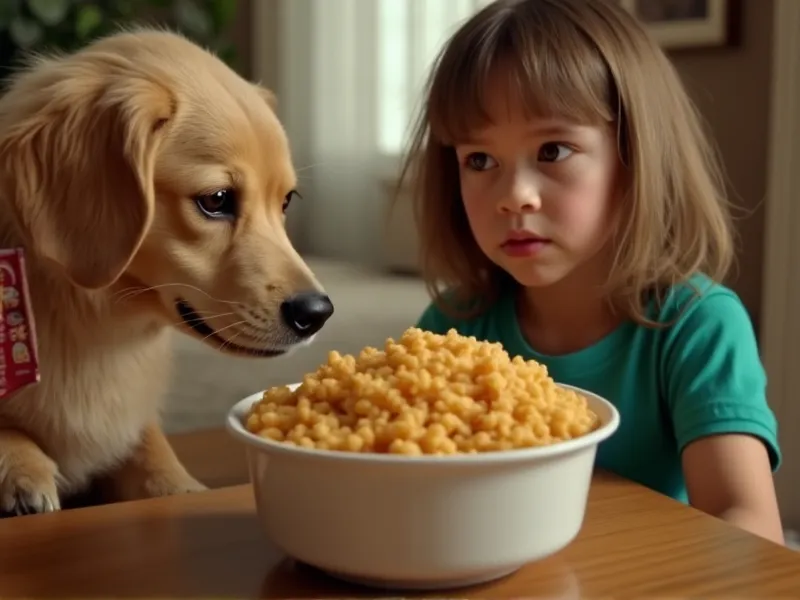
Table of Contents
- Can Dogs Eat Stove Top Stuffing? The Short Answer
- What’s in Stove Top Stuffing, Anyway?
- Potential “Benefits”: Are There Any?
- The Risks: Why Stove Top Stuffing Is Dangerous for Dogs
- Onion & Garlic: Hidden Toxins
- High Sodium: A Recipe for Disaster
- Sugar & Empty Calories
- Choking Hazards & Additives
- How Much Stove Top Stuffing Is Safe for Dogs?
- Healthier Alternatives to Stove Top Stuffing
- FAQ: Your Burning Questions Answered
- Conclusion: Prioritize Your Dog’s Health This Holiday
Can Dogs Eat Stove Top Stuffing? The Short Answer
No, dogs should not eat Stove Top Stuffing—at least not the store-bought, boxed version. While a tiny, accidental bite might not harm your dog, the ingredients in most Stove Top mixes (like onion powder, garlic powder, and high sodium) make it unsafe for regular or intentional feeding.
The key here is ingredients. Let’s unpack what’s actually in that box to understand why it’s a no-go for your pup.
What’s in Stove Top Stuffing, Anyway?
To understand the risks, let’s look at the label of a typical Stove Top Stuffing mix (we’ll use the classic “Chicken Flavor” as an example):
- Enriched wheat flour (bread crumbs)
- Onion powder
- Salt (often 300–400mg per serving)
- Garlic powder
- Sugar (added for flavor)
- Artificial flavors
- Preservatives (like BHT)
- Spices (some safe, some not)
- Monosodium glutamate (MSG) (in some varieties)
At first glance, bread crumbs seem harmless—but the added ingredients are where the danger lies. Onion and garlic powder, in particular, are toxic to dogs. Let’s break down the potential “benefits” (if any) and the very real risks.
Potential “Benefits”: Are There Any?
It’s important to set expectations: Stove Top Stuffing offers almost no nutritional value for dogs. That said, if we stretch the definition of “benefit,” here’s what might be considered:
- Minimal fiber: The bread crumbs in stuffing contain small amounts of dietary fiber, which can aid digestion in dogs. However, dogs get plenty of fiber from their regular, balanced dog food—so this isn’t a reason to feed stuffing.
- B vitamins: Whole-grain bread crumbs might contain trace amounts of B vitamins (like thiamine or niacin). But again, your dog’s commercial food is formulated to meet all their B vitamin needs.
In short: There’s no compelling reason to feed your dog Stove Top Stuffing. The risks far outweigh these negligible “benefits.”
The Risks: Why Stove Top Stuffing Is Dangerous for Dogs
Now, let’s get to the serious stuff: the risks of feeding Stove Top Stuffing to your dog. These are not just minor inconveniences—some can be life-threatening.
1. Onion & Garlic Powder: Toxic to Dogs
Onions and garlic (whether raw, cooked, or powdered) are toxic to dogs because they contain N-propyl disulfide, a compound that damages red blood cells, leading to a condition called hemolytic anemia. This can cause symptoms like:
- Lethargy
- Weakness
- Pale gums
- Rapid breathing
- Dark, urine (from broken-down red blood cells)
Even small amounts of onion or garlic powder can be harmful. A single serving of Stove Top Stuffing contains enough onion powder to cause issues in small dogs (e.g., a 10-pound Chihuahua). Larger dogs may tolerate more, but there’s no “safe” threshold—any exposure increases risk.
2. High Sodium: A Recipe for Sodium Ion Poisoning
Stove Top Stuffing is loaded with salt. A 1/2-cup serving can contain 300–400mg of sodium—that’s nearly 15% of the daily recommended sodium intake for a 50-pound dog (who should consume no more than 200–300mg of sodium per day).
Excess sodium causes sodium ion poisoning, which leads to:
- Extreme thirst
- Vomiting
- Diarrhea
- Tremors
- Seizures
- In severe cases, coma or death
Dogs with pre-existing conditions like kidney disease or heart disease are even more vulnerable to salt toxicity.
3. Sugar: A Slippery Slope to Obesity & Diabetes
Many Stove Top varieties contain added sugar to enhance flavor. While a tiny bit of sugar won’t hurt your dog, regular exposure can lead to:
- Weight gain/obesity
- Insulin resistance (increasing diabetes risk)
- Dental decay
Dogs have no biological need for added sugar, and it offers zero nutritional benefit.
4. Choking Hazards & Additives
Stove Top Stuffing often includes dried bread cubes, which can be hard and dry—posing a choking risk, especially for small dogs or those who gulp their food. Some varieties also add nuts (like walnuts or pecans), which are choking hazards and may contain aflatoxins (toxins from mold) in raw form.
Artificial flavors, preservatives (like BHT), and MSG (in some mixes) can also irritate your dog’s digestive system, leading to vomiting or diarrhea.
How Much Stove Top Stuffing Is Safe for Dogs?
None. Even a small amount of store-bought Stove Top Stuffing contains onion/garlic powder and high sodium, which are risky. If your dog snatches a tiny crumb off the floor, monitor them for 24 hours for symptoms (lethargy, vomiting, diarrhea). But never intentionally feed them stuffing.
If you’re dead set on sharing a “stuffing-like” treat, consider a homemade, dog-safe version with:
- Plain, cooked bread crumbs (no salt, sugar, or spices)
- A splash of low-sodium chicken broth (no onions/garlic)
- A sprinkle of pumpkin puree (for fiber)
Even then, this should be a one-time, tiny treat (no more than a teaspoon for small dogs, a tablespoon for large dogs). Remember: Dogs don’t need human food to be happy—their regular diet is balanced for their needs.
Healthier Alternatives to Stove Top Stuffing
Instead of risking stuffing, treat your dog to these safe, delicious alternatives this holiday season:
- Plain cooked sweet potato: Rich in fiber, vitamins A and C, and antioxidants.
- Pumpkin puree (unsweetened): Soothes digestion and adds fiber.
- Green beans (steamed or raw): Low-calorie, high-fiber, and crunchy.
- Plain cooked chicken (no bones, skin, or seasoning): A protein-packed favorite.
- Oatmeal (cooked with water): Gentle on the stomach and full of B vitamins.
These options are not only safe but also provide real nutritional value for your dog.
FAQ: Your Burning Questions Answered
Q: My dog ate a spoonful of Stove Top Stuffing—should I panic?
A: Panic won’t help, but monitor them closely. Small dogs (under 20 pounds) are more at risk of onion/garlic toxicity or sodium poisoning. Watch for symptoms like lethargy, vomiting, diarrhea, or pale gums. If you notice any, call your vet immediately.
Q: Is homemade stuffing safer than Stove Top?
A: It can be, but only if you avoid onions, garlic, salt, sugar, and spices. Even then, it’s unnecessary—dogs don’t need stuffing. Stick to their regular food and safe treats instead.
Q: Can puppies eat Stove Top Stuffing?
A: No. Puppies have smaller bodies and developing organs, making them more sensitive to toxins like onion powder and high sodium. Even a tiny bite could cause serious issues.
Q: What if my dog loves stuffing—can I give them a “dog-safe” brand?
A: There’s no such thing as “dog-safe” Stove Top Stuffing. Some pet brands sell “doggy stuffing” treats, but these are often high in calories and unnecessary. Stick to whole foods like sweet potato or pumpkin instead.
Conclusion: Prioritize Your Dog’s Health This Holiday
The holidays are about sharing joy—but when it comes to your dog, “sharing” should mean snuggles, playtime, and safe treats, not risky human food like Stove Top Stuffing. The boxed mix is loaded with onion/garlic powder, salt, and sugar—all of which can harm your pup.
Instead of giving in to those puppy eyes, opt for a safe alternative like a bite of cooked sweet potato or plain chicken. Your dog will love the attention, and you’ll have peace of mind knowing you’re keeping them healthy.
If you ever have questions about human food and dogs, consult your vet. They know your dog’s unique health needs and can guide you on safe treats.
Here’s to a happy, healthy holiday season for you and your furry friend!
References
- American Society for the Prevention of Cruelty to Animals (ASPCA). “People Foods to Avoid Feeding Your Pets.” aspca.org/pet-care/animal-poison-control/people-foods-avoid-feeding-your-pets
- American Kennel Club (AKC). “Onions, Garlic, Chives: Are They Toxic to Dogs?” akc.org/expert-advice/health/are-onions-bad-for-dogs
- PetMD. “Sodium Ion Poisoning in Dogs.” petmd.com/dog/conditions/toxicity/sodium-ion-poisoning-dogs
- VCA Hospitals. “Foods Toxic to Dogs.” vcahospitals.com/know-your-pet/foods-toxic-to-dogs