· 7 min read
Can Dogs Eat Steelhead Trout? A Pet Parent’s Guide to Safe Feeding
You’re searing a fresh steelhead trout fillet in the pan, the scent of butter and lemon filling the kitchen. Your dog, Max, is at your feet, tail thumping so hard his whole body wiggles. Those big, soulful eyes lock onto your plate, and you pause: Is this fish safe for him? As a pet parent, you want to share the good things in life with your pup—but not at the risk of their health. Let’s dive into the details: Can dogs eat steelhead trout, and if so, how to do it safely?
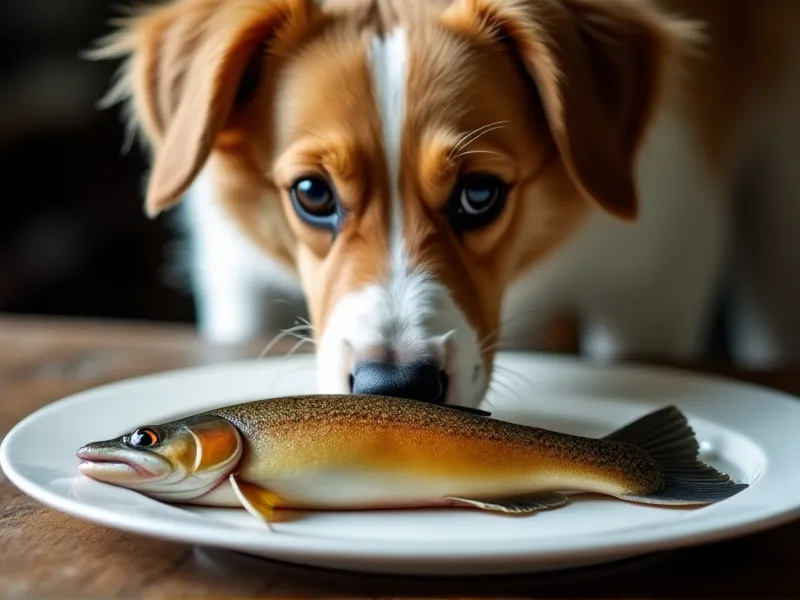
Table of Contents
- Can Dogs Eat Steelhead Trout? The Short Answer
- The Benefits of Steelhead Trout for Dogs
- Risks to Watch For: What Makes Trout Unsafe?
- How Much Steelhead Trout Can Dogs Eat? Guidelines for Safe Feeding
- Healthier Alternatives to Steelhead Trout
- Frequently Asked Questions (FAQ)
- Conclusion: Moderation is Key
- References
Can Dogs Eat Steelhead Trout? The Short Answer
Yes, dogs can eat steelhead trout—but only when prepared safely.
Steelhead trout is a nutrient-dense fish that, when cooked, deboned, and served plain, can be a healthy occasional treat for most dogs. It’s packed with omega-3 fatty acids, protein, and essential vitamins—nutrients that support your pup’s skin, coat, heart, and overall health. However, raw trout, bones, or trout seasoned with garlic, onions, or salt can pose serious risks, from choking to toxicity.
Let’s break down the benefits and risks to help you decide if steelhead trout has a place in your dog’s bowl.
The Benefits of Steelhead Trout for Dogs
Steelhead trout isn’t just a tasty fish for humans—it’s a nutritional powerhouse for dogs, too. Here’s why it might be worth adding to your pup’s treat rotation (in moderation, of course!):
1. Rich in Omega-3 Fatty Acids (EPA & DHA)
Steelhead trout is loaded with omega-3 fatty acids, specifically eicosapentaenoic acid (EPA) and docosahexaenoic acid (DHA). These healthy fats are superheroes for your dog’s body:
- Skin & Coat Health: Omega-3s reduce inflammation, which can ease dry, itchy skin and make your dog’s coat shinier and softer. They’re especially helpful for pups with allergies or dermatitis.
- Joint Support: EPA and DHA may减轻 joint pain and stiffness, making them a great addition to the diet of senior dogs or those with arthritis.
- Heart Health: Studies show omega-3s can lower triglycerides and support healthy heart rhythms in dogs, reducing the risk of cardiovascular issues.
2. High-Quality Protein for Muscle Health
Protein is the building block of your dog’s muscles, organs, and immune system—and steelhead trout delivers it in spades. Unlike some plant-based proteins, fish protein is “complete,” meaning it contains all the essential amino acids your dog needs to thrive. This makes it an excellent occasional alternative to chicken or beef, especially for dogs with meat allergies.
3. Essential Vitamins & Minerals
Steelhead trout is a natural source of key nutrients that keep your dog’s body running smoothly:
- Vitamin D: Critical for bone health, as it helps absorb calcium. Many dogs (especially indoor pups) are deficient in vitamin D, so a little trout can give them a boost.
- Vitamin B12: Supports nerve function and red blood cell production, keeping your dog energetic and alert.
- Selenium: An antioxidant that protects cells from damage and supports thyroid health.
- Potassium: Regulates fluid balance, muscle contractions, and heart rate—important for overall organ function.
Risks to Watch For: What Makes Trout Unsafe?
While steelhead trout has benefits, it’s not without risks. Here’s what to avoid to keep your pup safe:
1. Bones: A Choking and Internal Hazard
Trout bones—even small ones—are sharp and can easily get stuck in your dog’s throat, causing choking. If swallowed, they may perforate the esophagus, stomach, or intestines, leading to infection or internal bleeding. Always remove all bones before feeding trout to your dog. Even “boneless” fillets can have tiny, hidden bones, so inspect carefully!
2. Raw Trout: Parasites and Bacteria
Feeding raw steelhead trout is risky. Raw fish can contain parasites like Nanophyetus salmincola (a fluke that causes “salmon poisoning” in dogs) or bacteria like Salmonella or E. coli. Salmon poisoning, in particular, is serious: symptoms include fever, vomiting, diarrhea, and lethargy, and can be fatal if untreated. Cook trout thoroughly (to an internal temperature of 145°F/63°C) to kill parasites and bacteria.
3. Seasonings and Additives
That garlic butter or lemon pepper you love on your trout? Toxic to dogs. Garlic and onions contain thiosulfate, which damages red blood cells and causes anemia. Salt can lead to sodium ion poisoning (symptoms: vomiting, diarrhea, seizures). Even “healthy” toppings like herbs or citrus can irritate your dog’s stomach. Serve trout plain—no seasoning, oil, or sauces.
4. Mercury and Overfeeding
Like most fish, steelhead trout contains trace amounts of mercury. While it’s lower in mercury than tuna or swordfish, long-term overfeeding could lead to mercury buildup, which harms the nervous system. Additionally, trout is moderately high in fat; too much can cause pancreatitis (a painful inflammation of the pancreas) in dogs, especially small breeds or those prone to the condition.
How Much Steelhead Trout Can Dogs Eat? Guidelines for Safe Feeding
If you want to share steelhead trout with your dog, follow these rules to keep portions safe:
1. Treat, Not a Meal
Trout should never replace your dog’s regular, balanced dog food. Instead, serve it as an occasional treat—no more than 10% of their daily calorie intake. For reference:
- Small dogs (under 20 lbs): 1–2 ounces of cooked, deboned trout per week.
- Medium dogs (20–50 lbs): 2–3 ounces per week.
- Large dogs (50+ lbs): 3–4 ounces per week.
2. Preparation Steps
- Cook it: Bake, boil, or steam trout until flaky. Avoid frying (too greasy).
- Debone it: Use tweezers to remove all bones—even tiny ones.
- Keep it plain: No salt, butter, garlic, or lemon.
3. Monitor for Allergies or Sensitivities
Some dogs may be allergic to fish. Introduce trout slowly: start with a tiny piece (1–2 bites) and watch for symptoms like itching, redness, ear infections, or diarrhea. If you see these, stop feeding trout and consult your vet.
Healthier Alternatives to Steelhead Trout
If steelhead trout isn’t available, or you want to mix up your dog’s treats, these options are just as nutritious (or safer!):
1. Salmon
Like steelhead, salmon is rich in omega-3s and protein. It’s often easier to find boneless fillets, and wild-caught salmon has lower mercury levels than farmed. Just cook it plain and deboned!
2. Sardines
Sardines are a “superfood” for dogs: low in mercury, high in omega-3s, and their tiny bones are soft enough to digest (when canned in water, not oil). They’re affordable and easy to portion—just drain and serve 1–2 sardines as a treat.
3. Cooked Chicken or Turkey
Lean, unseasoned chicken or turkey is a classic, low-risk protein. It’s gentle on sensitive stomachs and a great source of iron and B vitamins.
4. Whitefish (Cod, Haddock)
Whitefish like cod or haddock are low in fat and mercury, making them ideal for dogs with pancreatitis or weight issues. They’re mild-tasting, so even picky pups may enjoy them.
Frequently Asked Questions (FAQ)
Q: Can dogs eat raw steelhead trout?
A: No. Raw trout may contain parasites (like flukes) or bacteria that cause illness. Always cook trout to 145°F to kill pathogens.
Q: Is steelhead trout skin safe for dogs?
A: Yes, if cooked and plain. The skin is rich in omega-3s, but remove any scales and avoid seasoning. Some dogs may find skin hard to digest, so start with a small piece.
Q: How often can I feed my dog steelhead trout?
A: Once or twice a week, as a treat. Overfeeding can lead to weight gain or pancreatitis.
Q: My dog has kidney disease—can they eat trout?
A: Trout is moderate in phosphorus, which can strain kidneys. Ask your vet before feeding it to dogs with kidney issues.
Q: Can puppies eat steelhead trout?
A: Yes, in small amounts. Puppies need extra protein, but introduce trout slowly to avoid stomach upset.
Conclusion: Moderation is Key
Steelhead trout can be a healthy, tasty treat for your dog—when prepared safely. Its omega-3s, protein, and vitamins support skin, joints, and heart health, but bones, raw fish, and seasonings pose risks. Stick to cooked, deboned, plain trout, serve it occasionally, and always monitor for allergies.
As with any new food, consult your vet first—especially if your dog has health conditions like pancreatitis or allergies. With a little caution, you and your pup can enjoy the occasional trout treat together!