· 9 min read
Can Dogs Eat Splenda? What Pet Parents Need to Know About This Sugar Substitute
It’s a typical Tuesday evening. You’re baking low-sugar cookies, and your curious Beagle mix, Max, trots into the kitchen, tail wagging. Before you can react, he’s snuffled an open packet of Splenda off the counter and swallowed it whole. Cue the panic: Is Splenda toxic to dogs? Will Max get sick?
If you’ve ever found yourself in a similar situation, you’re not alone. As pet parents, we’re hyper-aware of what our dogs eat—from table scraps to the random crumbs they scavenge. But when it comes to sugar substitutes like Splenda, confusion abounds. After all, we use them to cut calories, but are they safe for our four-legged family members?
In this guide, we’ll answer the burning question: Can dogs eat Splenda? We’ll break down the facts, separate myths from reality, and give you the tools to keep your pup safe. Let’s dive in.
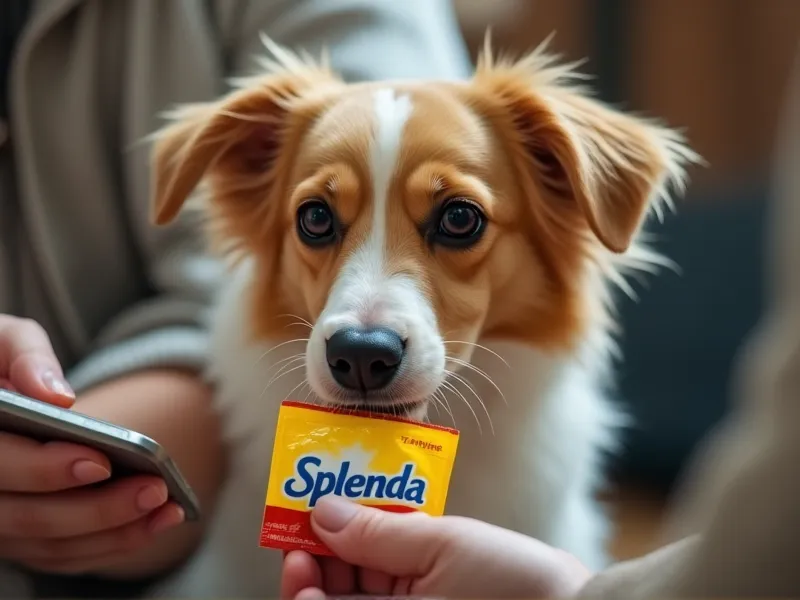
Table of Contents
- Can Dogs Eat Splenda? The Short Answer
- What Is Splenda, Anyway?
- Potential “Benefits” of Splenda for Dogs: Fact vs. Fiction
- The Risks of Splenda for Dogs: What Pet Parents Need to Know
- How Much Splenda Is Safe for Dogs? (If Any)
- Healthier Alternatives to Splenda for Dogs
- FAQ: Your Splenda Questions, Answered
- Conclusion: When in Doubt, Ask Your Vet
- References
Can Dogs Eat Splenda? The Short Answer
Let’s cut to the chase: Dogs should not eat Splenda, but it’s not considered highly toxic.
According to the ASPCA Animal Poison Control Center and the Pet Poison Helpline, Splenda’s main ingredient—sucralose—is not toxic to dogs in small amounts. Unlike xylitol (a sugar substitute found in gum, toothpaste, and some baked goods), which can cause life-threatening low blood sugar and liver failure in dogs, sucralose is generally non-toxic.
But “non-toxic” doesn’t mean “safe” or “healthy.” Splenda offers no nutritional value for dogs, and in large quantities, it can cause digestive upset. Plus, many Splenda products contain added ingredients (like dextrose or maltodextrin) that may pose additional risks.
In short: Accidentally ingesting a tiny amount of Splenda (e.g., a few granules off the floor) is unlikely to harm your dog. But intentionally feeding it to them, or letting them consume large quantities, is not recommended.
What Is Splenda, Anyway?
Before we dive deeper, let’s clarify what Splenda is. Splenda is a brand name for a popular artificial sweetener, and its primary active ingredient is sucralose.
Sucralose is made by modifying sugar molecules: three hydrogen-oxygen groups in sugar (sucrose) are replaced with chlorine atoms. This process makes sucralose 600 times sweeter than sugar but calorie-free (since the body doesn’t metabolize it for energy).
You’ll find Splenda in everything from coffee packets and diet sodas to “sugar-free” snacks, baked goods, and even some medications. Some Splenda products are pure sucralose (like Splenda Granulated), while others (like Splenda packets) mix sucralose with fillers like dextrose or maltodextrin to mimic the texture of sugar. These fillers are often simple carbohydrates (sugars) that add calories and can affect your dog’s digestion.
Potential “Benefits” of Splenda for Dogs: Fact vs. Fiction
You might be wondering: If Splenda is low-calorie, could it have any benefits for dogs? Let’s set the record straight.
The Claim: “Splenda Helps Dogs Lose Weight”
Humans use Splenda to cut calories and manage weight, but dogs don’t need this. A balanced dog food (formulated by a veterinary nutritionist) already provides the right mix of protein, fat, and carbs for your pup’s size, age, and activity level. Adding Splenda to their diet won’t help them lose weight—it will just add empty “sweetness” with no nutritional payoff.
The Claim: “Splenda Is Good for Diabetic Dogs”
Diabetic dogs require strict blood sugar management, but Splenda isn’t a solution. While sucralose itself doesn’t spike blood sugar, many Splenda products contain dextrose (a sugar) as a filler. For example, a single Splenda packet contains just 1 calorie, but that calorie comes from dextrose. Feeding multiple packets could add unnecessary sugar to your diabetic dog’s diet, complicating their condition.
The Bottom Line: No Real Benefits
Splenda was designed for humans, not dogs. Dogs don’t crave sweet flavors like we do (their taste buds are more attuned to meaty, savory flavors), and they have no biological need for artificial sweeteners. There’s simply no reason to include Splenda in their diet.
The Risks of Splenda for Dogs: What Pet Parents Need to Know
While Splenda isn’t toxic, it’s not risk-free. Here are the main concerns:
1. Digestive Upset
Sucralose itself is poorly absorbed by the body (in both humans and dogs), so most of it passes through the digestive tract unchanged. In large amounts, this can act as a laxative, leading to:
- Diarrhea
- Vomiting
- Gas or bloating
- Stomach cramps
This is especially true for small dogs or those with sensitive stomachs. For example, a 10-pound Yorkie who eats a handful of Splenda packets is far more likely to get sick than a 80-pound Great Dane.
2. Added Fillers: Dextrose and Maltodextrin
Many Splenda products (like the classic yellow packets) contain dextrose or maltodextrin to bulk them up. These are simple sugars that add calories and can cause problems in large quantities:
- Dextrose: A fast-acting sugar that can spike blood sugar levels, especially in diabetic dogs.
- Maltodextrin: A starchy filler that’s quickly broken down into glucose. In large amounts, it can cause weight gain or digestive upset.
If your dog eats a whole box of Splenda packets, they’re not just ingesting sucralose—they’re ingesting a lot of sugar, too.
3. Lack of Long-Term Research
Sucralose has been studied extensively in humans (and deemed safe by the FDA), but there’s limited research on its effects in dogs over time. We know it’s non-toxic in small doses, but we don’t know if regular consumption could lead to chronic issues like gut microbiome disruption or metabolic changes.
When in doubt, it’s best to avoid unnecessary additives—especially ones with little research behind them.
How Much Splenda Is Safe for Dogs? (If Any)
The short answer: There’s no “safe” amount to intentionally feed your dog. Since Splenda offers no nutritional value, there’s no reason to include it in their diet.
But accidents happen. If your dog snatches a Splenda packet or licks up a spill, here’s what to do:
-
A tiny amount (e.g., a few granules or a single packet): Monitor your dog for 24 hours. Most will show no symptoms. If they do develop diarrhea or vomiting, offer small sips of water and bland food (like boiled chicken and rice) to soothe their stomach.
-
A large amount (e.g., a whole box of packets or a bowl of Splenda-sweetened food): Contact your vet or the Pet Poison Helpline immediately. The fillers (dextrose/maltodextrin) could cause significant digestive upset, and in rare cases, electrolyte imbalances. Your vet may recommend inducing vomiting (if the ingestion was recent) or monitoring for symptoms like lethargy, loss of appetite, or severe diarrhea.
Remember: Every dog is different. A sensitive senior dog or a puppy may react more strongly to even small amounts of Splenda than a healthy adult dog. When in doubt, err on the side of caution and call your vet.
Healthier Alternatives to Splenda for Dogs
If you want to “sweeten” your dog’s treats (though they don’t need it!), skip the Splenda and opt for these dog-safe, natural alternatives:
1. Fresh Fruit (In Moderation)
Many fruits are low in calories, high in fiber, and packed with vitamins. Safe options include:
- Blueberries: Rich in antioxidants and fiber.
- Apples: Remove the seeds (they contain small amounts of cyanide) and core; apples are a great source of vitamin A and fiber.
- Bananas: High in potassium and vitamin B6 (feed sparingly—they’re high in sugar).
- Strawberries: Low in calories and high in vitamin C.
Note: Avoid grapes, raisins, cherries, and citrus fruits (they can cause kidney issues or stomach upset in dogs).
2. Small Amounts of Honey
Honey is a natural sweetener with antibacterial properties and trace vitamins. It’s safe for dogs in small doses (e.g., 1 teaspoon for a medium-sized dog, ½ teaspoon for small breeds). However:
- Avoid raw honey for puppies under 1 year (risk of botulism).
- Skip honey for diabetic dogs (it’s high in sugar).
3. Unsweetened Yogurt
Plain, unsweetened yogurt (Greek yogurt is a great choice) is rich in protein and probiotics, which support gut health. Some dogs love the tangy flavor, and it’s a healthier “treat” than sugar-sweetened snacks.
4. Carrots or Sweet Potatoes
Crunchy, naturally sweet, and packed with vitamins A and C, carrots and sweet potatoes make excellent low-calorie treats. Bake or steam them (no added sugar or butter!) for a chewy snack.
FAQ: Your Splenda Questions, Answered
Q: My dog ate a Splenda packet. Should I rush to the vet?
A: Probably not. A single packet contains minimal sucralose and a small amount of dextrose. Monitor your dog for diarrhea, vomiting, or lethargy for 24 hours. If symptoms persist or worsen, call your vet.
Q: Is Splenda more dangerous than sugar for dogs?
A: No—sugar is actually more harmful in the long run. Too much sugar can lead to obesity, diabetes, and dental disease in dogs. But Splenda isn’t “better”—it’s just “less bad” in small amounts. Both should be avoided.
Q: What’s the difference between Splenda and xylitol?
A: Huge difference! Xylitol is extremely toxic to dogs, even in small amounts. It triggers a rapid release of insulin, causing life-threatening low blood sugar (hypoglycemia) and liver failure. Splenda (sucralose) is not toxic, though it can cause digestive upset. Always check labels—xylitol is often in “sugar-free” gums, mints, and peanut butter.
Q: Can puppies eat Splenda?
A: Puppies have sensitive digestive systems, so even small amounts of Splenda could cause diarrhea or vomiting. It’s best to avoid all artificial sweeteners for puppies.
Q: My dog has diabetes. Is Splenda safer than sugar?
A: Not necessarily. Many Splenda products contain dextrose (a sugar), which can spike blood sugar. Even pure sucralose offers no benefit for diabetic dogs. Stick to your vet’s recommended diet for managing diabetes.
Conclusion: When in Doubt, Ask Your Vet
At the end of the day, Splenda isn’t a poison, but it’s also not a treat. Dogs thrive on a balanced diet of high-quality dog food, with occasional safe snacks like fruits, veggies, or plain yogurt. There’s no need to add artificial sweeteners like Splenda to their meals—they don’t crave sweetness, and it won’t improve their health.
If your dog accidentally eats Splenda, stay calm and monitor them. For large ingestions or persistent symptoms, contact your vet or the Pet Poison Helpline (1-855-764-7661).
Remember: Every dog is unique, and what’s “safe” for one might not be for another. When introducing new foods or unsure about a product, your vet is always the best resource.
Here’s to keeping your pup happy, healthy, and Splenda-free!
References
- ASPCA Animal Poison Control Center. (n.d.). Toxic and Non-Toxic Plants and Substances. https://www.aspca.org/pet-care/animal-poison-control
- Pet Poison Helpline. (n.d.). Sucralose (Splenda) Toxicity in Dogs and Cats. https://www.petpoisonhelpline.com/poison/sucralose/
- Tufts University Cummings School of Veterinary Medicine. (2020). Nutrition FAQs for Pet Owners. https://vetnutrition.tufts.edu/2020/08/faq-can-dogs-eat-sugar-substitutes/
- American Kennel Club. (2021). Can Dogs Eat Artificial Sweeteners? https://www.akc.org/expert-advice/nutrition/can-dogs-eat-artificial-sweeteners/
- FDA. (2023). Sucralose: What You Need to Know. https://www.fda.gov/food/food-additives-petitions/sucralose
Disclaimer: This article is for informational purposes only and not a substitute for professional veterinary advice. Always consult your vet before introducing new foods to your dog’s diet.