· 8 min read
Can Dogs Eat Spinach Dip? What Pet Parents Need to Know
It’s a sunny Saturday afternoon, and you’re hosting a casual get-together with friends. A bowl of creamy spinach dip sits on the table, paired with crispy pita chips and fresh veggies. Suddenly, you feel a wet nose nudge your hand—your dog, Max, is staring up at you with those irresistible “please share” eyes. You pause, chip mid-air: Is spinach dip safe for dogs?
If you’ve ever found yourself in this scenario, you’re not alone. As pet parents, we want to spoil our fur babies, but we also need to keep them healthy. Spinach sounds “green” and “healthy,” but dip? That’s where things get tricky. Let’s dive into the details to help you make the best choice for your pup.
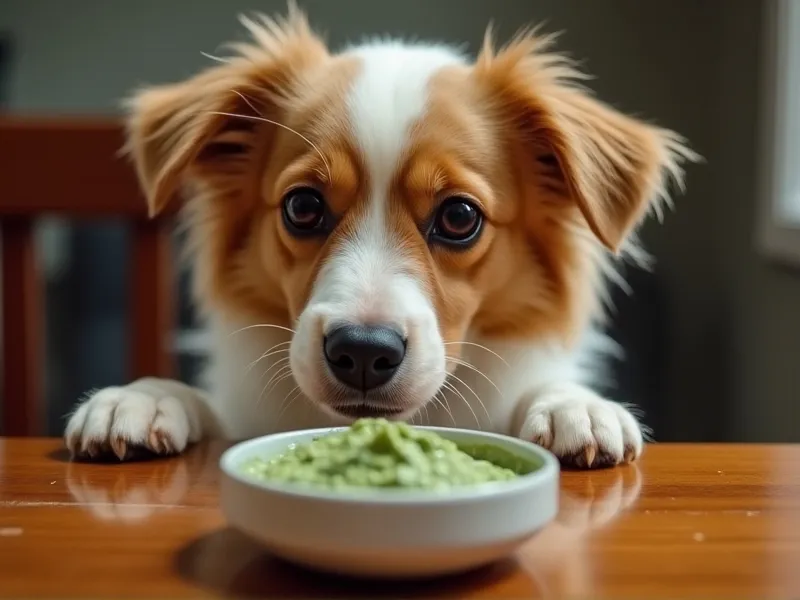
Table of Contents
- Can Dogs Eat Spinach Dip? The Short Answer
- The Good: Potential Benefits of Spinach for Dogs
- The Bad: Hidden Risks in Spinach Dip
- How Much Spinach Dip Is Safe for Dogs?
- Healthier Alternatives to Spinach Dip
- FAQ: Your Spinach Dip Questions Answered
- Conclusion: Prioritize Your Pup’s Health
Can Dogs Eat Spinach Dip? The Short Answer
No, spinach dip is not recommended for dogs—at least, not the store-bought or restaurant versions most of us enjoy. Here’s why: While plain, cooked spinach is generally safe (and even beneficial) for dogs in moderation, spinach dip is rarely “plain.” It’s typically loaded with ingredients like garlic, onions, dairy, salt, and high-fat additives—all of which can harm your dog.
Think of it this way: Spinach is the “good cop,” but the dip’s other ingredients are the “bad cops.” Let’s break down the pros and cons to understand why.
The Good: Potential Benefits of Spinach for Dogs
Before we bash the dip, let’s give spinach its due. Spinach is a nutrient-dense superfood for humans, and it offers some perks for dogs too—when served plain and in moderation. Here’s what makes spinach a standout:
1. Packed with Vitamins & Minerals
Spinach is rich in essential nutrients like:
- Vitamin A: Supports eye health, immune function, and healthy skin/coat.
- Vitamin C: An antioxidant that boosts immunity and helps fight inflammation.
- Vitamin K: Critical for blood clotting and bone health (dogs need this to prevent excessive bleeding).
- Iron: Aids in red blood cell production (though dogs usually get enough iron from their regular diet).
- Calcium: Important for strong bones and teeth (but again, most dog foods are fortified with calcium, so spinach is a bonus, not a replacement).
2. Fiber for Digestive Health
Spinach is high in dietary fiber, which can help regulate your dog’s digestion. A little fiber can ease constipation or keep things moving smoothly—just don’t overdo it (too much fiber can cause gas or diarrhea).
3. Low-Calorie and Hydrating
Spinach is 91% water, making it a hydrating, low-calorie snack. If your dog needs to lose weight, a few bites of plain spinach can satisfy their craving for something “crunchy” without adding extra calories.
But here’s the catch: These benefits only apply to plain, cooked (or thoroughly washed raw) spinach—not spinach mixed into a creamy, processed dip.
The Bad: Risks Lurking in Spinach Dip
Now, let’s talk about the real problem: the “dip” part. Most spinach dips are a mix of ingredients that are either toxic, hard to digest, or unhealthy for dogs. Here are the biggest offenders:
1. Garlic and Onions: Toxic to Dogs
Nearly all store-bought spinach dips (and many homemade ones) include garlic or onions for flavor. These belong to the allium family, and they’re toxic to dogs—even in small amounts.
Alliums contain thiosulfate, a compound that dogs can’t metabolize. This leads to oxidative damage to red blood cells, causing a condition called hemolytic anemia. Symptoms include weakness, lethargy, pale gums, rapid breathing, and dark urine. In severe cases, it can be life-threatening.
The ASPCA explicitly lists garlic and onions as toxic to dogs, noting that even “small quantities” can cause issues. So if your spinach dip has garlic powder, onion flakes, or fresh alliums—keep it far from your pup.
2. Dairy: Lactose Intolerance in Dogs
Cream cheese, sour cream, Greek yogurt, or shredded cheese are staples in spinach dip. While some dogs tolerate small amounts of dairy, most adult dogs are lactose intolerant.
Dogs produce less lactase (the enzyme that breaks down lactose) as they age, so dairy can cause:
- Stomach upset (bloating, gas)
- Diarrhea
- Vomiting
Even “lactose-free” dairy products (like lactose-free cream cheese) are often high in fat, which brings us to the next risk…
3. High Fat: A Recipe for Pancreatitis
Spinach dip is creamy, and creaminess usually means fat. Ingredients like mayo, heavy cream, or full-fat cheese can make the dip high in fat—way higher than what’s safe for dogs.
Dogs have sensitive pancreases, and a high-fat snack can trigger pancreatitis—a painful, potentially fatal condition where the pancreas becomes inflamed. Symptoms include vomiting, diarrhea, loss of appetite, and abdominal pain. Even a single “rich” treat can cause a flare-up, especially in small dogs or breeds prone to pancreatitis (like Miniature Schnauzers).
4. Salt and Sugar: Hidden Dangers
Most dips are loaded with salt to enhance flavor. Dogs need only a tiny amount of sodium (about 100mg per 1000 calories of food), and excess salt can lead to:
- Dehydration
- Increased thirst/urination
- Sodium ion poisoning (symptoms: vomiting, diarrhea, tremors, seizures, even death in severe cases).
Sugar is another culprit. Many dips (especially “creamy” varieties) add sugar or honey, which can lead to obesity, dental decay, or diabetes in dogs.
5. Choking Hazards
Let’s not forget the delivery method: spinach dip is usually eaten with chips, crackers, or veggies. If your dog snatches a chip with dip, the chip itself could pose a choking risk—especially small, hard chips that can get stuck in their throat.
How Much Spinach Dip Is Safe for Dogs?
Short answer: None, ideally. But if you’re making a homemade spinach dip with zero garlic, onions, salt, sugar, or high-fat dairy, a tiny taste (like a teaspoon) might not harm your dog.
But why risk it? Even “safe” homemade dip could contain ingredients your dog is sensitive to (like dairy). And once you give them a taste, they’ll beg for more—making it harder to resist those puppy eyes next time.
If your dog accidentally licks a drop of spinach dip off the floor, don’t panic. Monitor them for 24 hours for symptoms like vomiting, diarrhea, or lethargy. If they ate a large amount (or the dip contained garlic/onions), call your vet immediately.
Healthier Alternatives to Spinach Dip
Instead of sharing your spinach dip, treat your dog to these spinach-based snacks that are actually good for them:
1. Plain, Cooked Spinach
Steam or boil a handful of spinach (no salt, butter, or oil), chop it up, and mix it into their regular food. It’s a simple way to add nutrients without the risks.
2. Frozen Spinach “Popsicles”
Blend plain, cooked spinach with a little unsweetened pumpkin puree and freeze in ice cube trays. These make a refreshing summer treat for dogs (and they’ll love the texture!).
3. Dog-Safe “Spinach Dip”
Whip up a batch of this pup-approved dip:
- ½ cup steamed, chopped spinach
- ¼ cup plain Greek yogurt (unsweetened, no xylitol)
- 1 tbsp pumpkin puree (unsweetened)
- A dash of turmeric (optional, for anti-inflammatory benefits)
Mix all ingredients and serve a teaspoon as a treat. Store leftovers in the fridge for up to 3 days.
4. Spinach and Apple Bites
Chop spinach and mix with diced, cored apple (apples are safe for dogs!) for a crunchy, sweet-savory snack.
FAQ: Your Spinach Dip Questions Answered
Q: Can dogs eat raw spinach?
A: Yes, but wash it thoroughly first to remove pesticides. Raw spinach is safe, but some dogs prefer it cooked (steaming makes it easier to digest). Avoid feeding large amounts of raw spinach, as it contains oxalic acid (which in excess can interfere with calcium absorption).
Q: My dog ate spinach dip with garlic—what should I do?
A: Garlic is toxic, so call your vet right away. They may recommend inducing vomiting (if it’s been less than 2 hours) or monitoring for symptoms of anemia (lethargy, pale gums). The severity depends on how much garlic was in the dip and your dog’s size.
Q: Is spinach dip with artichokes safe for dogs?
A: Artichokes are generally safe for dogs (they’re low in calories and high in fiber), but the dip itself is still risky. The artichokes won’t hurt them, but the garlic, dairy, or salt in the dip could.
Q: Can puppies eat spinach dip?
A: No. Puppies have sensitive digestive systems and are more prone to food-related illnesses. Stick to their puppy food and vet-approved treats.
Q: Is feta cheese in spinach dip bad for dogs?
A: Feta is high in fat and salt, which can cause pancreatitis or sodium toxicity. Skip it.
Conclusion: Prioritize Your Pup’s Health
Spinach is a healthy addition to your dog’s diet—but spinach dip? Not so much. The risks (toxic ingredients, high fat/salt, dairy issues) far outweigh any potential benefits.
Instead of sharing your dip, opt for plain spinach or dog-safe spinach treats. And when in doubt, always check with your vet before introducing new foods to your dog’s diet. They know your pup’s health history and can give personalized advice.
After all, the best way to show your dog love is to keep them safe—and that means keeping the spinach dip (and most human snacks) to yourself. Your pup will thank you with wagging tails and healthy years ahead!
References
- American Society for the Prevention of Cruelty to Animals (ASPCA). “Toxic and Non-Toxic Plants: Onions.” aspca.org
- American Kennel Club (AKC). “Can Dogs Eat Spinach?” akc.org
- PetMD. “Foods Your Dog Can and Can’t Eat.” petmd.com
- Veterinary Centers of America (VCA). “Pancreatitis in Dogs.” vcahospitals.com