· 7 min read
Can Dogs Eat Spare Rib Bones? The Surprising Truth Every Pet Parent Needs to Know
It’s a warm summer evening, and you’re firing up the grill. The scent of smoky, barbecued spare ribs fills the air, and your dog—let’s call her Bella—trots over, tail wagging furiously. She plants herself at your feet, those big, soulful eyes locked on the ribs, as if to say, “C’mon, share the love!” You pause, fork in hand. Spare ribs are a human favorite, but is that bone safe for your pup? Before you toss her a gnaw, let’s dive into the facts: Can dogs eat spare rib bones, or are they a hidden danger?
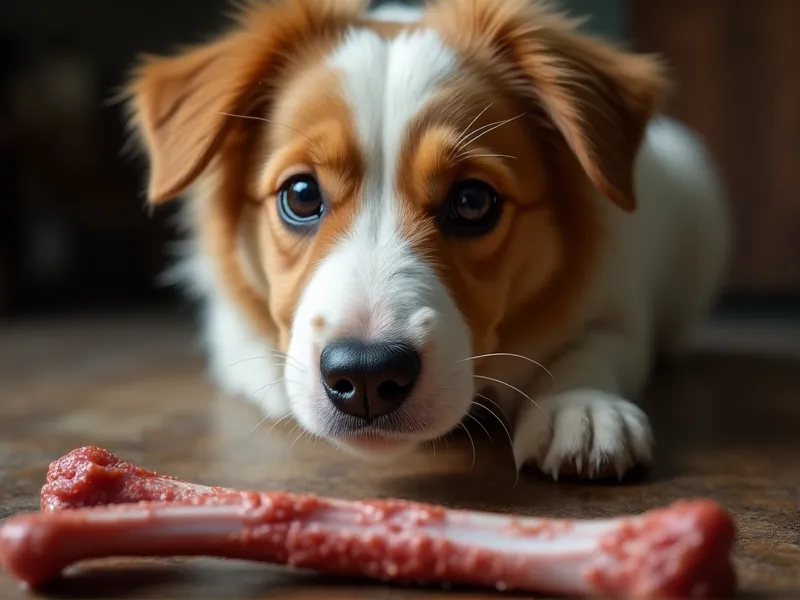
Table of Contents
- Can Dogs Eat Spare Rib Bones? The Short Answer
- Potential “Benefits” (With a Big Catch)
- The Risks: Why Spare Rib Bones Are Dangerous for Dogs
- Safe Alternatives to Spare Rib Bones
- What to Do If Your Dog Accidentally Eats a Spare Rib Bone
- FAQ: Your Spare Rib Bone Questions Answered
- Conclusion: Prioritize Safety, Not the Splurge
- References
Can Dogs Eat Spare Rib Bones? The Short Answer
No, dogs should not eat spare rib bones—whether cooked or raw. While the meat on spare ribs can be a tasty, protein-packed treat in moderation, the bones themselves pose severe health risks. From choking hazards to life-threatening internal injuries, spare rib bones are far more dangerous than they are delicious for your pup. Let’s break down why.
Potential “Benefits” (With a Big Catch)
You might think, “But bones are natural! Wolves eat bones, right?” It’s true that wild canids consume bones, but domestic dogs are not wolves—and spare rib bones are not the same as the raw, meaty bones a wolf might eat in the wild. Let’s separate myth from reality when it comes to “benefits”:
The Meat: A Tasty Treat (In Small Amounts)
The meat attached to spare ribs is rich in nutrients like:
- Protein: Essential for muscle health, immune function, and energy.
- Iron & Zinc: Support red blood cell production and skin/coat health.
- B Vitamins: Help with metabolism and brain function.
If you remove all bones and excess fat, a small piece of plain, cooked spare rib meat (no sauce!) can be a safe, occasional treat for most dogs. But the bone itself? No benefits here.
The Bone: No Real Nutritional Value
Bones are often marketed as a source of “calcium” or “fiber,” but for dogs, they’re not a reliable or safe way to get these nutrients. Cooked bones, in particular, are stripped of most nutrients during processing and become brittle—making them more likely to splinter. Even raw bones offer minimal nutritional value compared to a balanced dog food.
The Risks: Why Spare Rib Bones Are Dangerous for Dogs
The dangers of spare rib bones far outweigh any perceived perks. Here’s why they’re a no-go:
1. Choking Hazard
Spare rib bones (especially small, broken pieces) are the perfect size to get lodged in a dog’s throat. Dogs often gulp bones without chewing thoroughly, and the irregular shape of rib bones can block their airway, leading to choking. This is a medical emergency—delayed treatment can be fatal.
2. Splintering (Cooked Bones Are the Worst)
Cooking transforms bones from flexible to brittle. When a dog chews a cooked spare rib bone, it can shatter into sharp, needle-like fragments. These splinters can:
- Tear the gums, tongue, or cheeks (causing pain and infection).
- Puncture the esophagus, stomach, or intestines (leading to internal bleeding or peritonitis, a life-threatening infection of the abdominal lining).
- Get stuck in the intestinal tract, causing a blockage that often requires surgery to remove.
3. Intestinal Blockages
Even if a bone doesn’t splinter, large chunks can get stuck in the intestines. Symptoms of a blockage include vomiting, diarrhea, lethargy, loss of appetite, and straining to poop. Without treatment, this can lead to tissue death and sepsis.
4. Tooth Damage
Chewing on hard bones (like spare ribs) can crack or break your dog’s teeth. Fractured teeth are painful and may require extraction, which is costly and stressful for your pup.
5. Sauce & Seasonings: Hidden Toxins
Most spare ribs are slathered in BBQ sauce, which is loaded with:
- Sugar: Contributes to obesity, diabetes, and dental decay.
- Salt: Excess salt can cause sodium ion poisoning (symptoms: vomiting, diarrhea, seizures, even death).
- Onion/Garlic Powder: Toxic to dogs, damaging red blood cells and leading to anemia.
Even “low-sodium” or “sugar-free” sauces may contain xylitol, an artificial sweetener that is extremely toxic to dogs (it causes a rapid drop in blood sugar and liver failure).
Safe Alternatives to Spare Rib Bones
Just because spare rib bones are off-limits doesn’t mean your dog can’t enjoy a tasty, satisfying chew. Here are healthier, safer options:
1. Raw Meaty Bones (Vet-Approved)
If your vet gives the green light, raw meaty bones (like beef knuckles, lamb necks, or chicken wings) can be a safe chew for some dogs. These bones are large enough that your dog can’t swallow them whole, and the meat and cartilage provide nutrients. Always:
- Choose bones appropriate for your dog’s size (e.g., no chicken wings for a Great Dane!).
- Supervise your dog while they chew (remove any small pieces that break off).
- Avoid weight-bearing bones (like beef femurs), which are too hard and can crack teeth.
2. Dental Chews
Look for VOHC (Veterinary Oral Health Council)-approved dental chews (e.g., Greenies, Pedigree Dentastix). These are designed to clean teeth, freshen breath, and satisfy the urge to chew—without the risk of splintering.
3. Fresh Veggies & Fruits
Crunchy, low-calorie options like:
- Carrots: High in fiber and vitamin A; great for teeth.
- Green Beans: Packed with vitamins and low in calories.
- Sweet Potatoes: Cooked, sliced, and dehydrated into chewy “chips.”
4. Kong Toys Stuffed with Treats
Fill a Kong with peanut butter (xylitol-free!), plain yogurt, or canned pumpkin (no sugar added) and freeze it. This keeps your dog busy and satisfies their need to chew—without any bone risks.
5. Rawhide Alternatives
Opt for rawhide-free chews made from sweet potato, chicken, or fish. Brands like Earth Animal or Himalayan Dog Chew offer long-lasting, digestible options.
What to Do If Your Dog Accidentally Eats a Spare Rib Bone
If your dog snags a spare rib bone (or you catch them mid-chew), stay calm and take action:
- Remove Any Remaining Bone: If the bone is still in their mouth, gently pry it out—do not pull if it’s stuck (you could push it further down).
- Check for Immediate Signs of Distress: Choking (gagging, pawing at the mouth), difficulty breathing, or excessive drooling requires emergency vet care.
- Monitor for Symptoms: Over the next 24–48 hours, watch for vomiting, diarrhea, lethargy, or loss of appetite. These could signal a blockage or injury.
- Call Your Vet: Even if your dog seems fine, contact your vet. They may recommend X-rays to check for splinters or blockages, especially if the bone was large or cooked.
FAQ: Your Spare Rib Bone Questions Answered
Q: Can dogs eat raw spare rib bones?
A: Raw bones are less brittle than cooked ones, but they still pose risks (choking, blockages, tooth damage). Spare ribs are small and curved, making them more likely to break into chunks. Most vets advise against raw spare ribs.
Q: My dog ate a spare rib bone and seems fine—should I worry?
A: Yes. Some dogs pass small bone fragments without issue, but others develop blockages or internal tears days later. Always consult your vet to be safe.
Q: Are there any bones that are 100% safe for dogs?
A: No bone is completely risk-free. Even “safe” raw bones can cause choking or blockages in aggressive chewers. The best bet is to stick to vet-approved alternatives.
Q: Can I give my dog the meat from spare ribs (no bone)?
A: Yes! Plain, cooked spare rib meat (trimmed of fat and sauce) is a safe, occasional treat. Limit it to 10% of their daily calories (e.g., a 50lb dog can have ~1–2 oz per day).
Conclusion: Prioritize Safety, Not the Splurge
It’s hard to resist those puppy-dog eyes when you’re enjoying spare ribs, but remember: your dog’s health is worth more than a momentary treat. Spare rib bones are simply too risky—choking, splintering, and toxins make them a dangerous choice.
Instead, opt for the meat (bone-free!) as an occasional snack, or try one of the safe alternatives listed above. And when in doubt, always check with your vet—they know your dog’s unique health needs best.
Your pup will thank you for choosing safety over splinters. Now, go enjoy those ribs (and maybe share a tiny bite of plain meat with your patient pooch).
References
- American Society for the Prevention of Cruelty to Animals (ASPCA). (n.d.). Toxic Foods for Dogs. https://www.aspca.org/pet-care/animal-poison-control/toxic-foods-dogs
- American Kennel Club (AKC). (2023). Can Dogs Eat Bones? https://www.akc.org/expert-advice/nutrition/can-dogs-eat-bones/
- Veterinary Centers of America (VCA). (n.d.). Are Bones Safe for Dogs? https://vcahospitals.com/know-your-pet/are-bones-safe-for-dogs
- Cummings School of Veterinary Medicine at Tufts University. (2019). Dangers of Bones for Dogs. https://vetnutrition.tufts.edu/2019/03/the-dangers-of-bones-for-dogs/