· 8 min read
Can Dogs Eat Spaghetti Squash? A Pet Parent’s Guide to Safe Snacking
It’s a cozy Sunday evening, and you’re savoring a bowl of roasted spaghetti squash—light, garlicky (okay, maybe just a little garlic… oops), and packed with that satisfying, noodle-like texture. Out of the corner of your eye, your dog, Bella, plops down beside you, tail thumping a rapid rhythm against the floor. Her big, brown eyes lock onto your fork, and she lets out a soft whimper. “Can I share?” you wonder. After all, it’s a vegetable—low-carb, nutrient-dense, and so much healthier than that leftover pizza from last night. But is spaghetti squash safe for dogs?
If you’ve ever found yourself asking this question, you’re not alone. As pet parents, we want to spoil our fur babies with tasty treats, but we also need to make sure those treats won’t harm them. Spaghetti squash has grown in popularity as a human superfood, but when it comes to our canine companions, the answer isn’t a simple “yes” or “no.” Let’s dive into everything you need to know about feeding spaghetti squash to your dog—from benefits to risks, portion sizes, and even healthier alternatives.
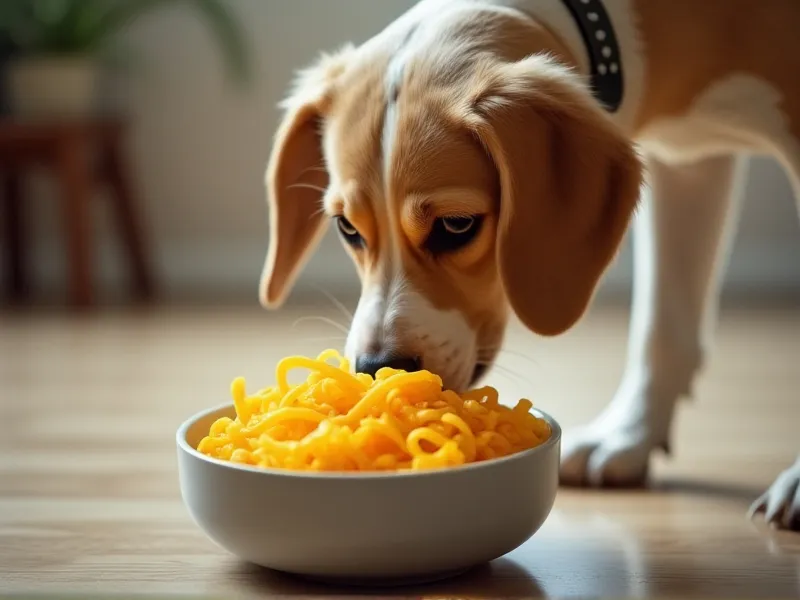
Table of Contents
- Can Dogs Eat Spaghetti Squash? The Short Answer
- The Benefits of Spaghetti Squash for Dogs
- Nutrient Powerhouse: Vitamins A and C
- Fiber for Digestive Health
- Potassium for Heart and Muscle Function
- The Risks: What to Watch Out For
- Natural Sugars: Moderation is Key
- Stomach Upset and Digestive Issues
- Choking Hazards: The Stringy Texture
- Seeds: Friend or Foe?
- How Much Spaghetti Squash Can Dogs Eat? Guidelines for Safe Feeding
- Healthier Alternatives to Spaghetti Squash
- Pumpkin: The Gold Standard for Doggy Digestion
- Sweet Potato: A Vitamin-Packed Treat
- Zucchini: Low-Calorie and Hydrating
- Frequently Asked Questions (FAQ)
- Conclusion: Spaghetti Squash as an Occasional Treat
- References
1. Can Dogs Eat Spaghetti Squash? The Short Answer
Yes, dogs can eat spaghetti squash—in small, cooked, plain portions. When prepared correctly (more on that later), spaghetti squash is non-toxic and can even offer some health benefits to your pup. However, it’s not a substitute for their regular, balanced dog food, and there are important risks to consider, like choking hazards and digestive upset if overfed. Think of it as a special treat, not a meal replacement.
2. The Benefits of Spaghetti Squash for Dogs
Spaghetti squash isn’t just a trendy human food—it’s actually packed with nutrients that can support your dog’s health when fed in moderation. Let’s break down the key benefits:
Nutrient Powerhouse: Vitamins A and C
Spaghetti squash is rich in vitamin A, an essential nutrient for dogs. Vitamin A supports:
- Healthy vision (especially night vision and eye moisture).
- A strong immune system, helping fight off infections.
- Skin and coat health, reducing dryness and flakiness.
It also contains vitamin C, a powerful antioxidant. While dogs can produce their own vitamin C, extra amounts from food can help reduce inflammation, support joint health (great for senior dogs), and boost collagen production for healthy skin and connective tissues.
Fiber for Digestive Health
Fiber is a unsung hero for your dog’s gut, and spaghetti squash delivers a decent amount (about 2.2 grams per cup, cooked). Soluble fiber helps regulate blood sugar levels, while insoluble fiber adds bulk to stool, promoting regular bowel movements. This can be especially helpful for dogs with occasional constipation—just don’t overdo it (more on that in the risks section!).
Potassium for Heart and Muscle Function
Potassium is an electrolyte that plays a crucial role in maintaining your dog’s heart rhythm, muscle contractions, and nerve function. A small serving of spaghetti squash can contribute to your dog’s daily potassium needs, supporting overall cardiovascular health and energy levels.
3. The Risks: What to Watch Out For
While spaghetti squash has benefits, it’s not without risks—especially if fed incorrectly or in large amounts. Here’s what to keep in mind:
Natural Sugars: Moderation is Key
Like most fruits and vegetables, spaghetti squash contains natural sugars (about 3.9 grams per cup, cooked). While these sugars are healthier than added sugars, too much can lead to:
- Weight gain: Extra calories from sugar can add up, contributing to obesity (a leading cause of diabetes, joint pain, and heart disease in dogs).
- Blood sugar spikes: Dogs with diabetes or insulin resistance may struggle to process excess sugar, so consult your vet before feeding.
Stomach Upset and Digestive Issues
Dogs have sensitive digestive systems, and sudden introduction of new foods—even healthy ones—can cause upset. Spaghetti squash’s fiber content, while beneficial, can lead to:
- Gas and bloating (especially if your dog isn’t used to high-fiber foods).
- Diarrhea or loose stools if fed in large quantities.
- Constipation if overfed (ironically, too much fiber can back things up!).
Choking Hazards: The Stringy Texture
The most unique (and risky) part of spaghetti squash is its stringy, noodle-like texture when cooked. These strands can be a choking hazard, especially for small dogs, brachycephalic breeds (like pugs or bulldogs with short snouts), or dogs who gulp their food without chewing. If your dog tries to swallow a long strand whole, it could get stuck in their throat.
Seeds: Friend or Foe?
Spaghetti squash seeds are small and soft, but it’s best to remove them before feeding your dog. While a few seeds are unlikely to harm, large amounts could:
- Pose a choking risk (especially for tiny dogs).
- Cause intestinal blockage if your dog swallows too many at once (more common in curious puppies who eat everything!).
4. How Much Spaghetti Squash Can Dogs Eat? Guidelines for Safe Feeding
The golden rule here is: moderation and preparation. Follow these tips to keep your dog safe:
Cook It Thoroughly
Always feed spaghetti squash cooked, not raw. Raw spaghetti squash is hard to digest, and its tough, stringy texture is even more likely to cause choking or blockages. Roasting, boiling, or steaming (without added ingredients) softens the strands, making them safer and easier to chew.
Skip the Add-Ins
Never feed spaghetti squash with:
- Salt, butter, oil, or seasonings (garlic and onion are toxic to dogs!).
- Cheese, sauce, or spices (these add unnecessary calories and can upset tummies).
- Sugar or sweeteners (even “natural” ones like honey—your dog doesn’t need them!).
Portion Size Depends on Your Dog’s Weight
Treats (including veggies like spaghetti squash) should make up no more than 10% of your dog’s daily calories. For reference, here’s a rough guide based on weight:
- Small dogs (under 20 lbs): 1–2 tablespoons of cooked, plain spaghetti squash per week.
- Medium dogs (20–50 lbs): 2–3 tablespoons per week.
- Large dogs (50+ lbs): 3–4 tablespoons per week.
Pro tip: Mix a small portion into their regular kibble or serve as a standalone treat. Start with a tiny amount (1 teaspoon for small dogs) to see how their stomach reacts before increasing.
5. Healthier Alternatives to Spaghetti Squash
If you’re concerned about the choking risk or sugar content of spaghetti squash, there are plenty of safer, nutrient-dense veggies your dog will love. Here are our top picks:
Pumpkin (Canned, Unsweetened)
Pumpkin is a doggy superfood! It’s rich in fiber (great for diarrhea and constipation), vitamin A, and beta-carotene. Unlike spaghetti squash, it has a smooth texture (no stringy strands) and lower sugar content (about 1.3 grams per cup, cooked). Serve 1–2 tablespoons (depending on size) mixed into food or frozen as a cool treat.
Sweet Potato (Cooked, Plain)
Sweet potatoes are packed with vitamins A, C, and B6, plus fiber and potassium. They’re naturally sweet (dogs go crazy for them!) and easy to digest when baked or boiled (no added butter or cinnamon). Just avoid raw sweet potato, which is hard to chew and can cause blockages.
Zucchini (Cooked or Raw)
Zucchini is low in calories, high in water (great for hydration), and rich in vitamin C and potassium. Its soft, mild flavor makes it a hit with picky eaters, and its smooth texture (no strings!) eliminates choking risks. Slice it into small pieces raw (as a crunchy snack) or cook it lightly for older dogs.
6. Frequently Asked Questions (FAQ)
Q: Can puppies eat spaghetti squash?
A: Puppies have sensitive digestive systems, so it’s best to wait until they’re at least 6 months old (and on a solid food diet) before introducing spaghetti squash. Start with 1–2 teaspoons of cooked, plain squash and monitor for diarrhea or vomiting. Always consult your vet first, especially for large breed puppies with growth-related dietary needs.
Q: My dog ate a whole bowl of spaghetti squash—what should I do?
A: Don’t panic, but monitor them closely for 24–48 hours. Symptoms to watch for: vomiting, diarrhea, lethargy, loss of appetite, or difficulty breathing (signs of choking). If any of these occur, contact your vet immediately.
Q: Can dogs eat spaghetti squash with sauce?
A: No! Most sauces contain garlic, onion, salt, or oil—all harmful to dogs. Garlic and onion (even in small amounts) can damage red blood cells, leading to anemia. Stick to plain, cooked squash only.
Q: Is spaghetti squash better than regular spaghetti for dogs?
A: Regular spaghetti (white pasta) is high in carbs and low in nutrients, so spaghetti squash is the healthier choice. But neither should be a regular part of your dog’s diet—their food should be a balanced, vet-approved kibble or wet food.
7. Conclusion: Spaghetti Squash as an Occasional Treat
Spaghetti squash can be a fun, healthy addition to your dog’s treat rotation—when fed safely. Remember:
- Cook it thoroughly, remove seeds, and skip the seasonings.
- Keep portions small (no more than 10% of their daily calories).
- Watch for choking hazards, especially with small dogs.
If your dog has health issues (like diabetes, pancreatitis, or digestive sensitivities), always consult your vet before introducing new foods. And when in doubt, opt for safer alternatives like pumpkin or sweet potato.
At the end of the day, the best treat for your dog is your love and attention—but a tiny bite of cooked spaghetti squash? That’s just the cherry on top (or should we say, the squash on the kibble?).
8. References
- American Kennel Club (AKC). “Can Dogs Eat Squash?” akc.org
- PetMD. “Vegetables Dogs Can and Can’t Eat.” petmd.com
- VCA Animal Hospitals. “Dietary Fiber for Dogs.” vcahospitals.com
- The Spruce Pets. “Can Dogs Eat Spaghetti Squash?” thesprucepets.com