· 8 min read
Can Dogs Eat Spaghetti? A Pet Parent’s Guide to Safe and Healthy Treats
It’s a familiar scene: You’re cozied up on the couch, twirling a forkful of warm spaghetti, when suddenly you feel a wet nose nudge your hand. Looking down, your dog’s big, hopeful eyes lock onto your plate, as if to say, “Can I have a bite?” As pet parents, we’ve all been there—wanting to share the simple joys of a meal with our furry companions. But when it comes to human foods like spaghetti, the question lingers: Is this safe for my dog?
Spaghetti is a staple in many households, loved for its versatility and comfort factor. But dogs have unique dietary needs, and not all human foods are created equal for them. In this guide, we’ll break down everything you need to know about feeding spaghetti to your dog: the short answer, potential benefits, hidden risks, portion guidelines, and even healthier alternatives. By the end, you’ll have the info to decide whether to pass that fork (or a few strands) to your pup—without the guilt.
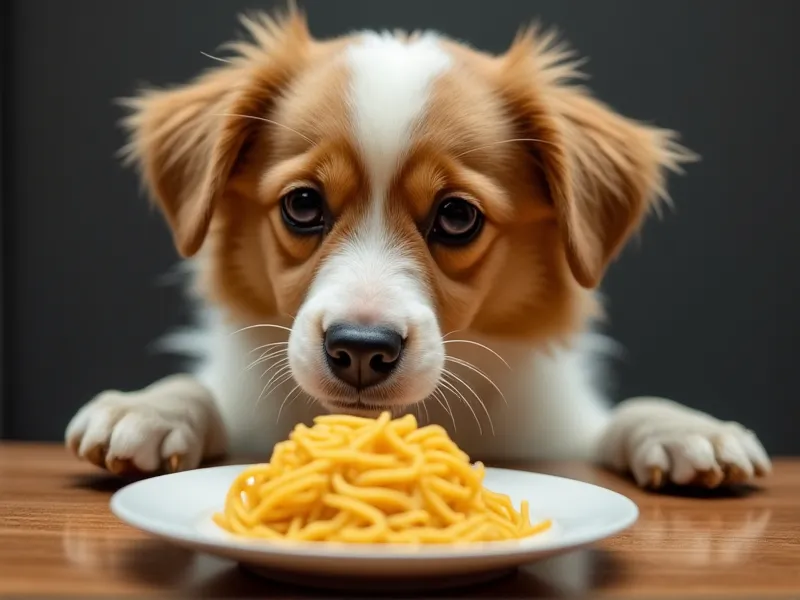
Table of Contents
- Can Dogs Eat Spaghetti? The Short Answer
- Potential Benefits of Spaghetti for Dogs
- Risks to Watch Out For: It’s Not Just About the Noodles
- How Much Spaghetti Can Dogs Safely Eat?
- Healthier Alternatives to Spaghetti
- FAQ: Your Spaghetti-and-Dog Questions Answered
- Conclusion: Moderation is Key
Can Dogs Eat Spaghetti? The Short Answer
Yes, dogs can eat plain, unseasoned spaghetti in small, occasional amounts.
Spaghetti itself—made from wheat flour and water—is not toxic to dogs. In fact, plain pasta (without sauces, spices, or added ingredients) is often used as a bland diet for dogs with upset stomachs (under veterinary guidance). However, there’s a big caveat: the “extras” that usually come with spaghetti (like garlic, onion, salt, or sugar) can be harmful, and overfeeding can lead to health issues.
Think of spaghetti as a “sometimes treat,” not a regular part of their diet. It shouldn’t replace your dog’s balanced, nutrient-dense dog food, which is formulated to meet their specific needs.
Potential Benefits of Spaghetti for Dogs
While spaghetti isn’t a superfood for dogs, plain, whole-grain varieties can offer some minor nutritional perks—if served correctly. Here’s what you need to know:
1. Fiber for Digestive Health
Whole-wheat or whole-grain spaghetti contains more fiber than refined white spaghetti. Fiber helps support healthy digestion by promoting regular bowel movements and feeding beneficial gut bacteria. For dogs prone to constipation, a small amount of whole-grain spaghetti (plain!) might offer gentle support.
2. B Vitamins and Iron
Whole grains are rich in B vitamins (like thiamine and niacin), which help convert food into energy, support brain function, and maintain healthy skin and coat. They also contain iron, a mineral that helps red blood cells carry oxygen throughout the body. Again, these benefits are only significant if the spaghetti is whole grain—refined white spaghetti has most of these nutrients stripped away.
3. Potassium for Heart and Muscle Health
Potassium is an electrolyte that supports heart function, muscle contractions, and fluid balance. While dogs get plenty of potassium from their regular diet (think: meat, sweet potatoes, bananas), whole-grain spaghetti adds a tiny boost.
But remember: These benefits are minimal. Spaghetti is not a substitute for nutrient-dense dog food, and most dogs will get all the fiber, vitamins, and minerals they need from their regular meals.
Risks to Watch Out For: It’s Not Just About the Noodles
The biggest dangers of spaghetti for dogs rarely come from the noodles themselves—it’s what we add to them. Let’s break down the risks:
1. Toxic Sauces (Garlic, Onion, and More)
Tomato sauce is a staple with spaghetti, but it’s often loaded with ingredients that are toxic to dogs:
- Garlic and Onion: These belong to the Allium family, which can damage a dog’s red blood cells, leading to anemia (even in small amounts). Symptoms include weakness, vomiting, and pale gums.
- Salt: Excess salt causes sodium ion poisoning, leading to thirst, vomiting, diarrhea, seizures, or even death. A single cup of store-bought tomato sauce can have 1,000+ mg of sodium—way more than a dog needs in a day (the recommended sodium intake for dogs is ~100 mg per 10 lbs of body weight).
- Sugar: Added sugars (like in sweetened sauces or ketchup) contribute to obesity, dental decay, and even diabetes over time.
2. Stomach Upset from Overfeeding
Dogs’ digestive systems are sensitive to sudden changes in diet. A large portion of spaghetti (even plain) can cause:
- Bloating or gas (from excess carbs).
- Diarrhea or constipation (especially if your dog isn’t used to fiber).
- Weight gain: Spaghetti is high in carbs and calories. A cup of cooked spaghetti has ~220 calories—for a 10-lb dog, that’s 20% of their daily calorie needs!
3. Choking or Intestinal Blockage
Long, unbroken spaghetti noodles can pose a choking hazard, especially for small dogs. If swallowed whole, they might also get tangled in the intestines, leading to a blockage (a serious, potentially life-threatening issue requiring surgery).
4. Gluten Sensitivity (Rare, But Possible)
Most dogs tolerate gluten (the protein in wheat) just fine, but some may have sensitivities or allergies. Symptoms include itchy skin, ear infections, or digestive upset. If your dog has a known gluten allergy, skip the spaghetti altogether.
Pro Tip: If you want to share spaghetti with your dog, cook a small batch separately—plain, no salt, no oil, and broken into short pieces to avoid choking.
How Much Spaghetti Can Dogs Safely Eat?
Portion control is everything. Spaghetti should never make up more than 10% of your dog’s daily calories (the rest should come from their regular dog food). Here’s a rough guide based on size:
- Small dogs (under 20 lbs): 1–2 short strands (broken into 1–2 inch pieces) as an occasional treat.
- Medium dogs (20–50 lbs): A small handful (about ¼ cup cooked, broken into pieces).
- Large dogs (50+ lbs): Up to ½ cup cooked (broken into pieces), but only once in a while.
Example: A 30-lb dog needs ~700 calories/day. 10% of that is 70 calories—about ⅓ cup of cooked spaghetti. That’s a tiny portion!
Healthier Alternatives to Spaghetti
If you want to treat your dog to a “noodle-like” snack with more nutrients, try these alternatives:
1. Whole-Grain or Legume Pasta
Opt for whole-wheat, brown rice, or chickpea pasta instead of white spaghetti. These have more fiber, protein, and nutrients (like iron and B vitamins) than refined pasta.
2. Zucchini Noodles (“Zoodles”)
Zucchini noodles are low in calories, high in water content, and packed with vitamins A and C (great for skin and immune health). They’re a perfect low-carb alternative for overweight dogs or those on a grain-free diet.
3. Sweet Potato Noodles
Sweet potatoes are a dog favorite! Spiralized sweet potato noodles offer beta-carotene (which converts to vitamin A), fiber, and potassium—all with a natural sweetness dogs love.
4. Quinoa
While not a noodle, quinoa is a gluten-free, protein-rich grain that’s easy to digest. Cooked plain, it’s a great occasional treat (or even a topper for their regular food).
Remember: Even these alternatives should be plain (no butter, salt, or sauces) and served in moderation.
FAQ: Your Spaghetti-and-Dog Questions Answered
Q: Can dogs eat spaghetti with meatballs?
A: Probably not. Most meatballs contain garlic, onion, salt, or spices—all harmful to dogs. Even plain meatballs are high in fat, which can cause pancreatitis in dogs. Stick to plain noodles only.
Q: Is whole-wheat spaghetti better for dogs than white spaghetti?
A: Yes! Whole-wheat spaghetti has more fiber, B vitamins, and minerals than refined white spaghetti. It’s a slightly healthier treat, but still only in small amounts.
Q: My dog ate spaghetti with sauce—should I panic?
A: It depends on the sauce. If the sauce had garlic, onion, or large amounts of salt, call your vet immediately (these can be toxic even in small doses). If it was just a little plain tomato sauce (no spices), monitor your dog for vomiting, diarrhea, or lethargy. When in doubt, always check with your vet.
Q: Can puppies eat spaghetti?
A: Puppies have sensitive tummies, so it’s best to avoid spaghetti (and most human foods) until they’re older (6+ months). Their diet should focus on nutrient-dense puppy food to support growth.
Q: Is spaghetti a good “bland diet” for sick dogs?
A: Sometimes! Vets may recommend plain, cooked pasta (or rice) mixed with boiled chicken as a bland diet for dogs with diarrhea or vomiting. But only do this under veterinary guidance—don’t self-prescribe.
Conclusion: Moderation is Key
Spaghetti can be a safe, occasional treat for dogs—if it’s plain, unseasoned, and served in tiny portions. The real risk lies in sauces, spices, and overfeeding. When in doubt, ask: “Is this adding value to my dog’s diet, or just calories?” For most dogs, the answer is the latter.
If you do share spaghetti with your pup, keep it simple: cook a small batch of plain, whole-grain noodles, break them into short pieces, and offer a few strands as a special treat. And always prioritize their regular dog food—it’s formulated to keep them healthy, happy, and full of energy (so they can keep begging for those spaghetti strands for years to come).
As with any new food, if you notice changes in your dog’s behavior, digestion, or energy levels, reach out to your vet. They know your dog’s unique needs best!
References:
- American Society for the Prevention of Cruelty to Animals (ASPCA). Toxic and Non-Toxic Plants & Foods. aspca.org/pet-care/animal-poison-control/toxic-and-non-toxic-plants
- American Kennel Club (AKC). Can Dogs Eat Pasta? akc.org/expert-advice/nutrition/can-dogs-eat-pasta
- PetMD. Feeding Your Dog Human Food: What’s Safe? petmd.com/dog/nutrition/what-human-foods-can-dogs-eat