· 8 min read
Can Dogs Eat Soy Sauce? The Surprising Truth Every Pet Parent Needs to Know
Picture this: You’re whipping up a stir-fry for dinner, and your curious pup trots over, tail wagging, nose twitching at the savory aroma. In a split second, the soy sauce bottle slips—splash! A puddle spreads across the counter, and before you can react, your dog licks up a few drops. Panic sets in: Is soy sauce toxic to dogs? Will that tiny taste make them sick?
If you’ve ever found yourself asking, “Can dogs eat soy sauce?” you’re not alone. As pet parents, we’re hyper-vigilant about what our fur babies ingest, and with soy sauce being a staple in many kitchens, it’s natural to wonder if it’s safe.
In this post, we’ll break down the facts: the potential risks (hint: it’s not great), the minimal benefits, how much (if any) is safe, and healthier alternatives to satisfy your dog’s taste buds without the worry. Let’s dive in!
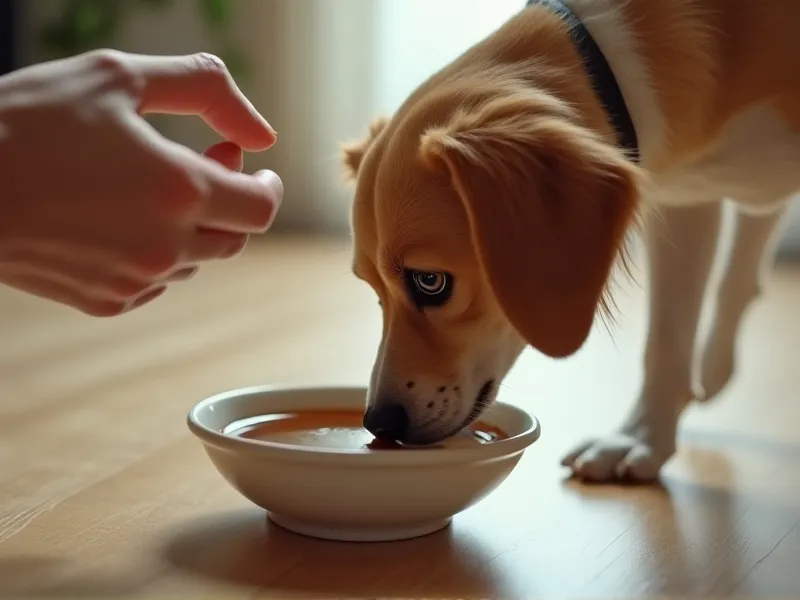
Table of Contents
- Can Dogs Eat Soy Sauce? The Short Answer
- What Is Soy Sauce, Anyway?
- Potential Benefits of Soy Sauce for Dogs: Are There Any?
- The Risks: Why Soy Sauce Is Not Safe for Dogs
- How Much Soy Sauce Is Safe for Dogs? (If Any)
- Healthier Alternatives to Soy Sauce
- FAQ: Your Soy Sauce and Dog Questions Answered
- Conclusion: When in Doubt, Skip the Soy Sauce
Can Dogs Eat Soy Sauce? The Short Answer
No, dogs should not eat soy sauce.
While a tiny accidental lick (think: a drop off the floor) is unlikely to cause immediate harm, soy sauce is not safe for regular or even occasional feeding. The primary culprit? Its extremely high sodium content, which can lead to serious health issues like sodium ion poisoning, dehydration, and electrolyte imbalances in dogs. Even “low-sodium” varieties contain far more salt than dogs need, making them a poor choice for your pup.
What Is Soy Sauce, Anyway?
Before we dig into why soy sauce is risky, let’s clarify what it is. Traditional soy sauce is a fermented condiment made from soybeans, wheat, salt, and water. Some varieties also include sugar, preservatives (like sodium benzoate), or flavor enhancers (like MSG). There are several types, including:
- Regular soy sauce: High in sodium (about 900–1,000 mg per tablespoon).
- Low-sodium soy sauce: Still salty (about 500–600 mg per tablespoon—still way too much for dogs).
- Tamari: A gluten-free version (made without wheat), but sodium levels are similar to regular soy sauce.
No matter the type, the common denominator is salt—and lots of it.
Potential Benefits of Soy Sauce for Dogs: Are There Any?
You might be thinking, “Soybeans are healthy, so maybe soy sauce has some benefits?” Let’s set the record straight: Soy sauce offers almost no nutritional value for dogs.
Soybeans themselves are a good source of protein, fiber, potassium, and iron for humans (and some dogs, in moderation). But soy sauce is a highly processed product. During fermentation and production, most of the original nutrients from soybeans are lost, leaving behind primarily salt, water, and trace amounts of other compounds.
The tiny amounts of fiber or potassium in soy sauce are completely overshadowed by its sodium content. In short: There’s no reason to feed soy sauce to your dog for “health benefits.”
The Risks: Why Soy Sauce Is Not Safe for Dogs
Now, let’s break down the key risks of feeding soy sauce to dogs—starting with the biggest one:
1. High Sodium Content: A Major Threat
Dogs need sodium to survive, but only in tiny amounts. According to the American Kennel Club (AKC), adult dogs require about 0.25 grams of sodium per day for every 10 pounds of body weight. To put that in perspective:
- A single tablespoon of regular soy sauce contains ~900 mg of sodium. That’s 3.6 times the daily sodium needs of a 10-pound dog—in one spoonful!
Too much sodium causes the body to retain water, leading to dehydration, swelling, and electrolyte imbalances. In severe cases, this can progress to sodium ion poisoning, which has dangerous symptoms like:
- Excessive thirst and urination
- Vomiting or diarrhea (often with blood)
- Lethargy or weakness
- Tremors, seizures, or even coma
- In extreme cases, death
Small dogs, puppies, and senior dogs are especially vulnerable, as their bodies can’t process excess sodium as efficiently.
2. Added Sugars: Empty Calories
Many soy sauces (especially “sweet” or low-sodium varieties) contain added sugar to improve taste. While a little sugar won’t kill your dog, regular exposure can lead to:
- Obesity
- Dental decay
- Increased risk of diabetes (especially in overweight dogs)
Dogs don’t need added sugars in their diet, and soy sauce offers no nutritional upside to justify the extra calories.
3. Hidden Additives and Preservatives
Some soy sauces include additives like MSG (monosodium glutamate), preservatives (e.g., sodium benzoate), or artificial colors. While MSG isn’t proven toxic to dogs, PetMD notes that it may cause mild digestive upset in some pets. Preservatives, too, are unnecessary for your dog’s diet and can trigger sensitivities.
4. Stomach Upset and Digestive Issues
Even small amounts of soy sauce can irritate a dog’s stomach. The high salt content draws water into the intestines, leading to diarrhea, vomiting, or stomach cramps—even if the dose isn’t high enough to cause sodium poisoning.
How Much Soy Sauce Is Safe for Dogs? (If Any)
The short answer: There’s no “safe” amount to intentionally feed your dog.
Accidental exposure (e.g., your dog licks a few drops off the floor) is usually harmless, but you should still monitor them for signs of stomach upset (vomiting, diarrhea) or excessive thirst.
If your dog ingests a larger amount (e.g., a spilled tablespoon), contact your vet immediately. Even “low-sodium” soy sauce is risky—remember, it still has ~500 mg sodium per tablespoon, which is way more than a small dog needs in a day.
Healthier Alternatives to Soy Sauce
If you want to add flavor to your dog’s food (or reward them with something tasty), skip the soy sauce and try these safe, nutritious alternatives:
🔹 Unsalted Bone Broth
Homemade or store-bought bone broth (without salt, garlic, or onion) is rich in nutrients like collagen, glucosamine, and minerals. It’s gentle on the stomach and perfect for adding moisture to kibble.
🔹 Low-Sodium Vegetable Broth
Look for broth labeled “no salt added” and check the ingredients to ensure it doesn’t contain garlic or onion (both toxic to dogs). A splash can make plain rice or veggies more appealing.
🔹 Fresh Herbs (In Small Amounts)
Safe herbs like parsley, basil, or oregano can add flavor without salt. Parsley, for example, is rich in vitamins A and C and can freshen your dog’s breath!
🔹 Plain Cooked Meat or Veggies
A small cube of cooked chicken, turkey, or sweet potato makes a delicious, low-sodium treat. Just avoid seasoning with salt, butter, or oil.
FAQ: Your Soy Sauce and Dog Questions Answered
Q: My dog licked a little soy sauce off the floor. Should I panic?
A: Probably not! A tiny amount (a few drops) is unlikely to cause harm. Monitor them for 24 hours for signs of stomach upset (vomiting, diarrhea) or excessive thirst. If symptoms appear, call your vet.
Q: Can puppies eat soy sauce?
A: No. Puppies have smaller bodies and developing kidneys, making them more sensitive to sodium. Even a small amount could lead to dehydration or electrolyte imbalances.
Q: Is low-sodium soy sauce safer for dogs?
A: Not really. Low-sodium soy sauce still has ~500 mg of sodium per tablespoon, which is far more than most dogs need in a day. It’s better to avoid it entirely.
Q: What if my dog has a soy allergy?
A: Soy is a common allergen for dogs. Symptoms include itching, red skin, ear infections, or digestive issues (vomiting, diarrhea). If your dog is allergic to soy, soy sauce (made from soybeans) will only worsen these problems.
Q: When should I call the vet after my dog eats soy sauce?
A: Contact your vet immediately if:
- Your dog ingests more than a few drops (e.g., a spoonful or more).
- They show symptoms like vomiting, diarrhea, lethargy, or seizures.
- They’re a small breed, puppy, senior, or have underlying health issues (like kidney disease).
Conclusion: When in Doubt, Skip the Soy Sauce
At the end of the day, soy sauce offers no benefits to dogs and comes with significant risks—especially from its high sodium content. There’s simply no reason to include it in their diet.
If your dog accidentally licks a little up, stay calm and monitor them. For everyday treats or flavor enhancers, stick to safe options like unsalted bone broth, fresh herbs, or plain cooked meat. And when in doubt, always consult your vet—they know your dog’s health best!
Your pup’s taste buds (and kidneys) will thank you.
References
- American Kennel Club (AKC). “What Human Foods Can Dogs Eat?” akc.org
- PetMD. “Is MSG Toxic to Dogs?” petmd.com
- ASPCA. “Toxic and Non-Toxic Plants and Foods.” aspca.org
- VCA Hospitals. “Sodium Ion Toxicosis in Dogs.” vcahospitals.com