· 7 min read
Can Dogs Eat Smoked Sausage? What Pet Parents Need to Know
It’s a sunny Saturday, and you’re firing up the grill. The smell of smoked sausage fills the air, and your dog is right there, nose twitching, tail thumping a mile a minute. You can’t help but wonder—is it okay to share a little bite?
We get it. Treating our pups is one of the joys of pet parenthood. But when it comes to human foods like smoked sausage, it’s crucial to separate the “cute puppy eyes” from the facts. In this post, we’ll break down whether smoked sausage is safe for dogs, the risks involved, and healthier alternatives to keep those tails wagging without worry.
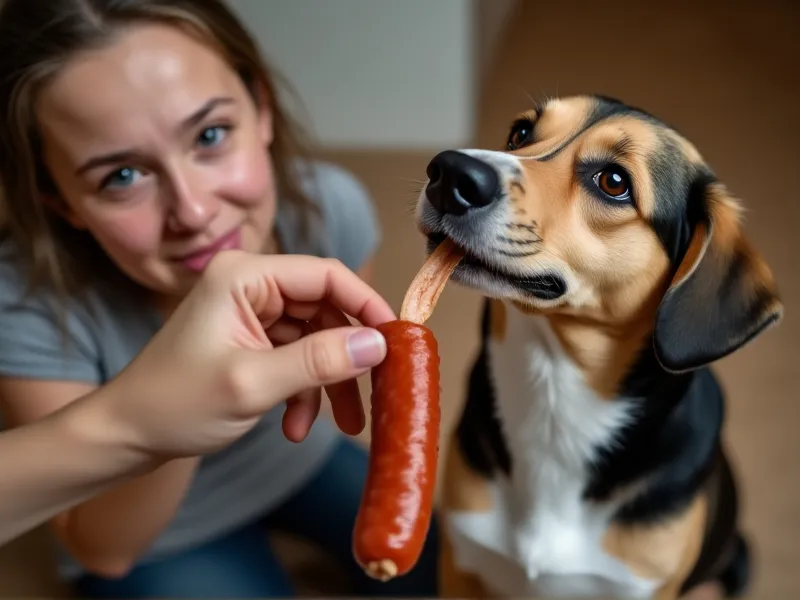
Table of Contents
- Can Dogs Eat Smoked Sausage? The Short Answer
- Potential “Benefits” of Smoked Sausage for Dogs (Spoiler: They’re Minimal)
- The Risks: Why Smoked Sausage Isn’t Ideal for Dogs
- How Much Smoked Sausage Is “Safe” for Dogs?
- Healthier Alternatives to Smoked Sausage
- FAQ: Your Smoked Sausage Questions Answered
- Conclusion: Prioritize Your Pup’s Health
Can Dogs Eat Smoked Sausage? The Short Answer
No, smoked sausage is not a safe or recommended treat for dogs. While a tiny, occasional bite might not immediately harm some dogs, the risks far outweigh any potential benefits. Smoked sausage is high in sodium, fat, and additives that can lead to serious health issues like pancreatitis, kidney problems, or digestive upset. For dogs with preexisting conditions (like heart disease or obesity), even a small amount could be dangerous.
Potential “Benefits” of Smoked Sausage for Dogs (Spoiler: They’re Minimal)
Let’s start with the good news—if you can call it that. Smoked sausage is made from meat, so it does contain some nutrients dogs need, like protein and trace minerals. For example:
- Protein: Meat-based sausages provide protein, which supports muscle health and energy.
- Iron and Zinc: These minerals (found in some meats) help with red blood cell production and immune function.
But here’s the catch: These nutrients are not unique to smoked sausage. In fact, they’re far better (and safer) when sourced from fresh, unprocessed meats like plain chicken, turkey, or beef. Smoked sausage’s processing (smoking, curing, seasoning) cancels out any minor nutritional perks by adding harmful ingredients. Think of it like comparing a candy bar to a spinach salad—both have calories, but one is packed with empty, harmful ones.
The Risks: Why Smoked Sausage Isn’t Ideal for Dogs
Now, let’s dive into the real reason smoked sausage is a no-go: the risks. Here’s why even a small bite could spell trouble for your pup:
1. High Sodium Content: A Recipe for Dehydration and Kidney Strain
Dogs need very little sodium to stay healthy. According to the Association of American Feed Control Officials (AAFCO), adult dogs require just 0.3% sodium in their diet (about 100–200 mg per day for a 50lb dog). Smoked sausage, however, is loaded with salt—often 400–600 mg per link! That’s 2–6 times the daily recommended amount for a medium-sized dog in one tiny serving.
Excess sodium causes:
- Dehydration: Thirst, dry gums, and reduced energy.
- Electrolyte imbalance: Which can lead to tremors, seizures, or even death in severe cases.
- Kidney damage: Over time, high sodium strains the kidneys, increasing the risk of chronic kidney disease (CKD).
2. Added Sugars and Artificial Ingredients
Many smoked sausages (especially flavored varieties like maple or honey-glazed) contain added sugars, corn syrup, or artificial sweeteners like xylitol. Xylitol is extremely toxic to dogs—even small amounts can cause a dangerous drop in blood sugar (hypoglycemia) or liver failure, according to the ASPCA.
Other additives, like MSG or artificial colors, can trigger allergic reactions or digestive upset (vomiting, diarrhea) in sensitive dogs.
3. Fatty Acids and Pancreatitis Risk
Smoked sausage is often high in saturated fat. While dogs need some fat in their diet, excess fat can lead to pancreatitis—a painful, potentially life-threatening condition where the pancreas becomes inflamed. Symptoms include vomiting, diarrhea, lethargy, and loss of appetite.
Pancreatitis is especially common in dogs who eat high-fat foods, and recovery often requires hospitalization. Even if your dog doesn’t develop full-blown pancreatitis, fatty foods can cause obesity, which increases the risk of diabetes, joint pain, and heart disease.
4. Choking Hazards: Casing, Bones, and Hard Bits
The casing of smoked sausage (often made from collagen or cellulose) is tough and indigestible. If your dog swallows a large piece, it could get stuck in their throat or intestines, causing choking or an obstruction. Some sausages also contain small bones or gristle, which can splinter and tear the digestive tract.
5. Smoke and Preservatives: Nitrates and Cancer Risk
Smoked sausage gets its flavor from smoke and curing agents like nitrates or nitrites. These preservatives help extend shelf life but are linked to health risks in dogs (and humans). The World Health Organization classifies processed meats (including smoked sausage) as Group 1 carcinogens, meaning they’re “known to cause cancer” in humans. While research on dogs is limited, it’s better to avoid exposing your pup to these chemicals unnecessarily.
How Much Smoked Sausage Is “Safe” for Dogs?
The honest answer: None is truly “safe.” Even a small bite (like a pea-sized piece) could cause stomach upset in sensitive dogs. For dogs with health issues (kidney disease, heart problems, or diabetes), even that tiny bite could be dangerous.
If your dog accidentally snatches a bite, monitor them for symptoms like vomiting, diarrhea, excessive thirst, or lethargy. If they ate more than a bite (or if they’re a small breed), contact your vet immediately.
Healthier Alternatives to Smoked Sausage
Instead of sharing smoked sausage, treat your dog to these safer, nutrient-dense options:
1. Plain, Cooked Lean Meats
Opt for unseasoned, cooked chicken, turkey, or beef. These are high in protein, low in fat, and free of additives. Just avoid bones, skin, or seasoning (no salt, garlic, or onion—those are toxic to dogs!).
2. Fresh Vegetables and Fruits
Many dogs love veggies like carrots, green beans, or sweet potatoes (cooked, plain). Fruits like blueberries, apples (without seeds), or bananas make great low-calorie treats.
3. Commercial Dog Treats
Look for treats made with high-quality, single-ingredient proteins (like freeze-dried chicken hearts or beef liver). Avoid treats with added sugars, salt, or artificial preservatives.
4. Homemade “Sausage” (Yes, Really!)
For a fun DIY treat, mix lean ground turkey with a little oats and water, form into small patties, and bake. No smoke, salt, or additives—just safe, tasty protein!
FAQ: Your Smoked Sausage Questions Answered
Q: Can puppies eat smoked sausage?
A: Puppies have smaller bodies and developing organs, making them even more sensitive to sodium, fat, and additives. Never feed smoked sausage to puppies—stick to age-appropriate puppy food and vet-approved treats.
Q: My dog ate a whole smoked sausage link! What should I do?
A: Call your vet immediately. A full link is high in sodium and fat, which can cause pancreatitis, vomiting, or electrolyte imbalance. Your vet may recommend inducing vomiting (if caught early) or monitoring for symptoms like diarrhea or lethargy.
Q: Is smoked turkey or chicken sausage safer than pork?
A: No. Turkey or chicken sausage is still processed, smoked, and high in sodium. The meat type doesn’t reduce the risks of additives, fat, or preservatives.
Q: What if my dog loves smoked sausage—can I give it as a rare treat?
A: We get it—those puppy eyes are hard to resist! But “rare” treats add up. Even occasional exposure to sodium and preservatives can harm your dog over time. Instead, find a safe treat they love (like plain chicken) and save that for special occasions.
Conclusion: Prioritize Your Pup’s Health
At the end of the day, sharing food with your dog is about love—but love means keeping them safe. Smoked sausage might taste delicious to us, but it’s full of hidden risks for our furry friends.
If you’re ever unsure about a human food, always consult your vet first. They can help you choose treats that fit your dog’s age, breed, and health needs.
Your dog doesn’t need smoked sausage to be happy—they just need your love, playtime, and a bowl of fresh water. And honestly? That’s the best treat of all.
References
- American Society for the Prevention of Cruelty to Animals (ASPCA). “Toxic and Non-Toxic Plants and Foods.”
- American Veterinary Medical Association (AVMA). “Pancreatitis in Dogs.”
- PetMD. “Sodium Intake for Dogs: How Much Is Too Much?”
- World Health Organization (WHO). “Processed Meats and Cancer Risk.”