· 8 min read
Can Dogs Eat Seaweed Salad? What Pet Parents Need to Know
It’s a sunny afternoon, and you’re savoring a bowl of seaweed salad—crunchy, briny, and packed with that fresh ocean flavor you love. Across the table, your dog, Bella, sits up straight, tail thumping, her big brown eyes locked on your fork. “Just a tiny bite?” she seems to beg. You hesitate. Seaweed is a superfood for humans, loaded with vitamins and minerals… but is it safe for your pup?
If you’ve ever wondered whether seaweed salad is a dog-friendly snack, you’re not alone. With seaweed’s rising popularity in human diets, pet parents are increasingly curious about sharing this “superfood” with their furry friends. The answer, though, isn’t a simple “yes” or “no.” Let’s dive into the details to keep Bella—and your peace of mind—safe.
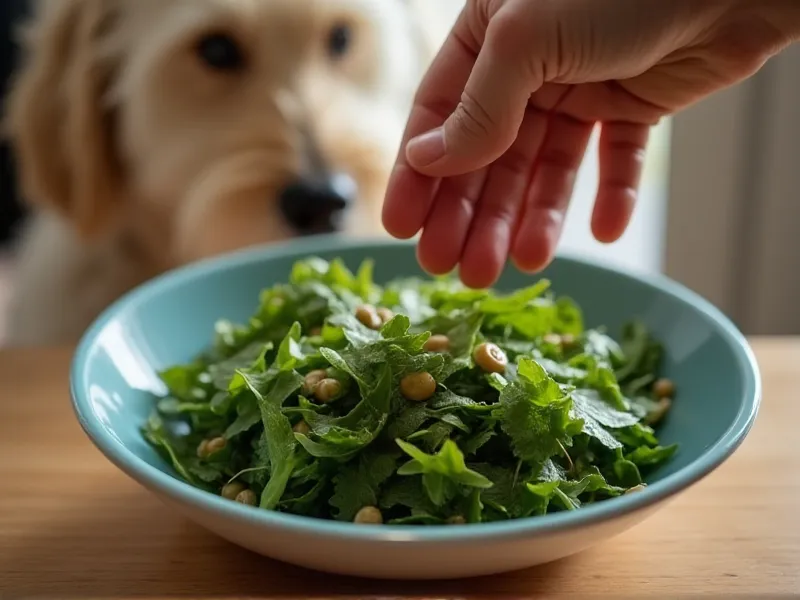
Table of Contents
- Can Dogs Eat Seaweed Salad? The Short Answer
- The Potential Benefits of Seaweed for Dogs (When Prepared Safely)
- The Risks of Feeding Seaweed Salad to Dogs (Why Store-Bought is a Red Flag)
- Safe Guidelines: If You Must Share, Here’s How
- Healthier Alternatives to Seaweed Salad for Dogs
- FAQ: Your Seaweed Salad Questions Answered
- Conclusion: Moderation and Vet Guidance Are Key
Can Dogs Eat Seaweed Salad? The Short Answer
No, most seaweed salads are not safe for dogs—especially store-bought versions. While plain, unseasoned seaweed (like nori or wakame) can offer some health benefits in small amounts, seaweed salad is typically loaded with added ingredients that are harmful to dogs, such as sugar, salt, soy sauce, vinegar, or sesame oil. These additives can cause digestive upset, sodium toxicity, or even long-term health issues.
That said, plain, homemade seaweed (without any seasonings or additives) might be safe in tiny quantities. But before you share, it’s critical to understand the risks and benefits.
The Potential Benefits of Seaweed for Dogs (When Prepared Safely)
Seaweed itself—think plain, dried nori sheets or unseasoned, cooked wakame—is packed with nutrients that could theoretically benefit dogs. Here’s what makes it a “superfood” for humans, and why some vets cautiously endorse it as an occasional treat:
Nutrient Powerhouse: Iodine, Vitamins, and Minerals
Seaweed is rich in essential nutrients that support your dog’s overall health:
- Iodine: Critical for thyroid function, which regulates metabolism, energy, and coat health. A deficiency can lead to weight gain, lethargy, or dry skin, while excess iodine can cause hyperthyroidism (more on that later).
- Vitamins: Seaweed contains vitamins A, C, E, and K, as well as B-vitamins like folate and riboflavin, which support immune function, vision, and cell repair.
- Minerals: It’s a great source of potassium (supports heart health), calcium (bone strength), and magnesium (muscle function).
Fiber for Digestive Health
Seaweed is high in soluble fiber, which can help regulate your dog’s digestion by supporting healthy gut bacteria and preventing constipation. For dogs with mild digestive issues, a tiny amount of plain seaweed might act as a gentle prebiotic—though it’s no substitute for veterinary care if your pup has chronic stomach problems.
Antioxidants and Immune Support
Seaweed contains antioxidants like fucoxanthin and phycocyanin, which fight free radicals and reduce inflammation. Some studies (in humans and animals) suggest these compounds may support immune function and even help reduce the risk of chronic diseases.
But here’s the catch: These benefits only apply to plain, unseasoned seaweed. Once you add the sauces, sugars, or salts found in seaweed salad, the risks far outweigh the rewards.
The Risks of Feeding Seaweed Salad to Dogs (Why Store-Bought is a Red Flag)
Most seaweed salads—whether from a restaurant, grocery store, or even homemade “human-style”—are loaded with ingredients that are dangerous for dogs. Let’s break down the biggest risks:
Hidden Sugars and Additives
Many commercial seaweed salads include added sugars, honey, or sweetened dressings to balance the brininess. Dogs have no nutritional need for sugar, and excess can lead to obesity, dental decay, or even diabetes over time. Some recipes also include garlic or onion powder (common in salad dressings), which are toxic to dogs and can damage red blood cells, causing anemia.
High Sodium Content
Sodium is the biggest concern with seaweed salad. Most recipes use soy sauce, tamari, or salt to enhance flavor, and even a small serving can contain dangerous levels of salt for dogs. For context: A 1-cup serving of store-bought seaweed salad can have 500–1,000 mg of sodium. A 20-pound dog should consume no more than 100 mg of sodium per day (according to the National Research Council). Feeding even a few bites could push them over the edge, leading to salt toxicity—symptoms include vomiting, diarrhea, excessive thirst, seizures, or even death in severe cases.
Choking Hazards and Digestive Upset
Seaweed salad is often made with long, stringy pieces of seaweed (like wakame or kombu), which can pose a choking risk, especially for small dogs or those who gulp their food. Additionally, the high fiber content in seaweed can cause digestive upset if your dog isn’t used to it—think gas, bloating, diarrhea, or vomiting.
Contamination Concerns
Not all seaweed is created equal. Seaweed absorbs pollutants from the water, including heavy metals (like mercury or arsenic) and microplastics, especially if harvested from polluted coastal areas. While humans can process small amounts, dogs are more sensitive to toxins, and long-term exposure could lead to health issues.
Bottom line: Store-bought or seasoned seaweed salad is not worth the risk. Even “healthy” homemade versions (with soy sauce or vinegar) can harm your dog.
Safe Guidelines: If You Must Share, Here’s How
If you’re determined to let your dog try seaweed (and your vet gives the okay), stick to plain, unseasoned, and carefully prepared seaweed—not seaweed salad. Follow these rules to minimize risk:
Opt for Homemade (No Additives!)
Skip the store-bought salad entirely. Instead, buy raw, dried, unsalted seaweed (like nori sheets or dried wakame) from a reputable brand (look for organic or “food-grade” to avoid contaminants). Rinse it thoroughly to remove any residual salt or debris, then soak or cook it in plain water until soft. Avoid any seasonings, oils, or sauces.
Keep Portions Tiny
Seaweed should be an occasional treat, not a regular part of your dog’s diet. A general rule:
- Small dogs (under 20 lbs): ¼–½ teaspoon of cooked, chopped seaweed per week.
- Medium dogs (20–50 lbs): ½–1 teaspoon per week.
- Large dogs (50+ lbs): 1–2 teaspoons per week.
Even this small amount can provide nutrients without overloading on iodine or fiber.
Chop It Finely to Avoid Choking
Long, stringy seaweed can get stuck in your dog’s throat or intestines. Chop cooked seaweed into tiny, bite-sized pieces before serving. For extra safety, mix it into their regular food so they chew slowly.
Monitor for Allergic Reactions
Like any new food, seaweed can cause allergies in some dogs. Watch for symptoms like itching, redness, swelling, vomiting, diarrhea, or difficulty breathing within 24 hours of feeding. If you notice any of these, contact your vet immediately.
Healthier Alternatives to Seaweed Salad for Dogs
If you want to treat your dog to a nutrient-rich snack, there are safer options than seaweed salad. These alternatives offer similar benefits without the risks:
Plain, Unsalted Nori Sheets
Dried, unsalted nori (the kind used in sushi) is a low-risk option. Tear off a tiny piece (no bigger than your thumbnail for small dogs) and offer it as a crunchy treat. Nori is low in calories and high in vitamins, making it a better choice than seaweed salad.
Cooked, Plain Veggies
Vegetables like carrots, cucumber, green beans, or spinach are packed with fiber, vitamins, and minerals—without the sodium or additives of seaweed salad. Steam or boil them (no salt!) for easier digestion, or serve raw (if your dog chews thoroughly).
Commercial Dog Treats with Seaweed
Some high-quality dog treats include seaweed as an ingredient, formulated specifically for canine nutrition. These are balanced for iodine and sodium levels, so you don’t have to worry about overdoing it. Look for brands like Zuke’s or Wellness that list “seaweed” or “nori” as a natural ingredient (avoid treats with added sugars or preservatives).
FAQ: Your Seaweed Salad Questions Answered
Q: Can puppies eat seaweed salad?
A: No. Puppies have sensitive digestive systems and developing thyroid glands, making them more vulnerable to sodium toxicity and iodine imbalances. Stick to puppy-safe treats like plain yogurt or cooked sweet potato instead.
Q: My dog stole a bite of my store-bought seaweed salad! Should I panic?
A: Probably not—if it was just a tiny bite. Monitor them for 24 hours for symptoms like vomiting, diarrhea, excessive thirst, or lethargy. If they ate a large amount (more than a few spoonfuls), contact your vet immediately, as high sodium can cause salt poisoning.
Q: Is all seaweed safe for dogs?
A: No. Some seaweed varieties, like bladderwrack or dulse, are higher in iodine and can cause thyroid issues if overfed. Stick to nori or wakame, and only in tiny amounts.
Q: Can seaweed help my dog’s thyroid?
A: Seaweed’s iodine content supports thyroid health, but it’s not a “cure” for thyroid issues. If your dog has hypothyroidism or hyperthyroidism, work with your vet to adjust their diet—don’t self-prescribe seaweed.
Conclusion: Moderation and Vet Guidance Are Key
Seaweed salad might be a healthy choice for you, but it’s generally not safe for dogs due to added sugars, sodium, and choking hazards. That said, plain, unseasoned seaweed (like nori or wakame) can offer nutrients in tiny, occasional amounts—if your vet approves.
When in doubt, skip the seaweed salad and opt for safer treats like cooked veggies or commercial dog snacks. And always consult your vet before introducing new foods to your dog’s diet, especially if they have health conditions like thyroid issues or kidney disease.
After all, Bella’s begging eyes are hard to resist—but keeping her healthy is the greatest treat of all.
References
- American Society for the Prevention of Cruelty to Animals (ASPCA). “People Foods to Avoid Feeding Your Pets.” aspca.org
- PetMD. “Can Dogs Eat Seaweed?” petmd.com
- American Kennel Club (AKC). “Can Dogs Eat Seaweed?” akc.org
- Coates, J. (2020). “Seaweed for Dogs: Benefits and Risks.” Whole Dog Journal. wholedogjournal.com