· 7 min read
Can Dogs Eat Scooby-Doo Graham Crackers? A Pet Parent’s Guide to Safe Snacking
We’ve all been there: you’re curled up on the couch, munching on a handful of Scooby-Doo Graham Crackers (because nostalgia, right?), when your dog plops their head on your lap, eyes wide, tail thumping. That look—“Can I have a bite?”—is impossible to resist. But before you hand over a crumb, you pause: Is this safe for my pup?
If you’ve ever wondered, “Can dogs eat Scooby-Doo Graham Crackers?” you’re not alone. As pet parents, we want to share life’s little joys with our furry friends, but their health always comes first. Let’s dive into the details: Are these iconic crackers a harmless treat or a hidden risk?
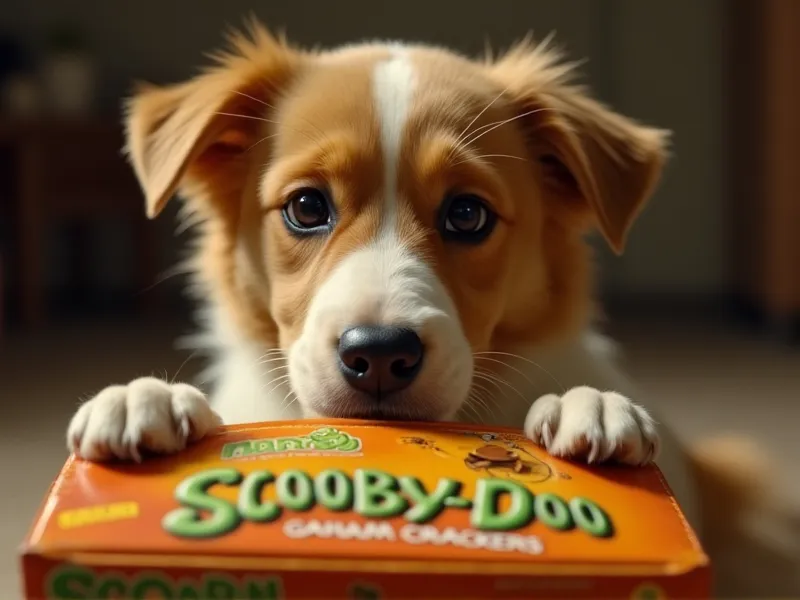
Table of Contents
- Can Dogs Eat Scooby-Doo Graham Crackers? The Short Answer
- What Are Scooby-Doo Graham Crackers, Anyway?
- Potential “Benefits”: Are There Any?
- Risks to Watch Out For
- Safe Feeding Guidelines (If You Must Share)
- Healthier Alternatives to Scooby-Doo Graham Crackers
- FAQ: Your Scooby-Doo Graham Cracker Questions Answered
- Conclusion: Prioritize Your Pup’s Health
Can Dogs Eat Scooby-Doo Graham Crackers? The Short Answer
Yes, but only in tiny, occasional amounts.
Scooby-Doo Graham Crackers aren’t toxic to dogs, but they’re far from a “healthy” treat. These crackers are processed, high in sugar, and lack the nutrients your dog needs. Think of them as a once-in-a-blue-moon indulgence—not a regular part of their diet.
If you do share a crumb, keep it small, monitor your dog for reactions, and never make it a habit.
What Are Scooby-Doo Graham Crackers, Anyway?
Before we weigh the pros and cons, let’s break down what’s in these nostalgic snacks. Scooby-Doo Graham Crackers are a brand of sweetened graham crackers made by Kellogg’s, designed to mimic the classic “Scooby Snack” from the Scooby-Doo cartoons.
Their ingredient list typically includes:
- Enriched flour (wheat flour fortified with vitamins like niacin and iron)
- Sugar (a primary ingredient—often high-fructose corn syrup or cane sugar)
- Honey (for added sweetness)
- Vegetable oil (canola or soybean oil)
- Salt
- Leavening agents (baking soda, calcium phosphate)
- Natural/artificial flavors (to mimic that “graham” taste)
- Soy lecithin (an emulsifier)
Notice the star here? Sugar. A single serving (about 4 crackers) can contain 8–10 grams of sugar—more than a dog needs in a day.
Potential “Benefits”: Are There Any?
Let’s be real: Scooby-Doo Graham Crackers aren’t a nutritional powerhouse. Any “benefits” are minimal and far outweighed by the risks. But for transparency, here’s what might be in them:
Trace Nutrients from Enriched Flour
Enriched flour adds small amounts of iron, thiamin (B1), riboflavin (B2), and folic acid. These are essential for dogs, but the amounts in a cracker are negligible. Your dog gets far more from their balanced dog food.
Tiny Bits of Fiber
If the crackers use whole-grain flour (unlikely—most graham crackers, including Scooby-Doo, use refined flour), there might be a smidge of fiber. But “enriched” doesn’t mean “whole grain.” Most graham crackers are made with white flour, so fiber is minimal.
A Dash of Potassium from Honey
Honey contains small amounts of potassium, which supports heart and muscle health. But again: A single cracker has so little honey that the potassium boost is irrelevant.
Bottom line: There’s no nutritional reason to feed your dog Scooby-Doo Graham Crackers. They’re a “fun” snack, not a functional one.
Risks to Watch Out For
Now, the important part: The risks of sharing these crackers with your dog are very real. Let’s break them down:
1. Too Much Sugar = Big Health Risks
Dogs’ bodies aren’t designed to process large amounts of sugar. Excess sugar can lead to:
- Obesity: Extra calories from sugar quickly add up, leading to weight gain and joint strain.
- Dental disease: Sugar feeds harmful bacteria in your dog’s mouth, causing plaque, tartar, and cavities.
- Pancreatitis: In rare cases, a sugar overload can trigger inflammation of the pancreas (pancreatitis), which is painful and life-threatening.
- Diabetes: Chronic sugar intake may increase the risk of insulin resistance and diabetes over time.
Even a few crackers can spike your dog’s blood sugar, especially small breeds or dogs with preexisting conditions (like obesity or diabetes).
2. Stomach Upset
Dogs thrive on routine—their digestive systems aren’t built for processed human snacks. Introducing something like a graham cracker can throw things off, leading to:
- Diarrhea
- Vomiting
- Gas or bloating
Puppies, senior dogs, or dogs with sensitive stomachs are even more likely to react.
3. Choking Hazard
Graham crackers are dry and crumbly. A small piece might get stuck in your dog’s throat, especially if they gulp it down. Small breeds (Chihuahuas, Yorkies) are at higher risk.
4. Additives and Unnecessary Ingredients
Some Scooby-Doo Graham Crackers may contain artificial colors, flavors, or preservatives. While these aren’t toxic, they can irritate sensitive dogs. For example, red dye #40 has been linked to allergic reactions in some pets.
Safe Feeding Guidelines (If You Must Share)
If you’re dead set on sharing a tiny taste (we get it—those puppy eyes!), follow these rules:
1. Keep Portions Microscopic
- Small dogs (under 20 lbs): ½ of a single cracker square (break it into even smaller pieces).
- Medium dogs (20–50 lbs): 1 small square.
- Large dogs (50+ lbs): 1–2 squares.
Never feed a whole cracker, and never more than once a month (if that).
2. Avoid Flavored Varieties
Stick to plain Scooby-Doo Graham Crackers. Flavors like chocolate, cinnamon, or “birthday cake” may add extra sugar, spices, or even toxic ingredients (chocolate is very dangerous for dogs).
3. Monitor for Reactions
After sharing, watch for:
- Vomiting or diarrhea
- Lethargy
- Excessive thirst/urination (signs of sugar spikes)
If you see any of these, contact your vet.
4. Never Replace Dog Food
Graham crackers have zero nutritional value for dogs. They shouldn’t replace treats, meals, or supplements.
Healthier Alternatives to Scooby-Doo Graham Crackers
Instead of reaching for the Scooby-Doo box, try these dog-safe snacks that are tasty and good for them:
1. Fresh Fruits (In Moderation)
- Apples (core and seeds removed—high in fiber and vitamin C).
- Bananas (a small slice—rich in potassium and vitamin B6).
- Blueberries (antioxidant-packed and low in calories).
2. Crunchy Veggies
- Carrots (low-calorie, high in beta-carotene—great for teeth!).
- Cucumber (hydrating and crunchy, with no sugar).
- Sweet potato (baked or dehydrated—fiber and vitamins A/C).
3. Whole-Grain Dog Treats
Look for commercial treats with:
- Whole grains (oats, brown rice)
- No added sugar
- Limited ingredients (e.g., “oatmeal and peanut butter” treats).
4. Plain Rice Cakes
Unsalted, unflavored rice cakes are low in calories and a crunchy alternative to graham crackers.
5. Pumpkin (Unsweetened)
A spoonful of plain canned pumpkin (not pie filling!) is high in fiber and great for digestion.
FAQ: Your Scooby-Doo Graham Cracker Questions Answered
Q: My dog stole a whole sleeve of Scooby-Doo Graham Crackers! What should I do?
A: Don’t panic, but monitor them closely. A large sugar intake could cause vomiting, diarrhea, or pancreatitis. Call your vet if they show signs of distress (lethargy, bloating, or loss of appetite).
Q: Can puppies eat Scooby-Doo Graham Crackers?
A: No. Puppies have sensitive digestive systems and are still growing. Sugar can disrupt their development and lead to lifelong habits of begging.
Q: Are “low-sugar” graham crackers safer?
A: Even “low-sugar” varieties have sugar. They’re still processed and not ideal for dogs.
Q: What if my dog is allergic to wheat?
A: Skip the graham crackers entirely! Wheat is a common allergen for dogs, and even a crumb could trigger itching, ear infections, or stomach issues.
Conclusion: Prioritize Your Pup’s Health
At the end of the day, sharing a tiny crumb of Scooby-Doo Graham Cracker with your dog won’t hurt them—occasionally. But these crackers are a treat for you, not them.
Your dog’s health thrives on a balanced diet of high-quality dog food, fresh water, and nutrient-dense treats. Save the Scooby-Doo snacks for yourself, and spoil your pup with something that fuels their body (and their tail wags!).
When in doubt, always consult your vet before introducing new foods. They know your dog’s unique needs best.
Here’s to happy, healthy snacking—for both you and your four-legged friend!
Sources:
- American Society for the Prevention of Cruelty to Animals (ASPCA). “People Foods to Avoid Feeding Your Pets.”
- VCA Animal Hospitals. “Nutrition for Dogs.”
- American Kennel Club (AKC). “The Best Healthy Dog Treats.”
- Kellogg’s. “Scooby-Doo Graham Crackers: Nutrition Facts.”