· 7 min read
Can Dogs Eat Salted Cashews? What Pet Parents Need to Know
It’s a lazy Sunday afternoon, and you’re curled up on the couch with a bowl of salted cashews, enjoying the game. Suddenly, you feel a wet nose nudge your hand—your dog, with those big, soulful eyes, is begging for a taste. You pause: “Can I share a cashew with my pup?” It’s a common moment for pet parents, but before you hand over that salty snack, let’s dive into what you need to know about dogs and salted cashews. Are they a harmless treat, or a hidden risk? Let’s break it down.
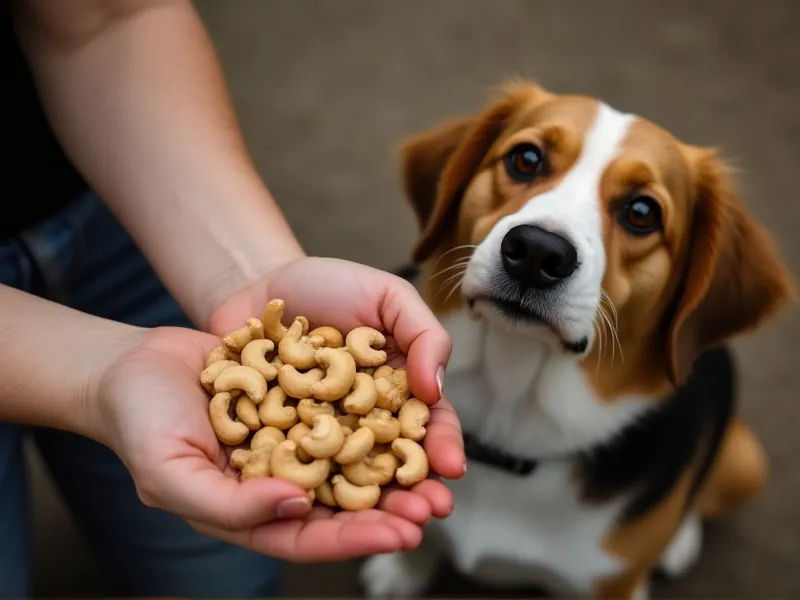
Table of Contents
- Can Dogs Eat Salted Cashews? The Short Answer
- The Nutritional Profile of Cashews: What’s in It for Dogs?
- Potential Benefits of Cashews for Dogs (When Given Correctly)
- The Risks of Salted Cashews: Why They’re a Concern
- How Much Cashew is Safe? Guidelines for Pet Parents
- Healthier Alternatives to Salted Cashews
- FAQ: Your Questions Answered
- Conclusion: Snacking Safely with Your Pup
Can Dogs Eat Salted Cashews? The Short Answer
No, dogs should not eat salted cashews. While plain, unsalted cashews might be safe for dogs in tiny, occasional amounts, salted cashews pose significant risks due to their high sodium content. The added salt, combined with other potential hazards (like choking or digestive upset), makes them a poor choice for sharing with your furry friend.
To put it simply: Cashews themselves aren’t toxic to dogs, but the “salted” part is the problem. Let’s unpack why.
The Nutritional Profile of Cashews: What’s in It for Dogs?
Before we talk about salted cashews, let’s understand what a plain, unsalted cashew offers. Cashews are a nutrient-dense nut, packed with:
- Healthy fats: Monounsaturated fats, which support heart health in moderation.
- Protein: About 5g per ounce, which helps maintain muscle mass.
- Fiber: 1g per ounce, aiding digestion.
- Vitamins and minerals: Including magnesium (supports bone health), potassium (regulates blood pressure), and vitamin E (an antioxidant).
But here’s the catch: Dogs have very different nutritional needs than humans. Their bodies aren’t designed to process large amounts of fat or salt, and cashews—even plain ones—are calorie-dense (about 160 calories per ounce). For a 30-pound dog, that’s roughly 10% of their daily calorie needs in just one small handful!
Potential Benefits of Cashews for Dogs (When Given Correctly)
Plain, unsalted cashews can offer minor benefits—if given sparingly and prepared properly. Here’s what they might contribute:
1. A Source of Healthy Fats (In Tiny Doses)
The monounsaturated fats in cashews may support skin and coat health, but only when not overdone. Too much fat, however, leads to obesity or pancreatitis (more on that later).
2. Trace Minerals for Overall Health
Magnesium helps with nerve function and bone strength, while potassium supports heart health. These are present in small amounts, so cashews shouldn’t replace a balanced dog food diet—they’re just a bonus.
3. A Low-Sugar, Occasional Treat
Unlike many human snacks (looking at you, cookies!), plain cashews have no added sugar. For dogs with diabetes or weight issues, this makes them a better option than sugary treats—but again, only in tiny portions.
The Risks of Salted Cashews: Why They’re a Concern
Now, let’s get to the main issue: salted cashews. The added salt transforms a “maybe okay in moderation” snack into a potential health hazard. Here’s why:
1. Sodium Poisoning: A Hidden Danger
Dogs need very little sodium—about 100-200mg per day for a medium-sized dog (30-50 lbs). A single salted cashew can contain 10-15mg of sodium, and a handful (say, 10 cashews) could deliver 100-150mg—nearly their entire daily limit!
Excess sodium causes hypernatremia (sodium poisoning), with symptoms like:
- Excessive thirst and urination
- Vomiting or diarrhea
- Lethargy or confusion
- Tremors or seizures (in severe cases)
In extreme cases, sodium poisoning can lead to brain swelling or organ failure. Even “lightly salted” cashews are risky—there’s no such thing as “too little” added salt when it comes to dogs.
2. High Fat Content: A Recipe for Pancreatitis
Cashews are 75% fat by weight. While some fat is good, sudden or large doses of high-fat foods can trigger pancreatitis—an inflammation of the pancreas. Symptoms include severe abdominal pain, vomiting, diarrhea, and loss of appetite. Pancreatitis is painful and can be life-threatening, requiring immediate veterinary care.
3. Choking Hazard: Especially for Small Dogs
Whole cashews are small, hard, and round—perfect for getting stuck in a dog’s throat, especially small breeds (like Chihuahuas or Yorkies) or dogs who gulp food without chewing. Even if they swallow it, a cashew could block the digestive tract, leading to an obstruction (another emergency).
4. Added Flavors or Additives
Many salted cashews also include extra ingredients: garlic powder, onion powder, or artificial flavors. Garlic and onions are toxic to dogs, as they damage red blood cells and cause anemia. Always check the label—if it’s more than “cashews + salt,” it’s even riskier.
How Much Cashew is Safe? Guidelines for Pet Parents
If you’re tempted to share a plain, unsalted cashew (never salted!), here’s how to do it safely:
👉 For Plain, Unsalted Cashews Only
- Small dogs (5-20 lbs): 1-2 halved cashews, once a week at most.
- Medium dogs (20-50 lbs): 2-3 halved cashews, once a week at most.
- Large dogs (50+ lbs): 3-4 halved cashews, once a week at most.
👉 Never Feed:
- Salted, honey-roasted, or flavored cashews.
- Whole cashews (always break into pieces to avoid choking).
- Cashews to dogs with health issues: pancreatitis, kidney disease, obesity, or diabetes.
👉 When in Doubt: Skip It
If your dog has a sensitive stomach, is prone to weight gain, or you’re unsure, stick to dog-specific treats. Cashews should never replace a balanced diet—they’re a “sometimes” snack, not a staple.
Healthier Alternatives to Salted Cashews
Instead of sharing salted cashews, try these dog-safe treats that are lower in fat, sodium, and calories:
🥕 Veggies
- Carrot sticks: Crunchy, low-calorie, and full of fiber.
- Green beans: Fresh or frozen (thawed), a great source of vitamins.
- Cucumber slices: Hydrating and gentle on tummies.
🍎 Fruits (In Moderation)
- Blueberries: Packed with antioxidants.
- Apple slices (no seeds!): A sweet, fiber-rich treat.
- Banana: A small slice (high in potassium, but high in sugar—limit to occasionally).
🥜 Safer Nuts (Still in Tiny Portions)
- Unsalted peanuts (no xylitol!): A better option than cashews, but still high in fat.
- Unsalted pistachios (shelled!): Lower in fat than cashews, but only a few at a time.
🦴 Dog-Specific Treats
Look for low-sodium, grain-free treats made with real ingredients (e.g., chicken jerky, pumpkin biscuits). These are formulated to meet your dog’s nutritional needs.
FAQ: Your Questions Answered
Q: My dog stole a salted cashew off the coffee table! Should I panic?
A: Probably not—one cashew is unlikely to cause harm, but monitor them for 24 hours. If they show signs of sodium poisoning (excessive thirst, vomiting) or choking, call your vet.
Q: Can puppies have cashews?
A: Puppies have sensitive digestive systems, so it’s best to avoid cashews (and most nuts) until they’re fully grown (1-2 years old). Stick to puppy-safe treats instead.
Q: Are other nuts safer than cashews?
A: Some are less risky, but none are “safe” in large amounts. Peanuts (unsalted, no xylitol) and pistachios (shelled, unsalted) are lower in fat than cashews, but still high-calorie. Avoid macadamia nuts (toxic to dogs!), walnuts (high in fat), and almonds (hard to digest).
Q: What if my dog has pancreatitis—can they ever have cashews?
A: No. Dogs with pancreatitis need a low-fat diet, and cashews are far too high in fat. Even a small amount could trigger a flare-up.
Conclusion: Snacking Safely with Your Pup
Sharing a snack with your dog is a sweet way to bond, but when it comes to salted cashews, it’s better to say “no.” The added salt, high fat, and choking risk make them a poor choice, even in small amounts.
If you want to treat your pup, opt for plain, unsalted cashews (sparingly!) or healthier alternatives like carrots or blueberries. And when in doubt, ask your vet—they know your dog’s health history and can recommend the best treats for their needs.
At the end of the day, your dog’s favorite “treat” is probably just spending time with you. A game of fetch, a belly rub, or a walk around the block might mean more than any cashew ever could.
Stay safe, and happy snacking (for both of you!)