· 9 min read
Can Dogs Eat Salmon Skin with Scales? A Pet Parent’s Guide to Safe Treats
It’s a quiet evening, and you’re enjoying a perfectly seared salmon fillet—crispy skin, golden edges, and that mouthwatering aroma that fills the kitchen. Across the table, your dog sits, tail thumping a steady rhythm, eyes locked on the plate. You can almost hear their thoughts: “Is that for me? Please?” Before you toss them a piece, you pause. Salmon is often hailed as a superfood for dogs, but what about the skin—with scales? Are those shiny little flakes safe, or could they spell trouble for your pup?
If you’ve ever wondered whether salmon skin with scales is a safe snack for your furry friend, you’re not alone. In this guide, we’ll break down the benefits, risks, and best practices to help you decide if this fishy treat deserves a spot in your dog’s bowl. Spoiler: The answer isn’t a simple “yes” or “no”—it depends on preparation, portion size, and your dog’s unique needs. Let’s dive in!
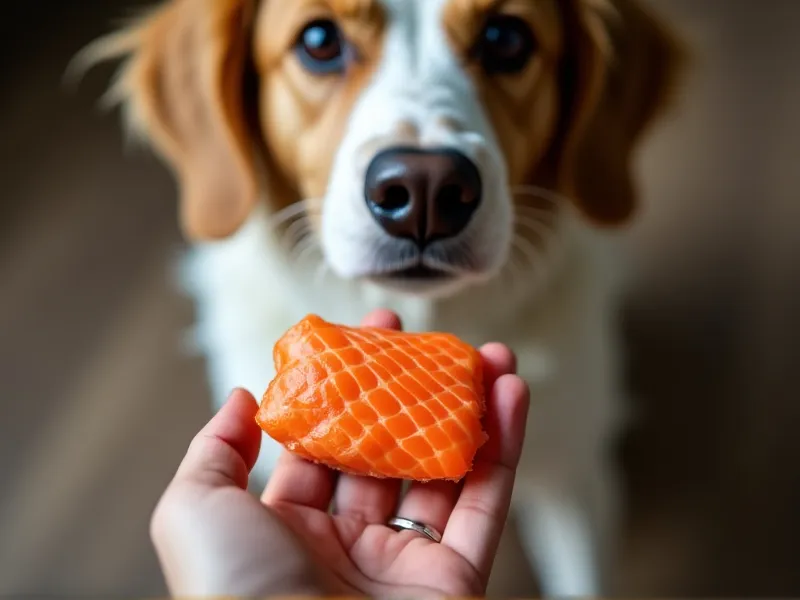
Table of Contents
- Can Dogs Eat Salmon Skin with Scales? The Short Answer
- The Benefits of Salmon Skin for Dogs
- The Risks to Watch Out For
- Safe Guidelines: How to Feed Salmon Skin to Your Dog
- Healthier Alternatives to Salmon Skin with Scales
- Frequently Asked Questions (FAQ)
- Conclusion: Enjoy in Moderation, Consult Your Vet
Can Dogs Eat Salmon Skin with Scales? The Short Answer
Yes, dogs can eat salmon skin with scales—but only under specific conditions. The skin itself is packed with nutrients, and scales (when cooked) are generally not toxic. However, there are important caveats: the salmon must be fully cooked, unseasoned, and cut into small, manageable pieces. Scales can pose choking or digestive risks if not prepared properly, and raw or improperly cooked salmon carries serious health hazards. Let’s unpack the details.
The Benefits of Salmon Skin for Dogs
Salmon skin (scales included) isn’t just a tasty scrap—it’s a nutrient-dense addition to your dog’s diet, when served right. Here’s why it might be worth sharing (in moderation):
1. Omega-3 Fatty Acids: A Boost for Skin, Coat, and Joints
Salmon skin is rich in omega-3 fatty acids (EPA and DHA), which are superheroes for dogs’ health. These fats reduce inflammation, support joint health (great for senior dogs or active pups), and promote a shiny, itch-free coat. If your dog struggles with dry skin or allergies, omega-3s can help soothe irritation.
2. High-Quality Protein
Protein is the building block of a dog’s diet, supporting muscle growth, repair, and overall energy. Salmon skin is a lean source of protein, making it a good occasional treat for dogs of all ages (puppies to seniors).
3. Fiber from Scales (in Small Amounts)
Fish scales are mostly made of collagen and chitin, a fibrous substance. While dogs don’t digest chitin as efficiently as humans, small amounts can act as dietary fiber, supporting gut health by promoting regular digestion. Think of it as a tiny “fiber boost”—nothing dramatic, but a nice bonus.
4. Vitamins and Minerals
Salmon skin also contains small amounts of vitamins B12 (supports nerve function), vitamin D (aids calcium absorption), and minerals like selenium (an antioxidant) and potassium (regulates blood pressure). These nutrients work together to keep your dog’s body running smoothly.
The Risks to Watch Out For
While salmon skin has benefits, it’s not without risks. Here’s what to avoid:
1. Choking Hazard
Salmon skin is thin but can be tough, especially if not cut into small pieces. Large chunks may get stuck in your dog’s throat, leading to choking. Scales, though small, can also be sharp if the skin is undercooked, increasing the risk of irritation or blockage in the esophagus or intestines.
2. Parasites and Bacteria in Raw Salmon
Raw or undercooked salmon is a big no-no. Salmon (and other fish like trout or steelhead) can carry a parasite called Nanophyetus salmincola, which hosts a harmful bacteria called Neorickettsia helminthoeca. This causes salmon poisoning disease (SPD), a potentially fatal condition in dogs. Symptoms include vomiting, diarrhea, fever, and lethargy—if left untreated, SPD can kill a dog within 10 days. Cooking salmon thoroughly (to an internal temperature of 145°F/63°C) kills these parasites and bacteria, making it safe.
3. Toxic Seasonings
Many human-prepared salmon dishes include garlic, onion, salt, pepper, or lemon—all of which are dangerous for dogs. Garlic and onion contain thiosulfate, which damages red blood cells and causes anemia. Excess salt leads to dehydration or sodium ion poisoning, and lemon can irritate the stomach. Always serve salmon skin plain, with no added ingredients.
4. Digestive Upset
Even cooked salmon skin can cause stomach issues in sensitive dogs. The high fat content may lead to pancreatitis (inflammation of the pancreas) in dogs prone to the condition, especially if fed in large amounts. Symptoms of pancreatitis include vomiting, diarrhea, and abdominal pain—seek vet care immediately if you notice these.
Safe Guidelines: How to Feed Salmon Skin to Your Dog
If you want to share salmon skin with your pup, follow these rules to keep them safe:
1. Cook It Thoroughly
Raw salmon is never safe—always cook the skin until it’s flaky and opaque. Baking, boiling, or grilling (without oil) works best. Avoid frying, as added oil increases fat content and pancreatitis risk.
2. Skip the Seasoning
No salt, pepper, garlic, onion, herbs, or sauces. Even a sprinkle of salt can be too much for dogs (they need only 0.25g of sodium per kilogram of body weight daily). Plain, unseasoned skin is the way to go.
3. Cut into Small, Bite-Sized Pieces
Salmon skin can be chewy, so cut it into strips no longer than 1–2 inches. This reduces choking risk and makes it easier for your dog to chew. For small breeds (e.g., Chihuahuas), even smaller pieces are better.
4. Limit Portions: Treat, Not a Meal
Salmon skin should be an occasional treat, not a staple. Aim for no more than 10% of your dog’s daily calorie intake. For example, a 30-pound dog needs about 700 calories a day—so 70 calories from salmon skin is plenty (roughly 1–2 small strips). Overfeeding can lead to weight gain or digestive upset.
5. Watch for Allergies or Sensitivities
If your dog has never eaten salmon before, start with a tiny piece (the size of a dime) and monitor for 24 hours. Signs of an allergic reaction include itching, hives, swelling, or vomiting. If you notice any, stop feeding salmon skin and consult your vet.
The Risks to Watch Out For
We touched on risks earlier, but let’s dive deeper into the most critical ones to keep your pup safe:
1. Salmon Poisoning Disease (SPD) from Raw Salmon
Raw or undercooked salmon (including skin) can carry the parasite Nanophyetus salmincola, which harbors the bacteria Neorickettsia helminthoeca. When a dog eats infected salmon, the bacteria multiply in their gut, causing SPD. Symptoms appear 6–10 days later and include:
- Vomiting
- Diarrhea (sometimes bloody)
- Fever
- Loss of appetite
- Lethargy
SPD is treatable with antibiotics, but without care, it can be fatal. Always cook salmon thoroughly to kill the parasite.
2. Choking or Intestinal Blockage
Scales are small, but they’re hard and can be sharp if the skin isn’t fully cooked. A large piece of skin (or a whole strip) could get stuck in your dog’s throat or intestines, leading to blockage—a life-threatening emergency. Signs of blockage include vomiting, inability to poop, or abdominal pain.
3. High Fat Content (Pancreatitis Risk)
While salmon skin is leaner than, say, bacon, it still contains fat. Dogs with a history of pancreatitis (inflammation of the pancreas) or sensitive stomachs are at higher risk of flare-ups if they eat fatty treats. If your dog falls into this category, skip the skin altogether.
Healthier Alternatives to Salmon Skin with Scales
If you’re hesitant about scales or want safer salmon-based treats, try these alternatives:
1. Cooked Salmon Flesh (No Skin)
The flesh of salmon is just as nutritious as the skin (omega-3s, protein) but has no scales or tough texture. It’s easier to digest and lower in choking risk. Simply bake or poach a small piece of salmon fillet, flake it, and mix it into your dog’s kibble as a treat.
2. Canned Salmon (No Salt, No Skin)
Look for canned salmon packed in water (not oil or salt). Drain it well and remove any bones (canned salmon bones are soft and safe, but some dogs dislike them). It’s a convenient, affordable way to give your dog omega-3s without the skin or scales.
3. Sardines (with Soft Bones)
Sardines are tiny, oily fish rich in omega-3s, calcium (from soft, edible bones), and protein. They’re low in mercury and easy to digest. Look for sardines in water (no salt) and serve 1–2 as a treat.
4. Commercial Salmon Dog Treats
For peace of mind, opt for dog treats specifically formulated with salmon. Brands like Blue Buffalo or Wellness make salmon-flavored biscuits or jerky that are portion-controlled, balanced, and free of harmful additives.
Frequently Asked Questions (FAQ)
Q: Can puppies eat salmon skin with scales?
A: Puppies can try small amounts of cooked, unseasoned salmon skin, but proceed with caution. Their digestive systems are sensitive, so start with a tiny piece and watch for upset tummies. Avoid if your puppy has a history of diarrhea.
Q: My dog ate raw salmon skin—what should I do?
A: Contact your vet immediately. Raw salmon may carry SPD-causing parasites. Even if your dog seems fine, monitor for symptoms (vomiting, fever) for 10 days. Early treatment is key.
Q: Is smoked salmon skin safe for dogs?
A: No. Smoked salmon is high in sodium (used for preservation) and often contains added sugars or seasonings. Too much salt can lead to sodium ion poisoning, causing vomiting, seizures, or even death.
Q: Can dogs with pancreatitis eat salmon skin?
A: No. Salmon skin is high in fat, which can trigger pancreatitis flare-ups. Stick to low-fat treats like plain cooked chicken or pumpkin for dogs with this condition.
Q: How often can I feed my dog salmon skin?
A: Once or twice a week is plenty. Overdoing it can lead to weight gain or nutrient imbalances.
Conclusion: Enjoy in Moderation, Consult Your Vet
Salmon skin with scales can be a tasty, nutrient-rich treat for dogs—when done right. Cook it thoroughly, skip the seasoning, cut it small, and serve in moderation. The omega-3s, protein, and fiber are great for your pup, but the risks (choking, parasites, pancreatitis) are real if you cut corners.
Every dog is different, though. If your dog has allergies, digestive issues, or health conditions (like pancreatitis), salmon skin might not be the best choice. When in doubt, chat with your vet—they’ll help you decide what’s safe for your unique fur baby.
At the end of the day, sharing a little salmon skin (cooked, of course!) is a sweet way to bond with your dog. Just remember: treats are meant to be special, not a daily habit. Enjoy those tail wags, and happy snacking!
References
- American Kennel Club (AKC). “Can Dogs Eat Salmon?” akc.org
- PetMD. “Salmon Poisoning Disease in Dogs.” petmd.com
- VCA Hospitals. “Nutrition: Omega-3 Fatty Acids for Dogs and Cats.” vcahospitals.com
- Cummings School of Veterinary Medicine at Tufts University. “Feeding Fish to Your Pet.” tuftscvm.org