· 8 min read
Can Dogs Eat Salmon Skin Cooked? Benefits, Risks, and Safe Feeding Guide
Picture this: It’s a cozy Saturday evening, and you’ve just pulled a golden, flaky salmon fillet out of the oven. The skin is crispy, fragrant, and irresistible—and you’re not the only one who thinks so. Your dog, tail thumping, has planted themselves at your feet, puppy eyes locked on that shiny piece of skin dangling from your fork. “Can they have a bite?” you wonder. “Is salmon skin safe for dogs?”
If you’ve ever asked yourself this question, you’re not alone. Salmon is a popular “superfood” for humans, packed with nutrients, and its skin is often the most coveted part. But when it comes to our furry friends, we need to be careful about what we share. In this guide, we’ll break down whether cooked salmon skin is safe for dogs, its benefits, potential risks, and how to serve it responsibly. Spoiler: The answer might surprise you—and yes, there’s good news for both you and your pup.
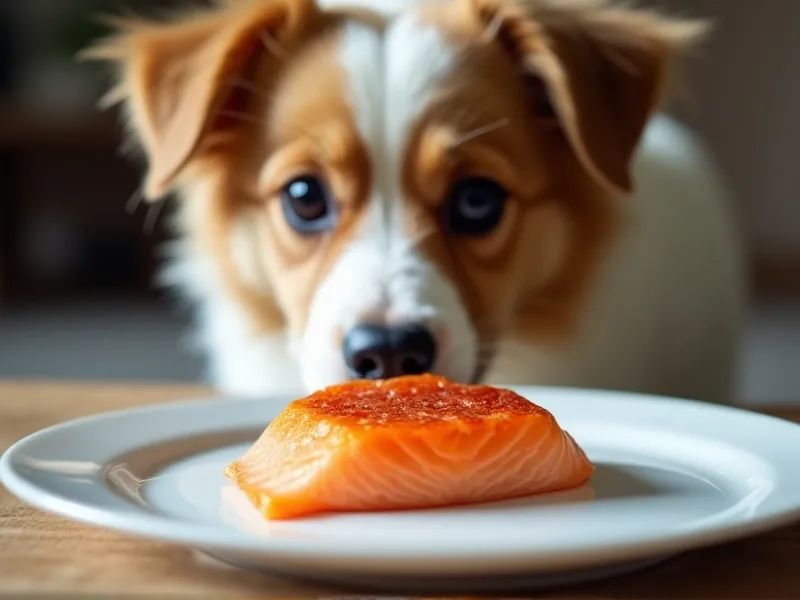
Table of Contents
- Can Dogs Eat Cooked Salmon Skin? The Short Answer
- The Benefits of Cooked Salmon Skin for Dogs
- Omega-3 Fatty Acids: A Coat and Joint Boost
- High-Quality Protein for Muscle Health
- Fiber for Digestive Regularity
- Potassium: Supporting Heart and Nerve Function
- Potential Risks to Watch For
- Hidden Seasonings and Additives
- Choking Hazards: Size and Texture Matter
- Stomach Upset from Overindulgence
- Lingering Bones: A Hidden Danger
- How Much Cooked Salmon Skin Can Dogs Eat?
- Healthier Alternatives (If Salmon Skin Isn’t Right for Your Pup)
- Frequently Asked Questions (FAQ)
- Conclusion: Enjoy Moderation and Consult Your Vet
- References
Can Dogs Eat Cooked Salmon Skin? The Short Answer
Yes, dogs can safely eat cooked salmon skin—in moderation, and when prepared properly.
Salmon skin is not toxic to dogs, and in fact, it’s packed with nutrients that can benefit their health. However, there are important caveats: the skin must be plain (no added seasonings, salt, sugar, or oils), thoroughly cooked (to kill parasites), and free of bones. When served this way, it can be a tasty, nutrient-dense treat for your pup.
The Benefits of Cooked Salmon Skin for Dogs
Salmon skin isn’t just a crispy snack—it’s a nutritional powerhouse. Here’s why it might be worth sharing (in small doses):
Omega-3 Fatty Acids: A Coat and Joint Boost
Salmon (and its skin) is rich in omega-3 fatty acids, specifically EPA (eicosapentaenoic acid) and DHA (docosahexaenoic acid). These healthy fats are superheroes for dogs:
- Shinier Coat & Healthier Skin: Omega-3s reduce inflammation, which can soothe dry, itchy skin and make your dog’s fur soft and glossy.
- Joint Support: They may ease stiffness in dogs with arthritis or joint pain by reducing inflammation in the joints.
- Brain & Eye Health: DHA is crucial for cognitive function (especially in puppies) and supports eye health.
Fun fact: A 3-ounce serving of salmon skin contains roughly 1,500 mg of omega-3s—more than many commercial dog supplements!
High-Quality Protein for Muscle Health
Dogs need protein to build and repair muscles, support their immune system, and maintain healthy organs. Salmon skin is a great source of lean, complete protein, meaning it contains all the essential amino acids your dog’s body can’t produce on its own.
Unlike processed treats, which may use low-quality protein fillers, salmon skin offers a natural, nutrient-dense protein boost.
Fiber for Digestive Regularity
Salmon skin contains small amounts of dietary fiber, which helps keep your dog’s digestive system running smoothly. Fiber adds bulk to stool, preventing constipation, and supports the growth of beneficial gut bacteria.
Just be mindful: too much fiber can cause loose stools, so moderation is key!
Potassium: Supporting Heart and Nerve Function
Potassium is an electrolyte that plays a vital role in your dog’s body. It helps regulate heart rate, muscle contractions, and nerve signals. Salmon skin provides a natural source of potassium, which can help keep your pup’s heart healthy and energy levels steady.
Potential Risks to Watch For
While cooked salmon skin has benefits, it’s not without risks—most of which stem from how it’s prepared or served. Here’s what to avoid:
Hidden Seasonings and Additives
The biggest risk with salmon skin (or any human food) is added seasonings. Many people cook salmon with ingredients like:
- Salt: Too much salt can lead to sodium ion poisoning in dogs, causing vomiting, diarrhea, seizures, or even death.
- Garlic/Onion: These are toxic to dogs, as they damage red blood cells and can cause anemia.
- Sugar, Butter, or Oils: Excess sugar leads to obesity and diabetes; oils and butter can trigger pancreatitis (a painful, potentially life-threatening condition).
Rule of thumb: Only serve plain salmon skin. Bake or boil it without any seasonings, oils, or sauces.
Choking Hazards: Size and Texture Matter
Salmon skin is thin but can be tough, especially if overcooked. If served in large, unbroken pieces, it could get stuck in your dog’s throat, leading to choking.
To prevent this:
- Cut the skin into small, bite-sized pieces (about the size of a dime for small dogs, nickel for medium, quarter for large).
- Avoid serving crispy, brittle skin—baking until tender (not burnt) makes it easier to chew and digest.
Stomach Upset from Overindulgence
Salmon skin is high in fat (healthy fat, but fat nonetheless). Too much fat can upset your dog’s stomach, causing diarrhea, vomiting, or even pancreatitis (more common in dogs with sensitive stomachs or a history of pancreatitis).
Dogs with conditions like inflammatory bowel disease (IBD) or food sensitivities may also react poorly to sudden rich foods, so start with tiny portions.
Lingering Bones: A Hidden Danger
Salmon skin sometimes has tiny, needle-like bones attached—especially near the edges. These bones can splinter when chewed, piercing your dog’s mouth, throat, or digestive tract.
Always inspect the skin carefully before serving. Run your fingers along the surface to feel for bones, and remove any you find.
How Much Cooked Salmon Skin Can Dogs Eat?
Salmon skin should be a treat, not a meal. As a general guideline, treats (including salmon skin) should make up no more than 10% of your dog’s daily calorie intake.
Here’s a rough serving size based on weight:
- Small dogs (10–20 lbs): 1–2 small pieces (about 1–2 square inches total) 2–3 times per week.
- Medium dogs (30–50 lbs): 3–4 pieces (3–4 square inches) 2–3 times per week.
- Large dogs (60+ lbs): 5–6 pieces (5–6 square inches) 2–3 times per week.
Example: A 30-lb dog needs about 700 calories per day. 10% is 70 calories—roughly 1 ounce of salmon skin (which has ~70 calories).
Healthier Alternatives (If Salmon Skin Isn’t Right for Your Pup)
If your dog can’t tolerate salmon skin (e.g., due to allergies, pancreatitis, or a sensitive stomach), try these nutrient-packed alternatives:
- Cooked Salmon Fillet (No Skin): Still rich in omega-3s and protein, but lower in fat than skin.
- Cooked Cod or Tilapia Skin: Mild, low-fat, and easy to digest (great for sensitive tummies).
- Plain Pumpkin (Canned, No Sugar): High in fiber and beta-carotene, great for digestion.
- Blueberries: Antioxidant-rich, low-calorie snack for dogs of all sizes.
Always introduce new foods slowly and watch for signs of allergies (itching, redness, diarrhea).
Frequently Asked Questions (FAQ)
Q: Can puppies eat cooked salmon skin?
A: Yes, but in very small amounts. Puppies have sensitive digestive systems, so start with 1 tiny piece and monitor for upset. Consult your vet first, especially if your puppy has a history of health issues.
Q: Is raw salmon skin safe for dogs?
A: No. Raw salmon (and its skin) can contain parasites like Nanophyetus salmincola, which can infect dogs and cause vomiting, diarrhea, or more severe illness. Always cook salmon skin thoroughly (to an internal temperature of 145°F) to kill parasites.
Q: My dog ate a whole piece of seasoned salmon skin—should I panic?
A: Don’t panic, but monitor them closely. If the skin had garlic, onion, or a lot of salt, contact your vet immediately. Symptoms like vomiting, diarrhea, or lethargy may appear within 12–24 hours.
Q: How should I prepare salmon skin for my dog?
A: Bake it! Preheat oven to 375°F, place skin on a parchment-lined tray, and bake for 10–15 minutes (until crispy but not burnt). Let cool, remove bones, and cut into small pieces. Avoid frying (too oily) or boiling (can make it soggy and less appealing).
Conclusion: Enjoy Moderation and Consult Your Vet
Cooked salmon skin can be a delicious, healthy treat for your dog—when served plain, boneless, and in moderation. Its omega-3s, protein, and fiber offer real benefits, but hidden seasonings, bones, and overindulgence pose risks.
As with any new food, start small, watch for reactions, and when in doubt, ask your vet. They can help you decide if salmon skin fits your dog’s unique diet (e.g., if they have allergies, pancreatitis, or other conditions).
So the next time you’re enjoying salmon night, feel free to share a tiny, crispy piece with your pup—they’ll wag their tail, and you’ll both feel good knowing it’s a safe, tasty treat.
References
- American Kennel Club (AKC). “Can Dogs Eat Salmon?” akc.org
- PetMD. “Salmon for Dogs: Benefits and Risks.” petmd.com
- VCA Hospitals. “Pancreatitis in Dogs.” vcahospitals.com
- National Research Council. “Nutrient Requirements of Dogs and Cats.” (2006)