· 9 min read
Can Dogs Eat Rice Cakes? Benefits, Risks & Safe Feeding Guidelines
As a pet parent, you’ve probably caught your dog eyeing your snacks more than once. Whether it’s a bag of chips, a slice of fruit, or a crunchy rice cake, their pleading gaze can make it hard to resist sharing. But when it comes to human foods, “safe” and “healthy” aren’t always the same thing—especially for our furry friends.
Rice cakes are a popular go-to for humans: low in calories, gluten-free, and light on the stomach. But can dogs join in on the crunch? Let’s dive into everything you need to know, from benefits to risks, and how to keep your pup happy (and healthy) if you decide to share.
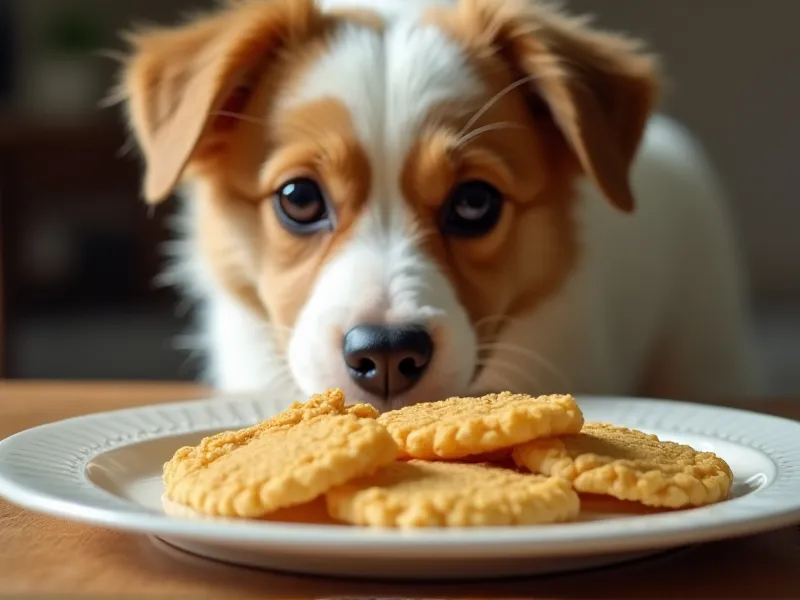
Table of Contents
- Introduction: The Rice Cake Dilemma
- Can Dogs Eat Rice Cakes? The Short Answer
- Potential Benefits of Rice Cakes for Dogs
- Risks to Watch Out For
- How Much Rice Cake is Safe for Dogs?
- Healthier Alternatives to Rice Cakes
- FAQ: Your Rice Cake Questions Answered
- Conclusion: Moderation is Key
Picture this: You’re snacking on a plain rice cake, enjoying its satisfying crunch, when your dog trots over, tail thumping, nose twitching. “Can I have a bite?” their eyes seem to say. It’s a common scenario—rice cakes are everywhere, marketed as a “clean” snack for humans. But as a responsible pet parent, you pause. Are rice cakes safe for dogs? Could they offer any benefits, or are they just empty calories (or worse, harmful)?
In this post, we’ll break down the facts to help you decide whether to share your rice cake with your pup. Spoiler: The answer isn’t a simple “yes” or “no”—it depends on the type of rice cake, your dog’s size, and how much you offer. Let’s start with the basics.
Can Dogs Eat Rice Cakes? The Short Answer
Yes, dogs can eat plain, unsalted, unflavored rice cakes in small, occasional amounts.
Rice itself is a staple in many dog foods and is often recommended by vets for dogs with sensitive stomachs (think: the classic “boiled chicken and rice” diet). Rice cakes, made from puffed rice, are essentially a lighter, crunchier version of cooked rice—so in their simplest form, they’re not toxic.
But here’s the catch: Not all rice cakes are created equal. Flavored, sweetened, or salted varieties can pose risks, and even plain ones should be given sparingly. Let’s explore why.
Potential Benefits of Rice Cakes for Dogs
While rice cakes aren’t a nutritional powerhouse, plain, whole-grain versions can offer some perks when given in moderation. Here’s what to love:
1. Easy to Digest (Great for Sensitive Stomachs)
Rice is a gentle, low-fiber carbohydrate that’s easy on dogs’ digestive systems. If your pup has an upset stomach, vets often recommend plain white or brown rice to soothe irritation. Rice cakes, made from puffed rice, are similarly mild—no added fats, spices, or chemicals to upset tummies. Just make sure the rice cake is plain (no salt, sugar, or flavorings) to avoid undoing the benefits.
2. Low in Calories (Good for Weight Management)
Plain rice cakes are low in calories (around 35–45 calories per cake, depending on size). If your dog is watching their weight, swapping high-calorie treats (like cheese or jerky) for a small piece of plain rice cake can help keep calories in check. Just don’t overdo it—empty calories can still add up!
3. Gluten-Free (Safe for Dogs with Wheat Allergies)
Many dogs suffer from wheat allergies or sensitivities, which can cause itchy skin, ear infections, or digestive issues. Rice cakes are naturally gluten-free (as long as they’re made with 100% rice and no cross-contamination), making them a safe alternative to wheat-based snacks like crackers or bread.
4. A Crunchy Distraction (Mental Stimulation)
Dogs love texture! The satisfying crunch of a rice cake can keep your pup occupied for a minute, especially if you stuff a tiny piece with a dollop of plain yogurt or mashed banana (more on safe toppings later). It’s not a substitute for puzzle toys, but it can be a fun, low-effort treat.
Risks to Watch Out For
While plain rice cakes are generally safe, they’re far from risk-free. Here are the biggest dangers to avoid:
1. Added Sugars, Flavors, or Toxic Ingredients
Most rice cakes on store shelves aren’t plain. They’re loaded with sugar, honey, cinnamon, chocolate, or artificial flavors—all of which are bad news for dogs.
- Sugar: Excess sugar leads to obesity, dental decay, and even diabetes in dogs.
- Chocolate: Even a small amount of chocolate (found in “chocolate-dipped” rice cakes) is toxic to dogs, as it contains theobromine.
- Xylitol: Some sugar-free rice cakes use xylitol, an artificial sweetener that’s extremely toxic to dogs (it causes a dangerous drop in blood sugar and liver failure). Always check the label!
2. High Sodium (Hidden Salt is a Problem)
Savory rice cakes (like “sour cream and onion” or “sea salt”) are often high in sodium. Dogs need only a tiny amount of salt in their diet—too much can lead to dehydration, electrolyte imbalances, or even sodium ion poisoning (symptoms include vomiting, diarrhea, seizures, and in severe cases, death).
3. Choking Hazard (Especially for Small Dogs)
Rice cakes are dry and crumbly, which makes them a choking risk, especially for small breeds (like Chihuahuas or Yorkies) or dogs who gulp treats without chewing. A large piece could get stuck in their throat, blocking their airway. Always break rice cakes into small, bite-sized pieces and supervise your dog while they eat.
4. Empty Calories (No Real Nutritional Value)
Even plain rice cakes are mostly carbs—no protein, healthy fats, or significant vitamins. Feeding too many can fill your dog up without providing the nutrients they need, leading to malnutrition over time. Think of rice cakes as “junk food” for dogs: okay as an occasional snack, but not a meal replacement.
5. Stomach Upset (From Too Much Fiber or Air)
Whole-grain rice cakes have slightly more fiber than white rice cakes. While fiber is good in moderation, too much can cause gas, bloating, or diarrhea—especially in dogs unaccustomed to high-fiber foods. Additionally, the “puffed” texture of rice cakes means they contain air, which can lead to stomach discomfort if your dog eats too much.
How Much Rice Cake is Safe for Dogs?
The golden rule: Treats should make up no more than 10% of your dog’s daily calories. For rice cakes, this translates to very small portions, depending on your dog’s size.
Here’s a general guideline:
- Small dogs (5–20 lbs): 1/4 to 1/2 of a plain, unsalted rice cake once a week (max).
- Medium dogs (20–50 lbs): 1/2 to 1 plain rice cake once a week.
- Large dogs (50+ lbs): 1 to 1.5 plain rice cakes once a week.
Never feed rice cakes daily, and always break them into small pieces to reduce choking risk. If your dog has health issues (like diabetes, obesity, or kidney disease), skip rice cakes altogether and ask your vet for safer treat options.
Healthier Alternatives to Rice Cakes
Rice cakes are okay in a pinch, but there are plenty of healthier, more nutrient-dense snacks your dog will love. Here are our top picks:
1. Cooked Plain Rice
Skip the rice cake and go straight to the source! Cooked white or brown rice is more digestible, has more fiber, and no risk of choking (since it’s soft). It’s also cheaper and easier to portion.
2. Fresh Fruits (No Seeds or Pits!)
- Apples: Remove the core and seeds (they contain cyanide), then slice. Apples are high in fiber and vitamin C.
- Blueberries: Packed with antioxidants—great for brain health!
- Bananas: A small slice is a sweet, potassium-rich treat (avoid overfeeding, as they’re high in sugar).
3. Crunchy Veggies
- Carrots: Low in calories, high in fiber and beta-carotene (good for eyesight).
- Green beans: Fresh or frozen (thawed) green beans are a crunchy, low-calorie snack.
- Cucumber: Hydrating and refreshing—perfect for hot days.
4. Plain Popcorn (Unsalted, Unbuttered)
Air-popped popcorn (no salt, butter, or oil) is a crunchy, low-calorie alternative to rice cakes. Just skip the microwave bags (they often have harmful chemicals).
5. Dog-Safe Peanut Butter (On a Spoon or Kong)
Look for unsalted, unsweetened peanut butter (no xylitol!). Spread a tiny bit on a spoon or stuff it in a Kong for mental stimulation. It’s high in protein and healthy fats.
FAQ: Your Rice Cake Questions Answered
Q: Can puppies eat rice cakes?
A: Puppies have sensitive digestive systems and need nutrient-dense food to grow. While a tiny piece of plain rice cake won’t hurt, it’s better to stick to puppy-safe treats (like small pieces of cooked chicken or blueberries) that support their development.
Q: Are brown rice cakes better than white rice cakes for dogs?
A: Brown rice cakes have slightly more fiber and nutrients (like B vitamins and magnesium) than white rice cakes. However, they’re also more likely to cause stomach upset in sensitive dogs. Either is fine in small amounts, but plain white rice cakes are gentler for pups with digestion issues.
Q: My dog ate a flavored rice cake—should I panic?
A: It depends on the flavor. If it contained chocolate, xylitol, or raisins (all toxic), call your vet or the ASPCA Poison Control Center (888-426-4435) immediately. If it was just salted or sugary, monitor your dog for symptoms like vomiting, diarrhea, or excessive thirst. Most dogs will be okay, but contact your vet if you notice anything unusual.
Q: Can rice cakes help with my dog’s diarrhea?
A: Plain, cooked rice is a classic remedy for diarrhea, but rice cakes aren’t as effective. The dry, puffed texture can be hard on an upset stomach, and the added air might worsen bloating. Stick to cooked rice instead.
Q: Are rice cakes safe for dogs with kidney disease?
A: Dogs with kidney disease need to limit sodium and phosphorus. While plain rice cakes are low in phosphorus, they’re often processed in facilities that handle salty snacks (cross-contamination risk). It’s safer to avoid them and ask your vet for kidney-friendly treats.
Conclusion: Moderation is Key
So, can dogs eat rice cakes? Yes—but only plain, unsalted, unflavored ones, and only as an occasional treat. They’re not a substitute for nutrient-rich foods, but a tiny piece now and then won’t hurt most healthy dogs.
Remember: The best treats for your pup are those that offer real nutritional value, like fresh fruits, veggies, or lean proteins. When in doubt, check the label (avoid sugar, salt, and toxic ingredients) and always consult your vet before introducing new foods—especially if your dog has health issues.
At the end of the day, sharing a small piece of plain rice cake with your dog is a sweet gesture (and they’ll love the crunch!). Just keep it rare, keep it simple, and keep those tail wags coming.
References: ASPCA (2023), PetMD (2023), American College of Veterinary Nutrition (2022)