· 9 min read
Can Dogs Eat Pork Rib Meat? A Pet Parent’s Guide to Safe Sharing
It’s Sunday afternoon, and the air is thick with the aroma of slow-cooked pork ribs—smoky, tender, and slathered in (your favorite) sauce. As you sink your teeth into a juicy rib, you feel a wet nose nudge your hand. Looking down, you meet your dog’s soulful eyes, tail thumping a rapid rhythm against the floor. “Just a little taste?” they seem to beg.
If you’ve ever found yourself in this scenario, you’re not alone. Pork ribs are a beloved human treat, but when it comes to our furry friends, the question lingers: Can dogs eat pork rib meat?
In this guide, we’ll break down the facts—from the potential benefits of sharing a tiny bite to the risks you need to avoid. By the end, you’ll know exactly how to handle that puppy-eyed plea (and maybe even have some healthier alternatives up your sleeve).
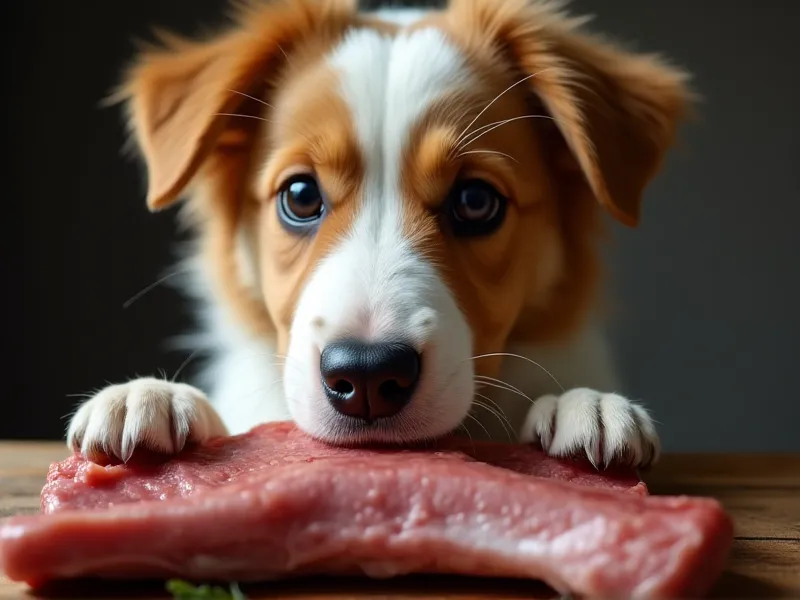
Table of Contents
- Can Dogs Eat Pork Rib Meat? The Short Answer
- The Benefits of Pork Rib Meat for Dogs (When Served Safely)
- The Risks: What Pet Parents Need to Watch For
- Safe Serving Guidelines: How to Share Responsibly
- Healthier Alternatives to Pork Rib Meat
- FAQ: Your Pork Rib Meat Questions Answered
- Conclusion: Love Them Enough to Be Cautious
Can Dogs Eat Pork Rib Meat? The Short Answer
Yes, but with major caveats.
Plain, unseasoned, boneless pork rib meat can be safe for dogs in very small amounts. It’s a source of protein and key nutrients, making it a tasty occasional treat. However, the risks—like choking hazards, fatty meat, and toxic seasonings—often outweigh the benefits.
The bottom line: Pork rib meat isn’t inherently toxic, but it’s far from ideal. To keep your pup safe, you’ll need to be extremely careful with preparation and portion size.
The Benefits of Pork Rib Meat for Dogs (When Served Safely)
Let’s start with the good news: Pork rib meat, when prepared correctly, does offer some nutritional perks. Here’s what makes it (potentially) a decent treat:
1. Protein: Building Blocks for Strong Muscles
Pork is a high-quality source of animal protein, which is essential for dogs. Protein supports muscle growth, repairs tissues, and keeps their coat and skin healthy. A small serving of lean pork rib meat can give your dog a boost of this vital nutrient—just be sure to trim excess fat first (more on that later!).
2. Essential Vitamins and Minerals
Pork rib meat is packed with nutrients that support your dog’s overall health, including:
- B Vitamins (B12, Niacin): B12 aids in nerve function and energy production, while niacin (B3) supports digestion and skin health.
- Zinc: Critical for a strong immune system, healthy skin, and wound healing.
- Selenium: An antioxidant that protects cells from damage and supports thyroid function.
- Potassium: Helps regulate heart rate and muscle function (though pork isn’t the best source of potassium—more on alternatives later!).
3. A Tasty Treat for Picky Eaters
Let’s be real: Dogs love meat. If your pup turns up their nose at commercial treats, a tiny piece of unseasoned pork rib meat might be just the thing to get them excited. Think of it as a “special occasion” snack—like a doggy version of your favorite dessert.
The Risks: What Pet Parents Need to Watch For
Now, the not-so-good news: Pork rib meat comes with some serious risks, even when you think you’re being careful. Let’s break them down.
1. Choking Hazards (Even Without Bones!)
The biggest danger isn’t the meat itself—it’s the bones. Pork rib bones (cooked or raw) are small, brittle, and prone to splintering. When chewed, they can break into sharp shards that lodge in your dog’s throat, esophagus, or intestines. This can cause choking, internal bleeding, or a life-threatening blockage.
Even if you “remove the bones,” tiny fragments might cling to the meat. Always inspect rib meat closely before sharing—no exceptions.
2. Fatty Meat and Pancreatitis Risk
Pork ribs are notoriously fatty, and too much fat is dangerous for dogs. High-fat foods can trigger pancreatitis—an inflammation of the pancreas that causes severe abdominal pain, vomiting, diarrhea, and even organ failure. Small dogs, overweight dogs, and breeds prone to pancreatitis (like Miniature Schnauzers) are especially at risk.
Even a “small” piece of fatty rib meat can be too much. Always trim visible fat from the meat before considering sharing.
3. Toxic Seasonings and Sauces
Most pork ribs are seasoned with ingredients that are toxic to dogs, including:
- Garlic/Onion: These contain compounds that damage red blood cells, leading to anemia (even in small amounts).
- Salt: Excess salt causes dehydration, electrolyte imbalances, or sodium ion poisoning (symptoms: vomiting, diarrhea, seizures).
- Sugar/Artificial Sweeteners: BBQ sauces, honey glazes, or ketchup are loaded with sugar, which can lead to obesity, diabetes, or dental issues. Xylitol (a sugar substitute) is extremely toxic and can cause liver failure.
- Spices: Chili powder, paprika, or other spices can irritate your dog’s stomach, leading to vomiting or diarrhea.
4. Bacterial Concerns (Raw or Undercooked Pork)
Raw or undercooked pork carries the risk of trichinosis—a parasitic infection caused by Trichinella spiralis worms. While rare in commercial pork (thanks to modern farming practices), it’s still possible. Symptoms include muscle pain, fever, and swelling. Always cook pork thoroughly (to an internal temperature of 145°F/63°C) before sharing.
Safe Serving Guidelines: How to Share Pork Rib Meat Responsibly
If you still want to share a tiny bite of pork rib meat with your dog, follow these strict rules to minimize risk:
Step 1: Remove All Bones (No Exceptions!)
This can’t be overstated: Bones are non-negotiable. Use a sharp knife to separate the meat from the bone, then inspect the meat for any remaining fragments. Even a small sliver can be dangerous.
Step 2: Trim the Fat
Cut away all visible fat. The leaner the meat, the lower the risk of pancreatitis or stomach upset. Pork rib meat is naturally fatty, so you may end up with only a small amount of lean meat left—that’s okay.
Step 3: Skip the Seasoning
No sauce, no spices, no salt. Serve the meat plain, with no added ingredients. Even a “little” BBQ sauce can contain garlic or sugar, which is unsafe.
Step 4: Keep Portions Tiny
Pork rib meat should be an occasional treat, not a meal. A good rule of thumb:
- Small dogs (under 20 lbs): 1–2 bite-sized pieces (about the size of a pea or dime).
- Medium dogs (20–50 lbs): 2–3 bite-sized pieces.
- Large dogs (50+ lbs): 3–4 bite-sized pieces.
Never exceed 10% of your dog’s daily calorie intake with treats (this includes rib meat!).
Step 5: Introduce Slowly and Monitor
If it’s your dog’s first time trying pork, start with an even smaller portion. Watch for 24 hours for signs of stomach upset: vomiting, diarrhea, lethargy, or loss of appetite. If you notice any of these, contact your vet.
Healthier Alternatives to Pork Rib Meat
Let’s be honest: Pork rib meat is more trouble than it’s worth for most dogs. Luckily, there are plenty of safer, more nutritious treats to share. Here are our top picks:
1. Lean Pork Cuts (Better Than Ribs!)
If you love sharing pork, opt for leaner cuts like pork loin or tenderloin. These are lower in fat, easier to digest, and less likely to cause pancreatitis. Serve them plain, cooked, and boneless—same rules as rib meat, but with fewer risks.
2. Chicken or Turkey: Lean Protein Powerhouses
Chicken and turkey breast are go-to alternatives. They’re lean, high in protein, and easy to prepare. Boil a plain chicken breast, dice it, and freeze for quick treats. Bonus: They’re usually cheaper than ribs!
3. Fish: Omega-3 Rich Options
Salmon, sardines, or mackerel (cooked, no bones) are packed with omega-3 fatty acids, which support skin, coat, and joint health. Just be sure to avoid fish with bones or added salt.
4. Veggies and Fruits: Nutritious Add-Ins
For low-calorie, fiber-rich treats, try:
- Sweet potatoes: Cooked, mashed, or diced (great source of potassium and fiber!).
- Green beans: Raw or steamed (crunchy and full of vitamins).
- Blueberries: A antioxidant-rich snack (dogs love their sweetness!).
FAQ: Your Pork Rib Meat Questions Answered
Q: Can dogs eat pork rib bones?
A: No. Cooked or raw, pork rib bones are dangerous. They splinter easily and can cause choking, internal tears, or blockages. Always dispose of bones in a secure trash can (away from your dog’s reach!).
Q: What if my dog accidentally ate a rib bone?
A: Don’t panic, but act fast. Contact your vet immediately. Symptoms to watch for include gagging, difficulty breathing, vomiting (especially with blood), diarrhea, or lethargy. Your vet may recommend monitoring at home or an emergency visit, depending on the bone size and your dog’s symptoms.
Q: Is it okay to feed my dog leftover BBQ ribs?
A: No. BBQ ribs are seasoned with sauce (high in sugar, salt, and often garlic/onion), and the meat is fatty. Even if you remove the bones, the seasoning and fat make them unsafe.
Q: Can puppies or senior dogs eat pork rib meat?
A: Puppies have sensitive stomachs, and senior dogs may have underlying health issues (like pancreatitis or kidney disease). It’s best to avoid rib meat altogether for these groups. Stick to vet-approved puppy or senior treats instead.
Q: How often can I give my dog pork rib meat?
A: Ideally, never. But if you do share a tiny bite, limit it to once every few months (as a “special occasion” treat). There are safer options for regular treats.
Conclusion: Love Them Enough to Be Cautious
At the end of the day, that puppy-eyed stare is hard to resist. But when it comes to pork rib meat, the risks often outweigh the rewards. While a tiny, plain, boneless, fat-free piece is technically safe for some dogs, there are far healthier treats to share.
If you’re unsure whether pork rib meat is right for your dog (especially if they have health issues like pancreatitis or obesity), consult your vet first. They can help you choose treats that fit your dog’s unique needs.
Remember: The best way to show your love is to keep them safe. So next time you’re enjoying ribs, save the meat for yourself—and reach for a dog-safe snack (like a piece of cooked chicken or a blueberry) for your furry friend. They’ll wag their tail just as hard, we promise!
References
- American Kennel Club (AKC). “Can Dogs Eat Pork?” akc.org
- ASPCA. “People Foods to Avoid Feeding Your Pets.” aspca.org
- PetMD. “Pancreatitis in Dogs.” petmd.com
- Veterinary Centers of America (VCA). “Nutrition for Dogs.” vcahospitals.com