· 8 min read
Can Dogs Eat Hot Cheetos? The Spicy Truth Pet Parents Need to Know
Picture this: You’re curled up on the couch, mid-movie, hand deep in a bag of Hot Cheetos. The air smells like tangy cheese and chili, and every crunch is satisfying. Then, you feel a wet nose nudge your hand. You look down to see your dog, tail wagging, eyes wide and hopeful, as if to say, “Share the love?”
It’s a scenario many pet parents face: our dogs are curious creatures, and they’ll beg for just about anything we’re eating—even the spicy, neon-red snacks we can’t resist. But before you toss them a Cheeto (we’ve all thought about it!), there’s a crucial question to answer: Can dogs eat Hot Cheetos?
Spoiler: The answer isn’t a simple “yes” or “no.” To keep your pup safe, we’re breaking down the risks, the (minimal) potential benefits, and what to do if your dog sneaks a bite. Let’s dive in.
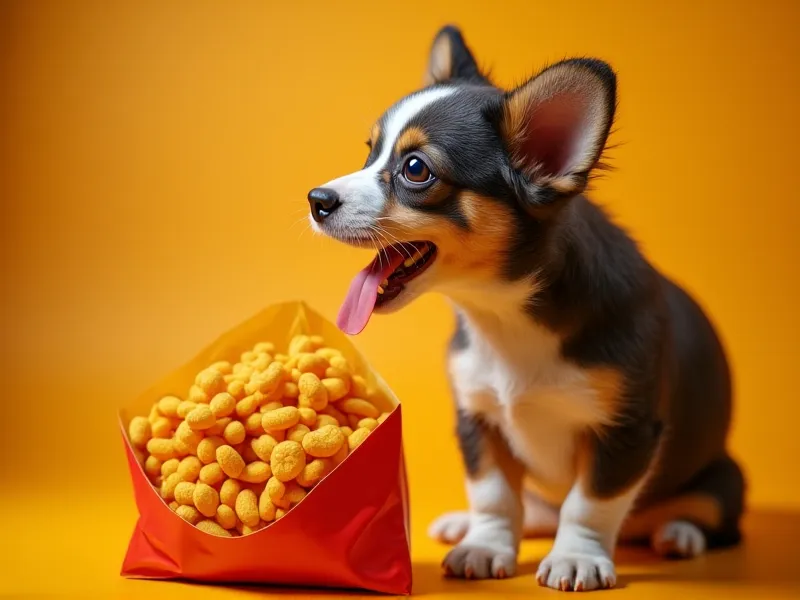
Table of Contents
- Can Dogs Eat Hot Cheetos? The Short Answer
- Potential “Benefits”: Are There Any?
- The Risks: Why Hot Cheetos Are a No-Go for Dogs
- High Sodium: A Hidden Danger
- Fat Overload: Pancreatitis Risk
- Spices and Capsaicin: Irritation and Discomfort
- Artificial Ingredients: More Harm Than Good
- Choking Hazard: Crunchy, Small, and Risky
- How Much Hot Cheeto Is “Safe” for Dogs?
- Healthier Alternatives to Hot Cheetos
- FAQ: Your Burning Questions Answered
- Conclusion: Keep the Crunch, Lose the Risk
Can Dogs Eat Hot Cheetos? The Short Answer
No, dogs should not eat Hot Cheetos—ever.
While a single accidental crumb might not send your pup to the ER, intentionally feeding Hot Cheetos (or any Cheetos) to your dog is a bad idea. These spicy, crunchy snacks are packed with ingredients that can harm your dog’s health, from excess salt and fat to artificial additives and spices. Let’s break down why.
Potential “Benefits”: Are There Any?
Let’s be real: Hot Cheetos aren’t exactly a health food for humans, and they’re even worse for dogs. But for the sake of thoroughness, could there possibly be a silver lining?
- Minimal Fiber: Hot Cheetos are made from cornmeal, which contains trace amounts of fiber. But “trace” is the key word here—your dog would need to eat an unsafe amount to get any meaningful fiber boost.
- Tiny Nutrients: Cornmeal has small amounts of B vitamins and iron, but again, the risks of feeding Hot Cheetos far outweigh these negligible benefits.
In short: There’s no nutritional reason to share Hot Cheetos with your dog. Save the snacks for foods that actually support their health!
The Risks: Why Hot Cheetos Are a No-Go for Dogs
Now, let’s get to the important part: the dangers. Hot Cheetos are a perfect storm of ingredients that spell trouble for dogs. Here’s what you need to watch out for:
1. High Sodium: A Recipe for Dehydration and Kidney Stress
Dogs need salt to survive, but way less than humans. According to the VCA Hospitals, a healthy dog only needs about 0.25 grams of sodium per pound of body weight per day. Now, consider this: A single serving (1 ounce) of Hot Cheetos contains 390 mg of sodium—that’s more than the daily recommended amount for a 15-pound dog!
Too much salt can lead to:
- Extreme thirst and urination
- Dehydration
- Sodium ion poisoning (symptoms: vomiting, diarrhea, tremors, seizures, even death in severe cases).
2. High Fat: Pancreatitis Waiting to Happen
Hot Cheetos are fried, which means they’re loaded with fat. A 1-ounce serving has about 11 grams of fat—more than many dogs should eat in a day.
Why does this matter? Dogs’ pancreases are sensitive to high-fat foods. When they eat too much fat, their pancreas can become inflamed (a condition called pancreatitis). Symptoms include vomiting, diarrhea, abdominal pain, and lethargy—and severe cases can be life-threatening.
Pancreatitis is no joke: Treatment often requires hospitalization, IV fluids, and pain meds. Save your pup (and your wallet!) by skipping the fatty snacks.
3. Spices and Capsaicin: Irritation from Nose to Tail
Hot Cheetos get their “heat” from chili powder, which contains capsaicin. While humans love that spicy kick, capsaicin is an irritant for dogs.
- Mouth and Throat: Capsaicin can burn your dog’s mouth, gums, and throat, leading to drooling, pawing at the face, or difficulty swallowing.
- Stomach and Intestines: It can also irritate the digestive tract, causing vomiting, diarrhea, or stomach cramps.
Dogs have fewer taste buds than humans, so they don’t “taste” the spice—they just feel the burn. Not fun for anyone!
4. Artificial Ingredients: Chemicals That Don’t Belong in Dog Food
Flip the bag of Hot Cheetos, and you’ll see a long list of artificial colors, flavors, and preservatives: Red 40, Yellow 6, monosodium glutamate (MSG), and more.
- Artificial Colors: The FDA has linked some artificial dyes (like Red 40) to hyperactivity in children, and while research on dogs is limited, many vets advise avoiding them due to potential long-term health risks.
- MSG: This flavor enhancer can cause headaches, nausea, and dizziness in humans—and while dogs may not react the same way, it’s an unnecessary additive that offers no nutritional value.
5. Choking Hazard: Crunchy, Small, and Easy to Gulp
Hot Cheetos are small, dry, and crunchy—perfect for a dog to gulp down without chewing. This makes them a choking risk, especially for small breeds or dogs who eat too fast. Even if they don’t choke, large pieces can get stuck in the esophagus or intestines, leading to a blockage (which often requires surgery to fix).
How Much Hot Cheeto Is “Safe” for Dogs?
The short answer: None.
Accidents happen—if your dog snatches a single crumb off the floor, they’ll probably be fine. Monitor them for 24 hours for signs of stomach upset (vomiting, diarrhea) or discomfort, but don’t panic.
But if your dog eats a handful (or more), call your vet immediately. Symptoms like excessive thirst, vomiting, or lethargy could signal salt toxicity or pancreatitis, which need urgent care.
Healthier Alternatives to Hot Cheetos
Just because Hot Cheetos are off the table doesn’t mean your dog can’t enjoy a crunchy, tasty snack! Here are 5 vet-approved alternatives that are safe, nutritious, and satisfying:
1. Carrot Sticks
- Why it’s great: Low in calories, high in fiber and vitamin A (good for eyesight!). The crunch satisfies that “chewing urge” without the salt or spice.
- Pro tip: Slice into thin sticks for small dogs, or leave whole (washed!) for larger pups.
2. Apple Slices (No Seeds!)
- Why it’s great: Crunchy, sweet, and packed with fiber and vitamin C. Just remove the seeds (they contain trace amounts of cyanide, which is toxic in large doses) and core.
3. Plain Air-Popped Popcorn
- Why it’s great: Whole-grain, low-calorie, and fun to share. Skip the butter, salt, and cheese—plain popcorn is the way to go.
4. Sweet Potato Chews
- Why it’s great: Baked sweet potato slices are chewy, naturally sweet, and loaded with beta-carotene (supports immune health). You can even dehydrate them for a longer-lasting treat!
5. Plain Rice Cakes
- Why it’s great: Light, crunchy, and low in calories. Look for unsalted, unflavored varieties—they’re like “dog-safe crackers”!
FAQ: Your Burning Questions Answered
Q: My dog ate a Hot Cheeto—should I rush to the vet?
A: If it’s just one small piece, probably not. Monitor them for 24 hours for vomiting, diarrhea, or lethargy. If they ate more than a bite (or if you notice symptoms), call your vet.
Q: What about regular Cheetos (non-hot)? Are they safer?
A: No. Regular Cheetos still have high sodium, fat, and artificial ingredients. They’re just as bad for dogs—they’re just missing the capsaicin.
Q: My dog loves spicy food and begs nonstop. What should I do?
A: Dogs don’t actually “taste” spice—they’re attracted to the smell or crunch. Offer a safe alternative (like a carrot stick) when they beg, and ignore the begging behavior (rewarding it teaches them to keep doing it!).
Q: Are there any human spicy snacks that are safe for dogs?
A: No. Spicy foods (chips, salsa, hot sauce) all contain capsaicin, which irritates dogs’ digestive systems. Stick to dog-safe treats!
Q: Can puppies eat Hot Cheetos?
A: Puppies have even more sensitive stomachs than adult dogs. A single Hot Cheeto could cause diarrhea or stomach upset, so keep all spicy snacks far away!
Conclusion: Keep the Crunch, Lose the Risk
At the end of the day, sharing snacks with your dog is one of life’s little joys—but Hot Cheetos aren’t worth the risk. These spicy, salty treats offer no nutritional value and come with a long list of potential health hazards, from pancreatitis to sodium poisoning.
Instead, opt for safe, crunchy alternatives like carrots, apples, or sweet potato chews. Your dog will love the taste, and you’ll love knowing you’re keeping them healthy.
And if your dog ever sneaks a Hot Cheeto (or any questionable snack), don’t panic—just monitor them and call your vet if you notice any red flags. Your pup’s health is worth more than a moment of crunch!
References
- American Veterinary Medical Association (AVMA). “Pancreatitis in Dogs.” avma.org
- ASPCA Animal Poison Control. “Toxic and Non-Toxic Foods.” aspca.org
- VCA Hospitals. “Sodium in Dog Food: How Much Is Too Much?” vcahospitals.com
- PetMD. “Human Foods to Avoid Feeding Your Dog.” petmd.com