· 8 min read
Can Dogs Eat Hay? The Surprising Truth About This Common Farm Staple
Picture this: You’re tidying up the barn, prepping your garden, or even just setting up a fall-themed centerpiece with hay bales. Suddenly, your dog—ever the curious explorer—trots over, sniffs the hay, and before you can say “leave it,” they’ve plucked a strand and started munching. Panic sets in: Is hay safe for dogs? Should you rush them to the vet, or is this just harmless curiosity?
If you’ve ever found yourself asking, “Can dogs eat hay?” you’re not alone. Hay is everywhere—on farms, in gardens, even at petting zoos—and our pups are naturally drawn to new textures and smells. In this post, we’ll break down the facts: whether hay is safe, its potential benefits, hidden risks, and healthier alternatives to keep your dog happy and healthy.
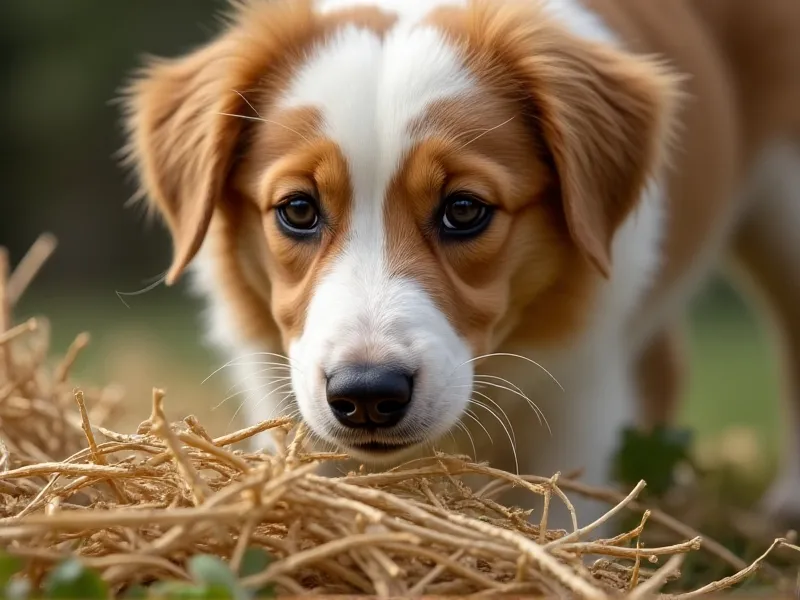
Table of Contents
- Can Dogs Eat Hay? The Short Answer
- Potential Benefits of Hay for Dogs
- Risks to Watch Out For
- How Much Hay Is Safe for Dogs?
- Healthier Alternatives to Hay
- FAQ: Your Hay Questions Answered
- Conclusion: Moderation is Key
Can Dogs Eat Hay? The Short Answer
Yes, dogs can eat small amounts of hay—but it’s not a necessary or recommended part of their diet. Think of hay as a “neutral” treat: it’s not toxic, but it doesn’t offer much nutritional value for dogs, either. Most vets agree that while a few strands here and there are unlikely to harm your pup, hay should never replace their regular food or even their go-to snacks.
That said, there are exceptions. Some dogs may benefit from tiny amounts of hay (e.g., for digestive support), while others could face risks like choking or stomach upset. Let’s dive into the details.
Potential Benefits of Hay for Dogs
While hay isn’t a superfood for dogs, it does have a few potential upsides—when fed in very small quantities. Here’s what you need to know:
1. Fiber for Digestive Health
Hay is primarily made of dried grass or legumes (like alfalfa), which means it’s rich in dietary fiber (specifically cellulose). Fiber helps keep things moving in the digestive tract, which can be helpful for dogs struggling with occasional constipation. For example, if your dog is prone to hard stools, a few strands of hay might act as a gentle “bulk laxative,” similar to how fiber works in humans.
Note: This is only a temporary fix, though. If your dog has chronic constipation, talk to your vet—they may recommend a high-fiber dog food or supplements instead.
2. Potassium for Muscle & Nerve Function
Hay also contains small amounts of potassium, an essential mineral that supports muscle contraction, nerve signaling, and heart health. Most dogs get plenty of potassium from their regular diet (think: meat, sweet potatoes, bananas), but a tiny boost from hay won’t hurt—again, in moderation.
3. Mental Stimulation (for Chewers)
Some dogs love to chew, and hay’s crunchy texture can provide a brief distraction or mental workout. This is especially true for puppies teething or dogs who get bored easily. Just be sure to supervise—we’ll cover the choking risk later!
Risks to Watch Out For
While hay isn’t toxic, it comes with some hidden dangers that pet parents need to be aware of. Here are the biggest risks:
1. Moldy Hay = Toxin Risk
Mold is the #1 danger with hay. When hay gets wet or stored improperly, it can grow mold (like Aspergillus), which produces harmful mycotoxins. Inhaling or ingesting moldy hay can cause:
- Respiratory issues (coughing, wheezing)
- Vomiting or diarrhea
- Lethargy
- In severe cases, liver or kidney damage
If you notice your hay has a musty smell, visible mold (white, green, or black spots), or feels damp, keep it far from your dog. Even a small bite of moldy hay can make them sick.
2. High Sugar Content (in Some Hays)
Not all hay is created equal. Alfalfa hay (a legume hay) is higher in sugar, calories, and protein than grass hays like timothy or Bermuda. For dogs with diabetes, obesity, or pancreatitis, alfalfa hay could spike blood sugar or lead to weight gain. Stick to grass hay if you’re going to offer any, and even then, keep portions tiny.
3. Choking or Intestinal Blockage
Long, stringy hay strands can get stuck in your dog’s throat, causing choking—especially in small breeds or dogs who gulp their food. Worse, if they swallow large clumps, the hay could form a intestinal blockage, which is life-threatening and requires surgery. Symptoms of a blockage include vomiting, loss of appetite, and lethargy—if you see these, call your vet immediately.
4. Stomach Upset (Bloating, Gas, or Diarrhea)
Dogs’ digestive systems are designed to process animal protein, not large amounts of plant fiber. Too much hay can overwhelm their gut, leading to:
- Bloating (a serious condition in deep-chested breeds like Great Danes)
- Excessive gas
- Diarrhea or loose stools
Even “safe” grass hay can cause these issues if fed in excess.
How Much Hay Is Safe for Dogs?
The golden rule: Less is more. If you want to let your dog nibble hay (e.g., during a farm visit or while gardening), follow these guidelines:
- Small breeds (under 20 lbs): 1–2 tiny strands (think: the size of a toothpick)
- Medium breeds (20–50 lbs): 3–4 strands
- Large breeds (50+ lbs): A pinch (no more than a tablespoon-sized clump)
Never feed hay daily, and always supervise your dog while they’re near it. If they start gobbling it down, gently redirect them with a toy or treat.
When to avoid hay entirely:
- Puppies under 6 months (their digestive systems are still developing)
- Dogs with a history of choking or intestinal blockages
- Dogs with diabetes, obesity, or pancreatitis
- Dogs with allergies to grass (some may react to hay’s pollen)
Healthier Alternatives to Hay
If you want to give your dog a fiber-rich or chewy treat, there are much safer options than hay. Here are vet-recommended alternatives:
1. Pumpkin (Canned, Unsweetened)
Pumpkin is a fiber superstar! It’s high in soluble fiber (which helps with both constipation and diarrhea) and low in calories. Serve 1–2 tablespoons (depending on size) mixed into their food or frozen in ice cube trays as a treat.
2. Sweet Potatoes
Cooked, plain sweet potatoes are packed with fiber, vitamins A and C, and potassium—all without the risk of choking. Slice them into cubes or bake into chips for a crunchy snack.
3. Green Beans
Fresh or frozen green beans (no salt or butter!) are low-calorie, high-fiber, and perfect for dogs watching their weight. They’re also great for chewing!
4. Carrots
Crunchy, sweet, and full of beta-carotene, carrots are a classic dog favorite. They’re low in sugar and help clean teeth—win-win!
5. Apple Slices (No Seeds!)
Apples are a good source of fiber and vitamin C. Just remove the core and seeds (seeds contain small amounts of cyanide, which is toxic in large doses) and slice into wedges.
FAQ: Your Hay Questions Answered
Q: Is alfalfa hay safer than grass hay for dogs?
A: No—in fact, alfalfa hay is riskier. It’s higher in sugar, calories, and protein, which can cause weight gain or blood sugar spikes. Stick to grass hay (timothy, Bermuda) if you must offer hay, but even then, in tiny amounts.
Q: My dog ate a whole handful of hay—should I panic?
A: Not necessarily, but monitor them closely for 24 hours. Watch for vomiting, diarrhea, lethargy, or difficulty breathing. If any of these occur, call your vet. A large amount could cause a blockage, so better safe than sorry.
Q: Can hay help my dog with constipation?
A: Maybe, but pumpkin or psyllium husk (a fiber supplement) is more reliable. If your dog is constipated, talk to your vet first—they may recommend a high-fiber diet or stool softener instead of hay.
Q: Is hay safe for senior dogs?
A: Senior dogs are more prone to digestive issues, so it’s best to avoid hay. Their teeth may also be sensitive, increasing the choking risk. Opt for soft alternatives like pumpkin or mashed sweet potato.
Conclusion: Moderation is Key
So, can dogs eat hay? Yes, but it’s not something you need to add to their diet. A few strands here and there are unlikely to harm most dogs, but hay offers little nutritional value and comes with risks like choking, mold, and stomach upset.
Instead of hay, reach for safer, more nutritious treats like pumpkin, sweet potatoes, or carrots. And if you’re ever unsure whether a food is safe for your dog, always consult your vet. They know your pup’s health history and can give personalized advice.
At the end of the day, the best treat for your dog is your love and attention—but if they do sneak a hay strand during your next farm visit? Take a deep breath, monitor them, and stick to their regular, balanced diet.
Your dog’s belly (and your peace of mind) will thank you!
References
- American Kennel Club (AKC). “Can Dogs Eat Hay?” akc.org
- PetMD. “Safe and Unsafe Foods for Dogs.” petmd.com
- Cummings Veterinary Medical Center at Tufts University. “Dietary Fiber for Dogs.” tuftscvm.org
- VCA Animal Hospitals. “Mold Poisoning in Dogs.” vcahospitals.com